Rising vehicle costs and evolving technology by 2026 trends make extending your car’s lifespan more important than ever. Proactive maintenance is not just about avoiding breakdowns. It maximizes your investment and ensures reliability. Experts note many vehicles, like Toyotas, can last well over a decade with regular maintenance. You can realistically achieve triple car life. These 15 essential car maintenance tasks will secure your vehicle’s long-term health.
Key Takeaways
Change your engine oil and filter regularly. This keeps your engine clean and running well.
Check all your car’s fluids often. This includes transmission, brake, coolant, and power steering fluids.
Inspect your tires, battery, and brakes. These parts are important for your safety and your car’s performance.
Replace air filters, belts, and hoses when needed. This helps your engine work correctly and prevents breakdowns.
Follow a maintenance schedule and check your car daily. This helps you find problems early and makes your car last longer.
Essential Fluid Maintenance
Your car relies on various fluids to run smoothly and efficiently. Neglecting these vital liquids can lead to serious problems. Regular checks and timely changes are crucial for your engine’s health and overall vehicle performance. You can significantly extend your car’s life by paying close attention to these fluid maintenance tasks.
Engine Oil and Filter Change
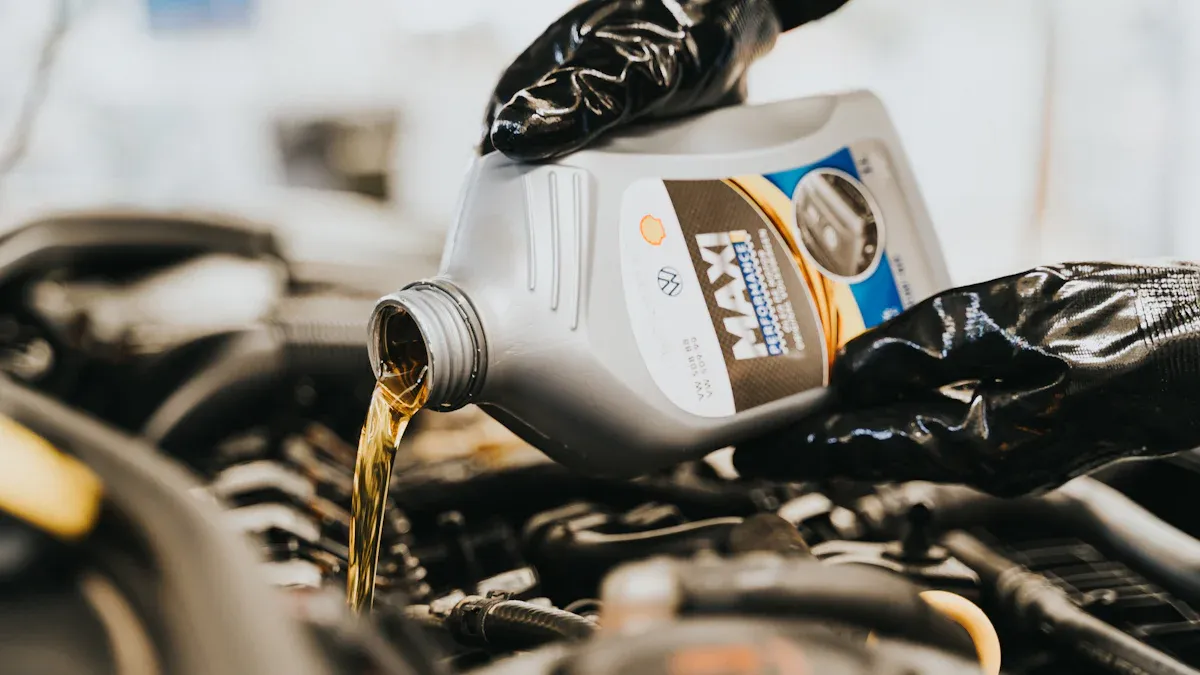
Engine oil is the lifeblood of your car’s engine. It lubricates moving parts, reduces friction, and helps cool the engine. Regular oil changes are perhaps the most critical maintenance task you perform. They prevent wear and tear. For many modern vehicles, especially those with advanced engine designs like turbocharging or direct injection, full synthetic oil is the best choice. European engines, in particular, benefit greatly from synthetic oils. These oils offer improved lubrication, keeping engine parts slick even at high temperatures. They also provide better stability, maintaining viscosity over longer periods. This protects your engine from wear and tear. Synthetic oils break down slower, allowing for longer intervals between changes. They also leave fewer deposits, keeping your engine cleaner.
You should follow your manufacturer’s recommendations for oil change intervals. For modern gasoline vehicles (2005 and newer) using full synthetic oils, you typically change the oil every 7,500 to 10,000 miles under normal driving. This applies to engines with features like turbocharging or hybrid powertrains. If your gasoline vehicle is from 2000 to 2015 and uses semi-synthetic oil, you change it every 5,000 to 7,500 miles. Diesel trucks also benefit from full synthetic diesel-rated oil, with intervals often around 7,500 miles for light-duty use.
Vehicle Model Year | Typical Engine Type | Recommended Oil Type | Typical Oil Change Interval |
|---|---|---|---|
2006–2015 | Turbocharged, direct injection, advanced VVT engines | Semi-Synthetic or Full Synthetic Oil | 5,000–10,000 miles |
2016–Present | Turbocharged, hybrid, direct injection, high-performance engines | Full Synthetic Oil | 7,500–10,000+ miles |
However, severe driving conditions shorten these intervals. If you often take short trips, drive aggressively, tow heavy loads, or drive in dusty environments, your oil degrades faster. For gasoline engines, even with synthetic oil, you should aim for 3,000 to 5,000 miles. For diesel engines, change the oil every 5,000 miles under severe use. Many modern vehicles also have onboard oil-life monitoring systems. These systems track your driving patterns and engine conditions. You should follow their recommendations first. Always replace the oil filter when you change the oil. A fresh filter ensures clean oil circulates through your engine.
Transmission Fluid Check
Your transmission fluid lubricates the transmission’s moving parts. It also cools the transmission and helps with gear changes. You should regularly check your transmission fluid level and condition. Healthy transmission fluid is usually bright red or pink. If you see it turn brown or black, it means the fluid is degrading or has contamination. This contamination can include dirt or metal particles. A burnt smell from the fluid also indicates overheating and breakdown.
Low or contaminated fluid causes several problems. You might experience gear slippage. This means your engine revs without the car speeding up. You might also notice rough or delayed shifting. Your car could jerk when changing gears. Fluid leaks are another sign. Reddish puddles under your vehicle indicate a leak. Even small leaks can lead to overheating or gear slippage. Insufficient lubrication from low fluid can cause grinding, whining, or clunking noises. These sounds come from internal components rubbing together. A timely inspection and fluid change can prevent costly transmission repairs. This helps maintain your vehicle’s overall efficiency.
Brake Fluid Condition
Brake fluid is essential for your car’s stopping power. It transfers the force from your brake pedal to the brake calipers. This makes your brakes engage. You must regularly check your brake fluid level and condition. Neglecting brake fluid maintenance has serious consequences. Moisture can build up in the fluid over time. This lowers the fluid’s boiling point. It can cause brake fade, which reduces braking effectiveness. This creates dangerous situations.
Moisture also causes corrosion inside your brake system. Rust can form on metal parts like brake lines and calipers. This weakens them and can lead to leaks or failures. Replacing corroded parts costs more than regular fluid maintenance. It also compromises your safety. Old or contaminated brake fluid reduces braking efficiency. Your car might take longer to stop. You might need to press the pedal harder. In the worst case, complete brake failure can happen. If fluid boils and air enters the system, your brake pedal might sink to the floor. This leaves you with no stopping power. This is a life-threatening situation.
Coolant System Care
Coolant, also known as antifreeze, keeps your engine from overheating or freezing. It circulates through the engine, absorbing heat. Then it releases that heat through the radiator. You should regularly check your coolant level. Make sure it is between the “min” and “max” lines when the engine is cool. You also need to check the coolant’s condition. It should be bright and clear, not rusty or murky.
Over time, coolant loses its effectiveness. It can become acidic and corrosive. This damages your engine’s cooling system components. A coolant flush removes old coolant and replaces it with fresh fluid. This protects your engine. The flush interval depends on the type of coolant your vehicle uses.
Coolant Type | Flush Interval (Years) | Flush Interval (Miles) |
|---|---|---|
Silicated Coolants | 2 | 30,000 |
Extended Drain | 5 | 100,000 |
Following these intervals ensures your engine stays at the right temperature. This helps maintain its efficiency and prevents costly damage.
Power Steering Fluid Levels
Power steering fluid makes turning your steering wheel easy. It helps the power steering pump operate smoothly. You should check your power steering fluid level regularly. Look for the reservoir under the hood. It usually has “Power Steering” written on it.
Low power steering fluid causes noticeable symptoms. You might find it difficult to turn the wheel. This is especially true during low-speed maneuvers like parking. The steering wheel might also make loud noises. You could hear a screeching sound from the steering wheel or under the hood. Reddish or light brown fluid spots under your vehicle indicate a leak. Addressing these issues quickly prevents further damage to your power steering system. This contributes to overall vehicle maintenance and a longer life for your car.
Key Component Inspection
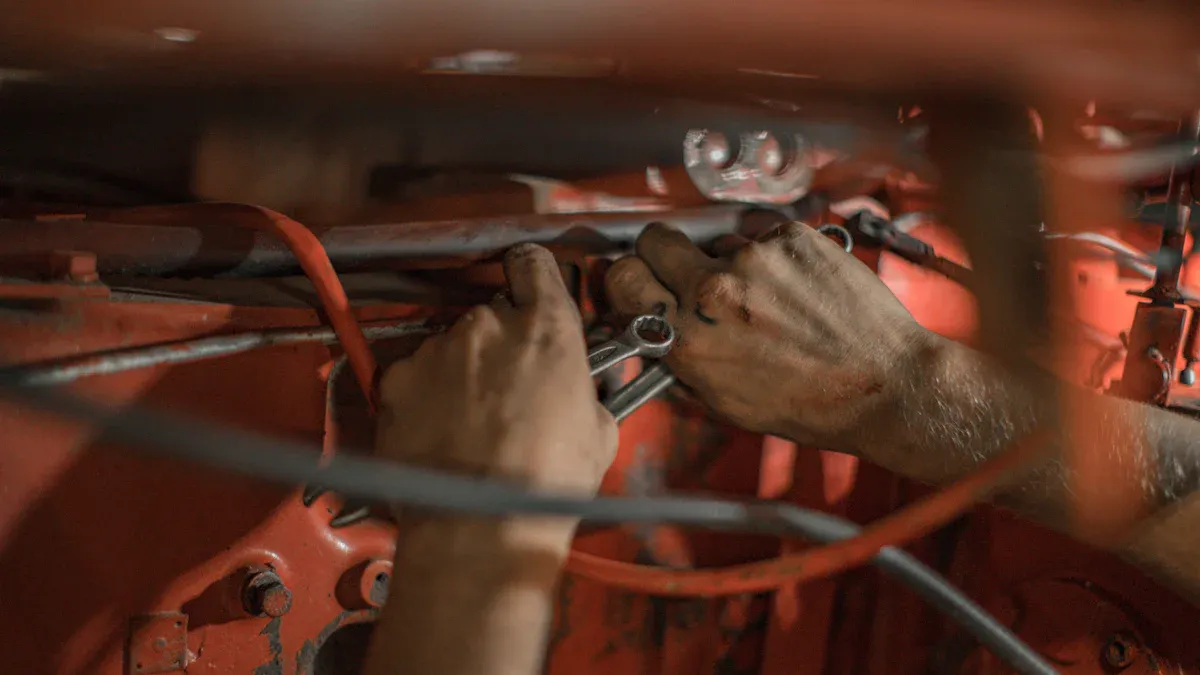
This section focuses on critical parts. They require regular inspection and timely replacement. This prevents major failures. Proper maintenance of these components ensures your car runs reliably. By 2026, many cars will have advanced driver-assistance systems (ADAS). You should also ensure these sensors, often located near your windshield or bumpers, stay clean for optimal function.
Tire Pressure and Rotation
You must regularly check your tires. Proper tire maintenance is vital for your car’s performance and safety. Incorrect tire pressure significantly impacts fuel efficiency. When tire pressure is too low, more of the tire’s surface area contacts the road. This increases rolling resistance. Your engine works harder, leading to higher fuel consumption. For every 1 PSI drop in pressure on all four tires, gas mileage decreases by 0.2%. If your vehicle‘s tires are underinflated by 10 PSI, you could lose up to 2% in gas mileage. This equals paying an extra 6 cents per gallon of gas. A study on a 2009 Toyota Corolla showed that with tires at 75% of recommended pressure, fuel economy reduced by about 2-3%. When tires were at 50% of recommended pressure, fuel economy was about 10% lower at 40 mph and 5% lower at 80 mph.
You should check your tire pressure at least once a month. Always check it when the tires are cold. Your car’s owner’s manual or a sticker on the driver’s side door jamb tells you the correct pressure. Tire rotation helps your tires wear evenly. This extends their lifespan. Follow your manufacturer’s recommended schedule for tire rotation. This is usually every 5,000 to 7,000 miles.
Tread Depth Inspection
Tread depth is crucial for traction and safety. It helps your vehicle grip the road, especially in wet conditions. The legal minimum tread depth for car tires in most US states is 2/32 of an inch (approximately 1.6 mm). However, some states have different requirements. You can easily check tread depth with a penny. Place a penny upside down into a tread groove. If you can see the top of Lincoln’s head, your tread is too shallow. You need new ones. Regular inspection of your tread depth prevents hydroplaning and ensures safe driving.
Battery Health and Terminals
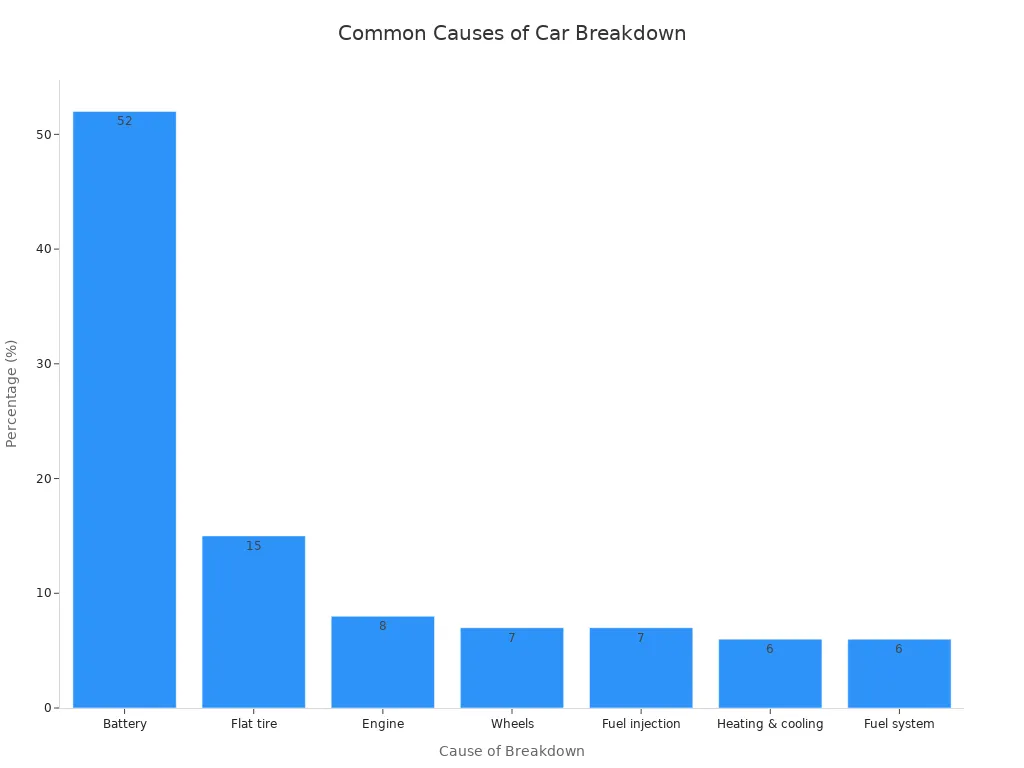
Your car’s battery provides the electrical power to start your engine and run all your accessories. Many things can cause battery failure. Driving habits, like short distances and heavy accessory use, often cause battery failure. These are not usually manufacturing defects. Low charge and acid stratification are common causes of apparent battery failure. This is especially true in luxury cars with many power-hungry auxiliary options. In Japan, cars often drive short distances in congested cities. Batteries there do not get fully charged, leading to sulfation. Acid stratification, where electrolyte concentrates at the bottom of the battery, reduces performance. It also promotes corrosion and sulfation.
You should regularly inspect your battery terminals. Look for corrosion, which appears as a white or bluish powdery substance. Clean corroded terminals with a wire brush and a baking soda solution. This ensures a good electrical connection. A weak battery can leave you stranded. A professional inspection can test your battery’s charge and overall health.
Cause of Breakdown | Percentage |
|---|---|
Battery | 52% |
Flat tire | 15% |
Engine | 8% |
Wheels | 7% |
Fuel injection | 7% |
Heating & cooling | 6% |
Fuel system | 6% |
Brake System Inspection
Your brakes are critical for your safety. A thorough brake system inspection is essential. You should listen for warning signs of worn brake pads. A squeaking or squealing noise is often caused by a small metal wear indicator. This indicator is built into the brake pads. It signals they are getting thin. You typically notice this high-pitched sound at low speeds. If it is consistent, it means you need an inspection. A grinding sound is a serious red flag. Grinding means the brake pad material has completely worn away. The metal backing plate scrapes against the rotors. This damages the rotors. It makes stopping less effective. It requires immediate attention. If the brake pedal feels soft or squishy, or if the car takes longer to slow down, your brake pads might be worn out. This indicates reduced responsiveness or fading.
You should also check your brake rotors for warping or deep grooves. These issues reduce braking efficiency. Your calipers should move freely. If they stick, they can cause uneven pad wear. A professional inspection of your entire brake system ensures everything works correctly. This prevents dangerous situations.
Air Filter Replacement
Your engine air filter keeps dirt, dust, and debris out of your engine. A clean air filter ensures your engine gets enough clean air for combustion. This maintains optimal performance and efficiency. You should replace your air filter every 12,000 to 15,000 miles (20,000-24,000 kilometers) or once a year. Always choose whichever comes first. You might need to replace it more often if you drive in dusty environments or near sandy areas. Always refer to your vehicle‘s owner’s manual for specific recommendations.
A dirty air filter restricts airflow to the engine. This reduces power and fuel economy. It can also cause your engine to run rich, leading to increased emissions. Regular inspection and replacement of your air filter are simple tasks. They significantly contribute to your car’s long-term health and performance.
Proactive Car Maintenance for Triple Car Life
You often overlook certain maintenance tasks. However, these tasks are crucial for your vehicle’s long-term health. They prevent small issues from becoming major problems. Addressing these areas proactively helps you achieve triple car life.
Belt and Hose Inspection
Your car’s belts and hoses are vital. They keep your engine running smoothly. Belts power accessories like the alternator, power steering pump, and air conditioning compressor. Hoses carry essential fluids such as coolant and brake fluid. You must regularly inspect these components.
Look for signs of wear on your serpentine belt.
Squeaking or squealing noises: This happens when the belt lacks enough tension. It can also mean pulleys are misaligned or weak.
Fraying: Visible fraying on the belt’s edges shows significant wear. This means a high risk of breakage.
Cracking: Belts develop cracks over time. Heating and cooling cycles cause these cracks. They can lead to failure.
Strange sounds, burnt rubber smell, or steam: Squeaking or chirping sounds, the smell of burnt rubber, or steam from the engine can indicate a failing belt.
Engine or battery warning lights: These dashboard lights can signal a problem with the serpentine belt.
Loss of power steering or AC: If these systems stop working, it strongly indicates a broken serpentine belt or tensioner.
Engine overheating: A failing serpentine belt can lead to the engine overheating.
Visual signs of wear: Cracks, splits, fraying, or glazed sides on the belt are clear indicators of wear. If the belt’s layers separate or chunks are missing when you twist it, you need to replace it.
You should also check hoses for bulges, cracks, or leaks. Squeeze them to feel for softness or hardness. A soft or mushy hose can burst. A hard, brittle hose can crack. Replace any worn belts or hoses promptly. This prevents unexpected breakdowns and costly repairs. This proactive inspection is a key step in extending your vehicle’s lifespan.
Spark Plug Maintenance
Spark plugs are small but mighty. They ignite the air-fuel mixture in your engine’s cylinders. This creates the power to move your car. Worn spark plugs can cause several problems. You might notice reduced fuel efficiency. Your engine could misfire or idle roughly. You might also have difficulty starting your car.
You should replace spark plugs according to your manufacturer’s recommendations. The type of spark plug affects its lifespan.
Spark Plug Type | Typical Lifespan (miles) |
|---|---|
Copper | 20,000 – 30,000 |
Platinum | 60,000 |
Iridium | Up to 100,000 |
Modern engines often use platinum or iridium plugs. These last much longer than traditional copper plugs. Regular spark plug maintenance ensures optimal engine performance. It also helps maintain good fuel economy.
Wiper Blades and Fluid
Clear visibility is essential for safe driving. Your wiper blades and washer fluid play a big role in this. You should regularly check your wiper blades. Look for signs of wear. These include streaking, chattering, or skipping across the windshield. The rubber might also look worn or torn.
Replace your wiper blades annually. You might need to replace them sooner if you live in harsh climates. Always keep your washer fluid reservoir full. Use a good quality washer fluid. It helps clean your windshield effectively. This simple maintenance task ensures you always have a clear view of the road.
Lighting System Check
Your car’s lighting system is crucial for safety. It helps you see the road. It also helps other drivers see your vehicle. You should regularly check all your lights. This includes headlights, taillights, turn signals, and brake lights. Also, check your interior lights.
Look for dim, flickering, or non-functional bulbs. Replace any burnt-out bulbs immediately. Ensure your headlights are properly aligned. Misaligned headlights can blind oncoming drivers. They can also reduce your visibility. A quick inspection of your lighting system keeps you safe on the road.
Chassis Lubrication and Rust Prevention
Your car’s chassis is its backbone. It supports the engine, transmission, and suspension. Proper lubrication and rust prevention are vital for its longevity.
Regular chassis lubrication offers many benefits:
It allows your vehicle to operate more efficiently and quietly.
It protects vital components from rust and wear.
It ensures a smooth and safe ride.
It keeps every part of your vehicle functioning at its best.
It reduces friction in the chassis, suspension, and other components.
It prevents rust and corrosion.
It ensures vehicle longevity and functionality.
You should lubricate grease fittings on suspension components. Your owner’s manual will show you where these are.
Rust prevention is equally important. Rust can weaken your car’s structure. It can lead to expensive repairs. Here are effective methods for preventing rust on your car’s undercarriage:
Apply anti-rust sprays and undercoatings: These create a protective barrier. They shield against moisture and corrosive elements. This is especially important for the undercarriage. Recommended products include WD-40 Specialist Long-Term Corrosion Inhibitor, 3M Rust Fighter-I, Rust-Oleum Undercoating, and Fluid Film.
Clean the surface to remove dirt and debris.
Apply the product evenly across all exposed metal.
Allow the product to dry thoroughly before driving. Reapply regularly for continuous protection.
Regular inspections: These are vital for early detection of rust.
DIY Checks: Regularly inspect wheel wells, undercarriage, and door edges for minor rust spots.
Professional Consultation: Seek professional help for extensive rust. Also, get help for issues in critical areas like your car’s frame.
Tools: Use a flashlight for hard-to-see areas. Use a magnifying glass for small rust spots.
Minimize exposure to harsh elements: This is crucial.
Storage: Parking in a garage or carport protects against rain, snow, and salty air.
Winter Precautions: Regularly clean your car to remove road salt and snow. Use a heavy-duty car cover or park indoors.
Summer Precautions: Protect your car from UV rays with a UV-resistant cover or shaded parking. This prevents paint weakening.
Effective rust prevention methods for car undercarriages also include:
Regular Washes: Especially in winter, wash your vehicle at least weekly. Focus on the undercarriage to remove road salt.
Anti-Rust Treatment: Apply undercoating sprays or rust-proofing treatments before winter. This creates a protective layer. Professional rust-proofing services are also recommended.
Clear Drainage Holes: Regularly check and clean drainage holes in the undercarriage. This prevents water and debris from accumulating.
Regular Inspections: Conduct periodic inspections with a flashlight. Catch rust spots early, particularly after winter.
Avoid Puddles and Mud: Steer clear of puddles (often containing road salt) and mud (which traps moisture). This reduces rust contributors.
This proactive inspection and care significantly extends your vehicle’s structural integrity. It directly contributes to achieving triple car life.
Comprehensive Maintenance Schedule
You need a practical schedule for all your car’s maintenance tasks. This includes daily, monthly, annual, and mileage-based checks. Never miss service deadlines. This ensures your vehicle’s long-term health.
Routine Checks and Habits
You should perform daily vehicle inspection. This is crucial for anyone operating a vehicle. You check essential components. These include brakes, tires, lights, mirrors, and fluid levels. Identifying minor issues early prevents major mechanical failures.
Brakes: Check for squishy pedals or low fluid levels.
Leaking fluids: Look for puddles or oily spots under your vehicle.
Loose parts: Inspect hoses and belts for cracks, bulges, or wear.
Tires: Check for cracks, bulges, cuts, or uneven tread.
Lights: Verify that headlights, taillights, turn signals, and emergency flashers work.
Under the Hood: Check oil levels and coolant temperature.
Steering: Inspect the power-steering system belt and fluid levels.
Engine: Regularly check oil levels, coolant conditions, and listen for unusual noises.
This regular upkeep helps you catch problems early.
Scheduled Service Intervals
Many car manufacturers recommend a maintenance schedule based on mileage. This is often called the 30-60-90 schedule. Certain items need inspection, changing, or replacement at 30,000, 60,000, and 90,000 miles. These milestones involve essential tasks. They include changing your oil, rotating your tires, and spark plug changes. As you reach higher milestones, more extensive components might need attention. This includes timing belts or transmission fluid changes.
0–30,000 miles: You should get an oil change and oil filter change every 5,000 miles. Rotate your tires every 10,000 miles. Change the engine air filter at 15,000 miles. Plan to replace brake pads around 20,000 miles.
30,000–60,000 miles: Change brake fluid and flush coolant at 30,000 miles. Inspect belts, valves, and hoses at 60,000 miles. Replace spark plugs and install new tires. Consider changing the battery.
100,000 miles and beyond: Add high-mileage coolants and spark plugs. Schedule a thorough inspection of the transmission and timing belt. This comprehensive maintenance ensures your vehicle lasts.
Leveraging 2026 Vehicle Diagnostics
Modern vehicles in 2026 come with advanced diagnostic systems. These systems monitor your car’s health. They alert you to potential issues. You can use these tools to stay ahead of problems. A professional inspection can interpret these diagnostic codes. This helps you address issues before they become serious. This proactive approach extends your car’s life.
Consistent, proactive maintenance transforms your vehicle’s lifespan and value. These 15 essential car maintenance tasks are a smart investment. They ensure reliability, safety, and long-term savings. You can achieve triple car life. Adopt these practices as a habit. Even small efforts contribute significantly to tripling your vehicle’s life by 2026 and beyond. Start implementing these car maintenance tasks today. This boosts your vehicle’s resale value.
FAQ
How often should I service my car?
You should follow your car’s owner’s manual. It provides specific intervals for oil changes, tire rotations, and other services. These schedules help maintain your vehicle’s health. This applies to gasoline cars and many EVs.
Can I perform some maintenance tasks myself?
Yes, you can do many simple checks. You can check fluid levels, tire pressure, and wiper blades. These tasks save you money. They also help you understand your car better. This is true for both traditional cars and some aspects of EVs.
What are the benefits of regular maintenance?
Regular maintenance extends your car’s life. It improves safety and fuel efficiency. It also prevents costly repairs. You will enjoy a more reliable ride. This is important for all vehicles, including EVs.
Does this advice apply to electric vehicles (EVs)?
Many tasks apply to EVs. You still need to check tires, brakes, and fluids like coolant. EVs have fewer moving parts than gasoline cars. They still require specific maintenance. You should follow the manufacturer’s guidelines for your EVs.
How do I know if my car needs professional attention?
You should look for warning lights on your dashboard. Listen for unusual noises. Notice changes in how your car drives. If you see any of these signs, seek professional help. This ensures your car, or your EVs, stays safe.