

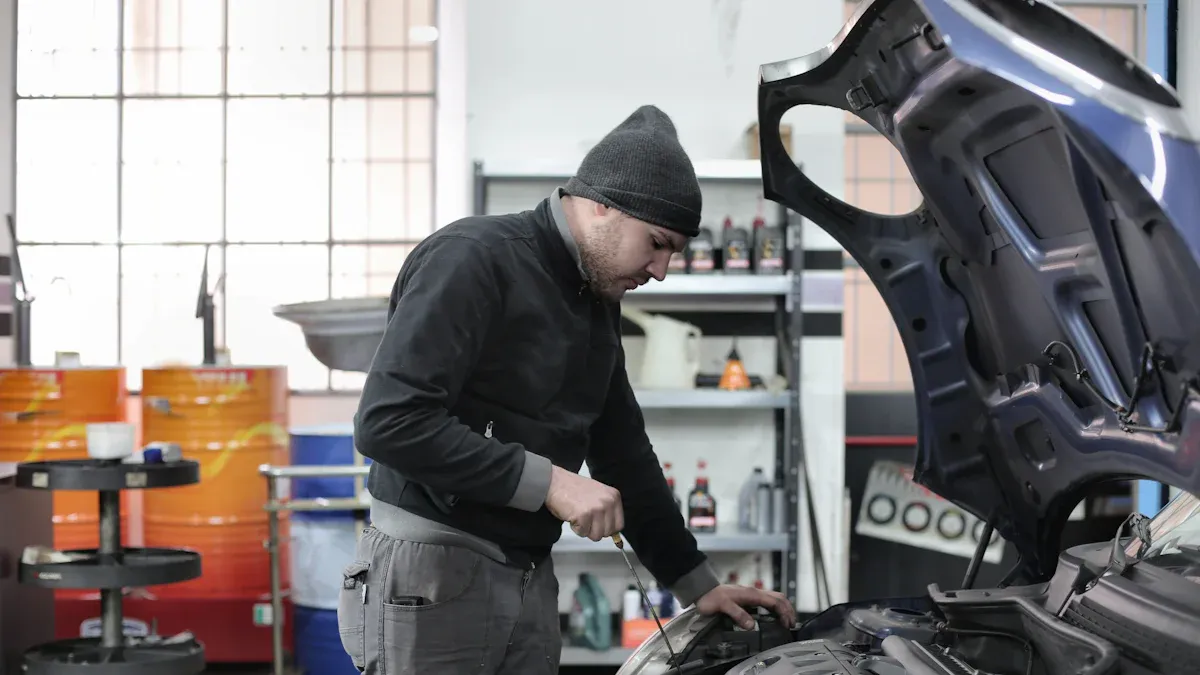
You know the frustration. Your vehicle pulls to one side. You checked your tires. You even had an alignment done. Yet, the problem persists. Steering drift means your vehicle does not hold a straight line without constant steering input. This affects your tires and creates a serious safety risk. Neglecting steering maintenance elevates accident risk. It reduces steering precision. You find it harder to stay in your lane. This blog uncovers 10 less obvious causes of steering drift. These go beyond typical alignment issues. Understanding these problems helps with accurate diagnosis. It ensures proper vehicle maintenance. Regular maintenance is key for steering safety.
Key Takeaways
Steering drift means your car does not drive straight. It makes you constantly turn the wheel. This can be unsafe.
Many things can cause steering drift. These include bad tires, worn parts in the car’s suspension, or brake problems. It is not always just about alignment.
Uneven tire wear, low tire pressure, or different tire sizes can make your car pull. Always check your tires often.
Worn parts like bushings, tie rod ends, or ball joints can make your steering loose. This makes your car hard to control.
If your car pulls to one side, a mechanic should check it. They can find hidden problems and fix them. This keeps you safe.
Uneven Tire Wear
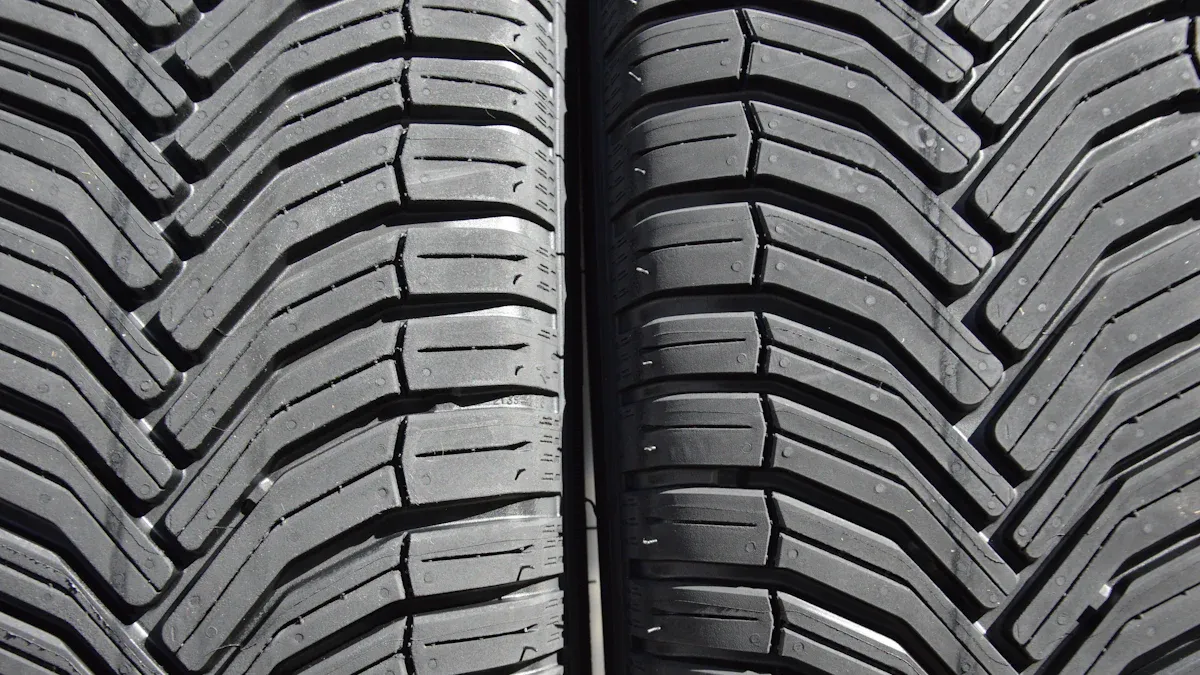
Uneven tire wear is a common culprit for steering drift. You might not notice it right away, but it significantly impacts your vehicle’s handling. This issue often leads to persistent steering problems.
Mismatched Tires
You might have different brands, sizes, or even tread depths on your tires. This creates an imbalance. For example, a larger tire on one side makes your vehicle pull towards the smaller one. Misaligned wheels, often caused by impacts like potholes, are a frequent reason for a car to drift. This misalignment results in uneven tire wear, which in turn causes steering instability and leads to the car pulling to one side. This issue can lead to serious steering problems. Addressing tire alignment troubles is key here.
Tire Pressure Imbalance
Even a small difference in tire pressure between your tires can cause your vehicle to pull. A low tire has more contact with the road, creating more drag. Your vehicle will pull towards that side. Regular tire maintenance includes checking pressure. This simple step prevents many steering issues and improves safety. Uneven tire wear can directly lead to a vehicle drifting. Maintaining even wear patterns through routine tire maintenance is crucial for proper handling and preventing this issue. This also enhances your safety on the road.
Look for specific wear patterns on your tires. Feathering means the tread is smooth on one side and sharp on the other. Cupping looks like scoops or dips in the tread. Tread separation means the tread is coming off the tire. These are clear signs of underlying problems that affect your steering and require proper alignment. Unbalanced tires also contribute to these problems, making your vehicle harder to control.
Worn Suspension Bushings
Worn suspension bushings are another hidden cause of steering drift. These small parts play a big role in how your vehicle handles. They cushion the connection points in your suspension system. When they wear out, they introduce play and instability. This makes your vehicle hard to keep straight.
Control Arm Bushings
Control arm bushings connect your control arms to your vehicle’s frame. They allow for smooth movement while keeping parts aligned. When these bushings wear out, they create problems. Worn control arm bushings lead to uneven tire wear. This happens because of suspension misalignment. You will notice erratic handling or steering. Your car feels less stable. It is harder to control, especially at higher speeds. This compromised vehicle handling increases safety risks. It makes it difficult to steer effectively. Worn bushings decrease your suspension system’s ability to maintain stability. This happens during turns or emergency braking. Regular suspension maintenance can prevent these issues.
Sway Bar Bushings
Sway bar bushings connect your sway bar to your vehicle’s frame. They help control body roll when you turn. When these bushings become worn, you will notice specific problems. You might feel increased play or looseness in the steering wheel. Your vehicle might show poor alignment. It can also pull to one side. You may experience a general “wandering” sensation at highway speeds. These suspension issues make your vehicle drift. They require constant steering corrections. Proper maintenance of your suspension components is vital. It ensures your vehicle’s stability and your safety on the road.
Brake Caliper Issues
Brake caliper problems can subtly cause your vehicle to drift. These issues often go unnoticed until the drift becomes significant. You need to understand how your brakes affect your steering.
Sticking Calipers
A sticking brake caliper creates significant steering problems. This happens when the brake on one wheel fails to release correctly. The brake pad stays in constant contact with the rotor. This creates continuous friction on that side. You will feel your vehicle pull strongly to the side with the sticking caliper. This imbalance of braking forces can be severe. It can cause your car to pull sharply. This can occur while you are driving normally. It can also happen when you apply the brakes. This constant drag not only causes drift but also generates excessive heat. This issue affects your control. It compromises your safety on the road. You might also notice a burning smell or reduced fuel efficiency. Regular inspection of your brake system is vital.
Uneven Pad Wear
Uneven brake pad wear also leads to steering drift. Many factors cause this problem. Your driving habits, like frequent heavy braking or sudden stops, can accelerate wear. Stop-and-go traffic or frequent hill descents also contribute to uneven patterns. Low-quality brake components may wear unevenly compared to OEM parts. Neglecting brake system maintenance causes many problems. This can lead to contaminated brake fluid or malfunctioning calipers. Misaligned pads wear unevenly. Misaligned wheels put uneven pressure on the brake pads. This causes premature wear on specific pads. Corroded slide pins prevent the caliper from moving freely. A sticky caliper piston applies uneven pressure to one brake pad. This makes it wear more on one side. Rotor thickness variation can also cause pads to wear unevenly. All these issues create an imbalance in your braking system. This imbalance makes your vehicle drift. Proper maintenance of your brake system is crucial for your safety and consistent handling.
Worn Wheel Bearings
Worn wheel bearings can cause significant handling problems. These components allow your wheels to spin freely. When they wear out, they introduce looseness. This looseness affects your vehicle’s stability. It can lead to persistent drift. Regular maintenance helps prevent these issues.
Wheel Play
You might notice wheel play if your wheel bearings are worn. This means the wheel moves when it should not. You can check for this yourself. Lift your vehicle safely with a jack. Hold the tire at the 6 and 12 o’clock positions. Try to rock the tire back and forth. Excessive play often indicates a failing bearing. This play directly impacts your steering. It makes your vehicle wander on the road. This creates a serious safety concern. Ignoring these problems can lead to further damage. Regular maintenance helps identify these issues early.
Shaking Steering Wheel
A shaking steering wheel is a primary symptom of failing wheel bearings. You will feel this vibration through the wheel. It often becomes more noticeable as your vehicle speed increases. Worn or damaged bearings cause irregular wheel movement. This directly leads to the steering wheel shaking. This issue is often linked to problems within the wheel hub assembly. The constant steering wheel shaking makes it hard to keep your vehicle straight. You might experience a shaky feeling in your hands. This constant steering wheel shaking affects your control. It compromises your safety on the road. Recognizing these early indicators is crucial for vehicle stability. It helps ensure your safety. Do not ignore a shaking steering wheel. Prompt attention can prevent more serious issues.
Loose Steering Components Affecting Steering Drift

Loose or worn components introduce play into your steering system. This play makes your vehicle hard to control. It causes persistent steering drift. You experience vague steering responses. This section explores how specific parts contribute to these problems. Regular maintenance prevents these issues.
Tie Rod Ends
Tie rod ends connect your steering rack to the steering knuckles. They allow your wheels to turn. When these parts wear out, they create looseness. This looseness causes steering wheel problems. Your car might pull to one side while driving straight. Worn or damaged tie rods disrupt your vehicle’s alignment. This causes it to drift even when your steering wheel is straight. You might also notice a loose steering wheel. This means excessive play or looseness in the steering wheel. This makes it difficult to maintain straight-line stability. This issue compromises your safety. You might also feel a shaking steering wheel. This indicates a need for inspection. Sometimes, you experience steering wheel shaking that makes your car hard to control. You might also notice your steering wheel not returning to center easily.
Ball Joints
Ball joints connect your control arms to your steering knuckles. They allow for flexible movement. Worn ball joints introduce “play” into the steering system. This leads to vague or “floaty” steering. The ball joint no longer firmly holds the steering knuckle. This causes the front end to move too much. This lack of precision makes your car feel disconnected. It causes it to wander. You find it harder to keep your car straight. This is especially true during lane changes or cornering. A loose ball joint creates play. This allows one front wheel to come out of alignment. This looseness makes your car wander. It feels disconnected from steering inputs. This directly impacts steering precision and control. When ball joints deteriorate, the connection becomes unstable. You might observe excessive play in the wheels. This compromises steering precision. It leads to handling problems. Your steering feels less precise. You might experience a shaking steering wheel. This instability affects your safety. Proper maintenance of your steering system is crucial.
Weak Suspension Springs
Weak suspension springs are a less obvious cause of steering drift. These springs support your vehicle’s weight. They absorb road shocks. When they weaken, they cannot perform their job correctly. This leads to several problems that affect your steering.
Uneven Ride Height
Weak springs often cause uneven ride height. One side of your vehicle might sit lower than the other. This happens because the springs on one side lose their strength faster. This unevenness directly impacts your alignment angles. Your vehicle’s wheels are no longer properly aligned. This makes your vehicle pull to the side with the weaker spring. You will find it difficult to keep your vehicle going straight. This unevenness makes your vehicle hard to control in certain situations. It compromises your driving safety.
Sagging Suspension
Sagging suspension occurs when your springs are damaged or collapsed. Your vehicle sits lower than usual. This condition creates significant handling problems. Cracked or broken springs cause this sagging. A sagging suspension affects your vehicle’s alignment angles. This makes your vehicle difficult to control, especially in emergencies. You might experience a bumpy ride. This condition reduces your vehicle’s handling capabilities. It makes your vehicle harder to control. Regular maintenance of your suspension system is crucial. It ensures proper steering stability and overall safety.
Power Steering Problems
Power steering issues can cause subtle but persistent steering drift. You might not immediately connect these issues to your vehicle pulling to one side. Understanding these problems helps you diagnose the root cause.
Low Fluid Levels
Low power steering fluid levels are a critical factor. They lead to inconsistent steering assist. When fluid levels drop, often due to leaks from worn seals, cracked hoses, or loose fittings, you experience poor steering performance. Increased friction within the pump also occurs. Your steering wheel becomes unusually hard to turn. This happens especially at low speeds or when parking. You might hear a whining, squealing, or groaning sound when turning the wheel. This often indicates the power steering pump is straining. Low fluid levels or restricted flow cause this. This leads to inconsistent steering. Contaminated power steering fluid also causes inconsistent steering assist. In hydraulic systems, contaminated fluid leads to uneven pressure. This results in a jerky or inconsistent steering motion. Your steering wheel feels hesitant or inconsistent. These issues create significant steering problems.
Worn Power Steering Pump
A worn power steering pump directly affects your steering function. It cannot provide consistent hydraulic pressure. This makes your vehicle harder to control. You might notice your vehicle pulling to one side. This is a form of steering drift. A damaged or slipping serpentine belt also causes similar issues. The belt drives the power steering pump. If it slips, the pump does not work correctly. This reduces power assist. You will need more effort to turn the wheel. This inconsistency compromises your safety. Regular maintenance of your power steering system prevents these issues. It ensures smooth and predictable steering.
Uneven Vehicle Weight
Heavy Cargo
You might not think about the weight you carry. Heavy cargo significantly affects your vehicle’s balance. If you load your trunk unevenly, one side of your car will sit lower. This uneven distribution changes how your tires meet the road. It creates an imbalance. Your car will pull towards the heavier side. This makes you constantly correct your direction. It causes persistent drift. This constant correction can be tiring. It also reduces your overall driving safety. Always distribute weight evenly in your car. This simple step improves handling and helps prevent these problems.
Aftermarket Modifications
Aftermarket modifications also change your vehicle’s weight. You might add heavy accessories like steel bumpers or winches. These front-heavy changes shift weight forward. This causes understeer and reduces suspension travel. Lift kits are another common modification. They change your car’s center of gravity. This alters forces on your suspension, tires, and brakes. Uneven weight distribution from these kits leads to poor steering response. It reduces traction. It also increases rollover risk. You might notice increased rear tire wear. This indicates altered weight distribution. Your car might pull to one side. This signals an imbalance from improperly installed components. You could feel increased resistance when turning. This implies altered steering geometry. Vibrations in the steering wheel at higher speeds can point to alignment problems. Roof-mounted accessories raise the center of gravity. This increases body roll. It delays steering response. It heightens rollover risk. These modifications introduce new handling problems. They can make your car feel unstable. They require careful maintenance and regular checks. Proper maintenance ensures your car handles correctly.
Damaged Wheels
Damaged wheels are a common, yet often overlooked, cause of steering drift. You might think your wheels are fine, but even minor damage creates significant handling problems. These issues directly impact your ability to drive straight and safely.
Bent Rims
A bent rim means your wheel is no longer perfectly round. You might hit a pothole or a curb. This impact deforms the metal of the rim. This bend creates an imbalance in the wheel’s rotation. Your tires cannot make even contact with the road surface. This uneven contact causes your vehicle to pull consistently to one side. You will often feel a noticeable vibration through the steering wheel. This vibration typically becomes more pronounced as your speed increases. A bent rim also puts undue stress on your tires. It leads to premature and uneven tire wear. This shortens the lifespan of your tires and compromises their performance. Regular wheel inspection is a crucial part of good vehicle maintenance. It helps you catch these problems early before they worsen and affect other components.
Impact Deformities
Impact deformities represent more severe damage to your wheels. A hard hit against a curb or driving through a deep pothole causes this. This impact can crack the wheel or severely warp its entire structure. Such damage compromises the wheel’s structural integrity. It directly affects how your tires mount and sit on the wheel. This leads to significant alignment issues for your vehicle. This creates serious handling problems. You might also notice unusual noises coming from the wheel area or a persistent wobble. These deformities can also damage your tires directly. They cause bulges or internal breaks within the tire structure. This makes your tires unsafe and prone to blowouts. Proper wheel maintenance includes checking for these deformities regularly. You ensure safe driving and proper control, preventing further damage to your suspension system.
Steering Rack or Gearbox Issues
Your steering rack or gearbox is the heart of your car’s steering. It translates your steering wheel movements into wheel turns. When these critical components develop issues, you experience persistent drift. These problems often go unnoticed until they significantly impact your driving.
Internal Wear
When your steering rack or gearbox experiences internal wear, you face significant problems. These components are vital for precise control. As parts inside wear down, your car may feel unstable. You constantly correct its direction, even on straight roads. This feeling is often called ‘floating’ steering. Your vehicle drifts from side to side with minimal input. This internal wear in the rack causes ‘play in the rack.’ This leads to ‘wandering steering.’ Your vehicle drifts within its lane, even on straight roads. This reduces your control. It makes driving less safe. You might feel a general looseness. This makes it difficult to maintain a consistent path. This type of wear often develops slowly. You might not notice it immediately. Regular maintenance helps prevent these issues. It ensures your car’s handling remains tight and responsive.
Steering System Play
Excessive play in your car’s steering also causes drift. This means there is too much looseness in the connections. You turn your steering wheel, but your wheels do not respond immediately. This delay creates a vague feeling. It makes your car wander. This play can come from worn gears or bushings inside the steering rack or gearbox. You might notice a slight delay when you turn the wheel. This makes it harder to keep your car in a straight line. This issue affects your ability to react quickly. It compromises your safety. Ignoring these issues can lead to more severe damage. For example, you might experience a clunking noise when turning. This indicates significant play. Proper maintenance of this critical steering system is essential. It ensures responsive and safe driving. Regular checks help identify play early. This allows for timely repairs. This keeps your steering precise.
Loose Rear Suspension Components
Your car’s rear suspension also plays a big role in how it drives. Issues here can cause your vehicle to drift. You might not realize the rear end affects your handling so much. These problems often create a feeling of instability. They demand constant corrections from you, making driving tiring and less safe.
Rear Control Arms
Rear control arms help keep your wheels aligned. They connect to your car’s frame. When their bushings wear out, you face significant handling problems. Worn control arm bushings affect handling and response. You might notice increased body roll during cornering. Your car feels loose or less responsive. This makes accurate control difficult. Your car might wander or pull to one side. You make more steering corrections to keep it straight. This indicates a bad control arm. For cars with independent rear suspension, these arms are crucial for maintaining stability. Their failure causes similar symptoms to front control arm issues, leading to unpredictable handling and reduced confidence on the road.
Trailing Arms
Trailing arms connect your rear axle to the chassis. They help control the forward and backward movement of the axle. Worn trailing arms or their bushings cause the rear axle to move independently from your car’s chassis. This makes the rear end sway, especially during turns or when you hit bumps. This misalignment changes your car’s direction. You perceive drift even when you intend to drive straight. This creates a feeling of instability in your vehicle. It makes your car harder to control. You might feel the rear end “steering” itself, which is unsettling. Regular inspection of these suspension components prevents these issues. It ensures your car maintains proper alignment and stability for a smoother, safer ride.
You now understand that persistent steering drift comes from many sources. These often go beyond simple alignment fixes. Road crowning, uneven cargo, or mismatched tires often cause these problems. A thorough diagnostic approach is crucial. Your mechanic will document symptoms and conduct road tests for a precise diagnosis. They will check protective rubber boots for cracks and perform load testing. If you suspect complex steering problems, consult a qualified mechanic for inspection and repair. Share your experiences or ask questions in the comments below!
FAQ
What is steering drift?
Steering drift means your vehicle pulls to one side. It does not hold a straight line. You constantly correct your steering. This happens even on flat roads. It can be annoying. It also affects your safety.
Can my tires cause steering drift?
Yes, your tires are a common cause. Uneven wear on your tires can make your car pull. Different tire sizes or low pressure in one tire also cause drift. Always check your tires regularly.
How often should I get a wheel alignment service?
You should get a wheel alignment service at least once a year. Do this after hitting a large pothole. Also, get one after replacing suspension parts. This helps prevent alignment issues. It keeps your tires wearing evenly.
Is steering drift dangerous?
Yes, steering drift is dangerous. It makes your car harder to control. You might react slower in emergencies. It also causes your tires to wear out faster. This reduces their grip. Always address drift quickly.
Can I fix steering drift myself?
You can check simple things. Look at your tire pressure. Inspect your tires for obvious damage. For complex problems, see a mechanic. They have special tools. They can diagnose hidden problems.



