

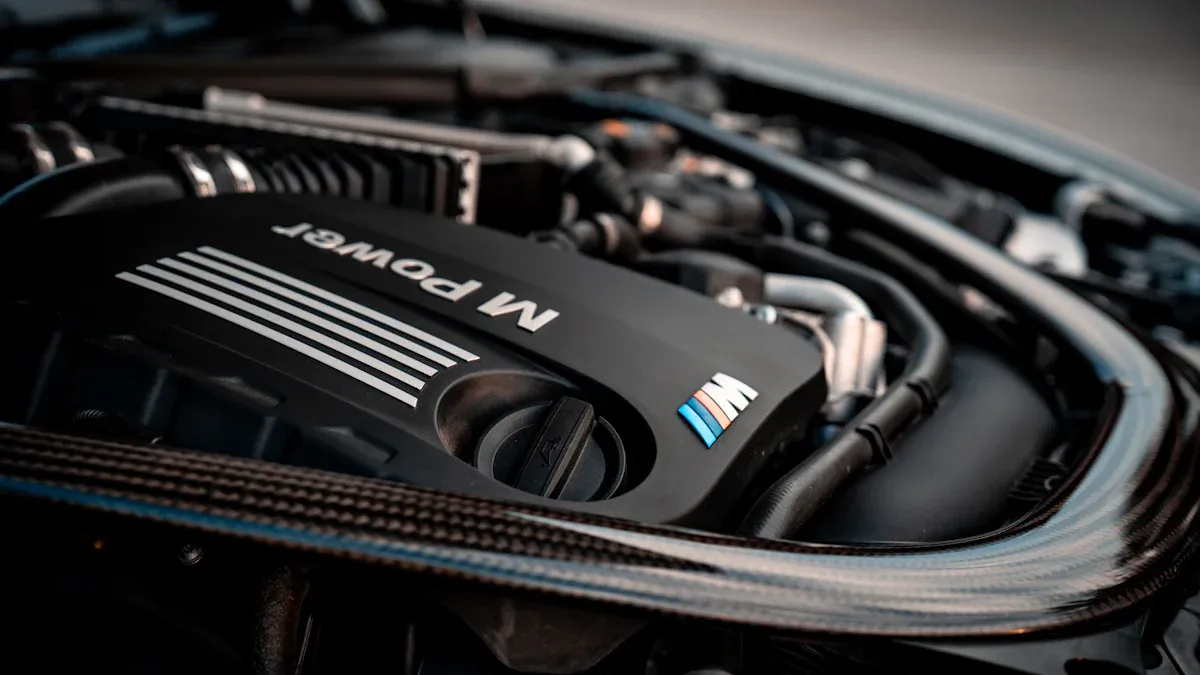
Hearing strange engine noises can cause worry. A persistent ticking sound from your engine often creates anxiety. While some ticking might be harmless, many ticking noises indicate underlying issues. These issues require immediate attention to prevent costly damage. This guide will help you understand common engine noises. You will learn their causes and discover Permanent Repair Solutions. Understanding these sounds is the first step. It ensures your engine stays healthy and lasts longer. For example, a clicking, rattling, or pinging sound can signal engine trouble.
Key Takeaways
Engine ticking sounds often mean there is a problem. You should fix these problems quickly to avoid bigger damage.
Low oil, worn parts, or leaks can cause ticking. Regular oil changes and fixing leaks help prevent these noises.
Different ticking sounds point to different issues. For example, a rapid tap can mean low oil, but a rattle might mean a timing chain problem.
Always get a mechanic to check new or loud ticking sounds. They can find the exact problem and fix it right.
Low Engine Oil Ticking
Noise Description
You might hear a metallic, rhythmic ticking sound. This noise often comes from the top of your engine. It can sound like a rapid tap-tap-tap. The ticking usually gets faster as your engine RPMs (revolutions per minute) increase. It might be louder when you first start your car, especially in cold weather. The sound can also become more noticeable when the engine is under load. You should check your oil level right away if you hear this noise.
Common Causes
Low engine oil levels are a primary cause of a tapping or ticking noise in an engine. This happens because not enough oil prevents proper lubrication of the valve train. This leads to more friction within these parts.
Insufficient Oil Level: Your engine does not have enough oil. This means parts like valve lifters and rocker arms do not get proper lubrication.
Oil Degradation: Old or dirty oil loses its ability to lubricate effectively. This can cause friction and ticking.
Oil Leaks: Oil can leak from seals or gaskets. This reduces the overall oil level in your engine.
Infrequent Oil Changes: Not changing your oil on time allows it to break down. This leads to poor lubrication.
Permanent Repair Solutions
You must address low oil levels quickly to prevent serious engine damage. Here are some permanent repair solutions:
Check and Top Off Oil: First, check your oil level. Add the correct type and amount of oil if it is low. This is a simple and often effective first step.
Regular Oil Changes: Follow your car manufacturer’s recommendations for oil change intervals. Use the correct oil viscosity. This ensures your engine always has fresh, clean oil.
Fix Oil Leaks: Find and fix any oil leaks. This might involve replacing worn gaskets or seals. A professional mechanic can help you find the source of the leak and complete the necessary repair.
Engine Flush (in severe cases): If sludge buildup is a problem, an engine flush might help. This cleans out old oil residue. However, you should do this carefully and only if recommended by a mechanic. This helps prevent future ticking noises.
Worn Valve Lifter Ticking
Noise Description
You might hear a light, rapid tapping sound. This noise often comes from the top of your engine, near the valve cover. It sounds like a small object tapping quickly. This ticking is usually quiet. It often becomes most noticeable when your engine is at idle or low RPMs. The sound might get quieter or even disappear at higher RPMs or when your engine is under load. It is often loudest when you first start your car, especially when the engine is cold. The ticking may fade as the engine warms up and oil pressure becomes stable.
To help you understand the difference, here is how worn valve lifter ticking compares to other common engine noises:
Characteristic | Worn Valve Lifter Tick | Rod Knock | Piston Slap |
|---|---|---|---|
Sound Description | Light, rapid tapping; sounds like a small object tapping rapidly; often quiet | Deeper, more forceful knocking; heavy bang or clunk | Slapping sound, often most noticeable at idle/low RPM |
Location | Top of the engine, valve cover area (valvetrain) | Lower part of the engine, deep in the engine block or oil pan (connecting rods/crankshaft) | Within the cylinders |
Rhythm & Speed | Rapid and regular, in tune with camshaft speed (slower/softer than rod knock at given RPM) | Happens with each crankshaft revolution (faster and more constant at higher RPM) | Most noticeable at idle/low RPM |
Behavior with Engine Load | Often most noticeable at idle or low RPM; might diminish or disappear at higher RPM/under load | Gets much louder and more pronounced under load or acceleration; may quiet slightly when off throttle | May be masked by other noises or diminish at higher engine speeds |
Behavior with Temperature | Loudest on cold start, fades as engine warms and oil pressure stabilizes | Doesn’t significantly change with engine temperature | Most evident on initial cold startup, goes away as engine heats up and clearances tighten |
Common Causes
Worn valve lifters are a common issue. The primary causes of worn valve lifters are time, friction, and insufficient lubrication. These factors lead to wear over time.
Lack of Oil Pressure: Lifters rely on oil pressure to function correctly. Low oil pressure prevents them from pumping up. This causes them to tick.
Sludge Buildup: Oil sludge can block the small passages inside the lifters. This prevents oil from reaching them.
Worn Lifter Components: Over many miles, the internal parts of the lifters can wear out. This causes them to lose their ability to hold oil pressure.
Improper Oil Viscosity: Using the wrong type of oil can affect lubrication. This leads to increased wear on lifters.
Permanent Repair Solutions
Addressing worn valve lifters can prevent further damage to your engine. Here are some permanent repair solutions:
Oil and Filter Change: Start with a fresh oil and filter change. Use the correct oil type and viscosity for your vehicle. This can sometimes resolve minor ticking noises.
Engine Flush: A professional engine flush can remove sludge and deposits. This helps clear blocked oil passages.
Lifter Replacement: If the lifters are severely worn, you must replace them. This is a more involved repair. It often requires removing the cylinder head.
Oil Pump Inspection/Replacement: If low oil pressure is the root cause, you may need to inspect or replace the oil pump. This ensures proper lubrication throughout the engine. This repair can be complex.
Exhaust Leak Ticking
Noise Description
You might hear a sharp, rhythmic ticking sound. This noise often sounds like a sewing machine. It usually comes from the exhaust manifold area of your engine. The ticking often gets louder when you accelerate. It might also become more noticeable when the engine is cold. Sometimes, the sound can disappear or become quieter as your engine warms up. You might also notice a strong exhaust smell inside your car.
Common Causes
Exhaust leaks cause ticking when hot exhaust gases escape under pressure. These gases create a distinct sound as they push through a small opening.
Worn or Damaged Exhaust Gaskets: Gaskets seal the connection between exhaust components. A damaged gasket allows gases to escape. A bad header gasket is a common cause of ticking. You might see dark areas on the gasket where the leak occurred.
Cracked Exhaust Manifold: The exhaust manifold can crack due to heat stress or age. These cracks create pathways for gases to leak.
Loose Exhaust Bolts: Bolts holding the exhaust manifold or pipes can loosen over time. This creates small gaps for gases to escape.
Damaged Exhaust Pipes: Small holes or cracks in exhaust pipes can also cause ticking. Leaks closer to the engine, such as at the headers, are more likely to produce a ticking sound near the motor. Downstream leaks, like those at the x-pipe or axle pipe connections, are less likely to cause a ticking sound near the engine. They might leave black soot spots instead.
Permanent Repair Solutions
Addressing an exhaust leak promptly prevents further damage and annoying noises. Here are some permanent repair solutions:
Inspect and Tighten Bolts: First, check all exhaust manifold and pipe bolts. Tighten any loose bolts to the manufacturer’s specifications.
Replace Damaged Gaskets: If a gasket is leaking, you must replace it. Use a new, high-quality gasket for a proper seal.
Repair or Replace Cracked Components: A cracked exhaust manifold or pipe needs repair or replacement. Small cracks might be welded. Larger cracks or severe damage require a new part. This ensures a lasting fix.
Professional Inspection: If you cannot find the leak, a mechanic can perform a smoke test. This test helps pinpoint the exact location of the exhaust leak. This ensures a complete and effective repair.
Loose Spark Plug Ticking
Noise Description
You might hear a distinct ticking sound coming from your engine. This ticking often sounds like a rapid, sharp tap. It can be quite noticeable, especially when the engine is running. A loose or damaged spark plug can cause this ticking sound. You might also notice your car does not perform as well as it should. This reduced engine performance often accompanies the ticking.
Common Causes
Spark plugs can loosen over time due to several factors. These issues prevent the spark plug from staying tightly sealed in its spot.
High-frequency vibration and stress waves: Detonation creates strong vibrations. These vibrations can cause the spark plug threads to loosen.
Thermal expansion differences: Your aluminum cylinder head expands more than the steel spark plug when hot. This difference can reduce the grip on the spark plug.
Directional pressure waves from detonation: Detonation can hit the spark plug unevenly. This can cause it to move within the expanded threads.
Oil deposits: Unburned oil can build up between the spark plug and head threads. This acts like a lubricant, reducing friction.
Constant pounding of detonation: The repeated impact of detonation can loosen the spark plug over time.
High combustion chamber temperatures: Loose spark plugs often indicate that your combustion chamber is too hot.
Permanent Repair Solutions
Addressing a loose spark plug quickly prevents further damage and annoying noises. Here are some permanent repair solutions:
Tighten or Replace Spark Plug: First, try to tighten the spark plug to the correct torque. If the threads are stripped, you will need a more involved repair.
Use an insert of the correct length: If the threads in the cylinder head are damaged, you can install a thread repair insert. This creates new, strong threads for the spark plug.
Utilize a staking tool: A staking tool helps permanently secure the insert. This prevents it from coming out when you remove spark plugs later.
Remove the spark plug from the insert: You must remove the spark plug from the insert while it is still in the head. This allows you to use the staking tool effectively. Ensuring spark plugs are correctly installed and in good condition can prevent these issues.
Fuel Injector Ticking
Noise Description
You might hear a rapid, consistent ticking sound. This noise often comes from the top of your engine, near the fuel rail. It is usually a lighter, more precise tick compared to other engine noises. The ticking often matches the engine’s RPMs. It might become more noticeable when you stand near the engine with the hood open.
A faulty fuel injector can cause ticking sounds. These injectors, when clogged or malfunctioning, result in an uneven fuel delivery, often accompanied by an audible tick.
Sometimes, you might also notice your engine running rough or experiencing sputtering or sputtering noises. To pinpoint the exact source of the ticking, you can use a mechanic’s stethoscope.
A mechanic’s stethoscope is an invaluable tool. It allows you to listen to different parts of the engine more closely. You can distinguish specific auditory cues.
By placing the stethoscope on various engine components, such as the fuel injectors or the valve cover, you can isolate the source of the ticking noise.
Common Causes
Fuel injectors are electrical components. They open and close rapidly to spray fuel into the engine. Several issues can cause them to tick loudly.
Normal Operation: Some fuel injectors naturally make a ticking sound. This is especially true for direct injection systems. The sound comes from the injector opening and closing quickly.
Clogged Injectors: Dirt or carbon buildup can partially block an injector. This makes it work harder, causing a louder tick.
Worn Injectors: Over time, the internal parts of an injector can wear out. This leads to improper fuel delivery and a ticking sound.
Low Fuel Pressure: If your fuel system has low pressure, injectors might struggle to spray fuel correctly. This can cause them to tick.
Permanent Repair Solutions
Addressing fuel injector ticking can improve your engine’s performance and fuel efficiency. Here are some permanent repair solutions:
Fuel System Cleaner: Try adding a high-quality fuel system cleaner to your gas tank. This can help clear minor clogs in the injectors.
Injector Cleaning: A professional mechanic can perform a specialized fuel injector cleaning service. This involves using strong chemicals to clean the injectors directly.
Injector Replacement: If an injector is severely worn or damaged, you must replace it. This ensures proper fuel delivery. This repair can be more costly but is often necessary for lasting results.
Fuel Pressure Check: Have a mechanic check your fuel pressure. If it is low, you might need to replace the fuel pump or fuel filter.
Serpentine Belt/Pulley Ticking
Noise Description
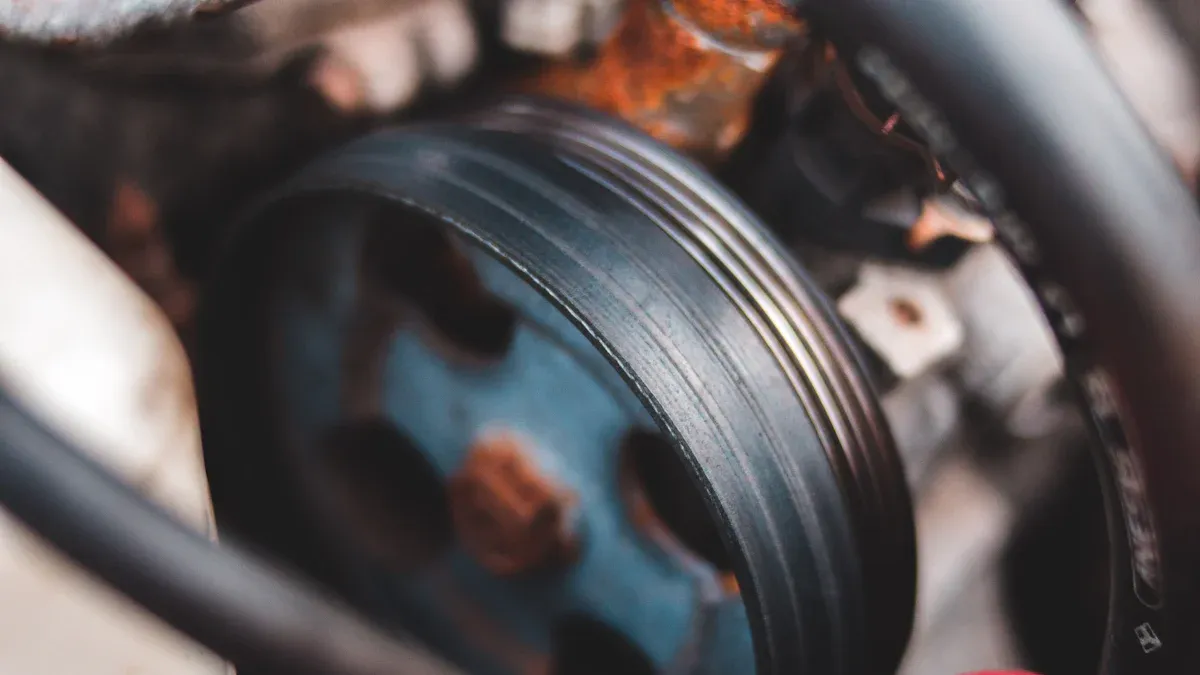
You might hear a chirping, squealing, or rhythmic ticking sound. This noise comes from the front of your engine. It often gets louder when you first start your car. The sound might change with engine RPMs. It could be a constant tick or a sporadic squeak.
Common Causes
The serpentine belt drives many accessories. These include the alternator, power steering pump, and air conditioning compressor. Pulleys guide this belt.
Worn Belt: The belt itself can wear out. It can crack or fray. This causes it to slip and make noise.
Bad Pulley Bearings: Pulleys have bearings. These bearings can wear out. They create friction and a ticking sound.
Misaligned Pulleys: Pulleys can become misaligned. This causes the belt to rub unevenly. It leads to noise and wear.
Failing Accessory: An accessory driven by the belt can fail. For example, a loud ticking noise from the engine, along with a slight drop in antifreeze, can point to a failing water pump. The water pump pulley would then cause the ticking.
Tensioner Issues: The belt tensioner keeps the belt tight. If it fails, the belt can become loose. This causes it to slip and tick.
Permanent Repair Solutions
You can fix serpentine belt and pulley noises. This prevents further damage to your engine.
Replace the Serpentine Belt: Inspect your belt. If it shows cracks or wear, replace it. Use a high-quality replacement belt.
Replace Worn Pulleys: Identify any noisy pulleys. Replace them. This often includes idler pulleys or the tensioner pulley.
Check Accessory Components: Inspect all accessories. Make sure they spin freely. Replace any failing components, like a water pump. This is a crucial repair.
Ensure Proper Alignment: A mechanic can check pulley alignment. They can adjust or replace misaligned parts. This stops the belt from rubbing.
Worn Rocker Arm Ticking
Noise Description
You might hear a distinct ticking sound. This noise often comes from the top of your engine. It is a consistent ‘tick’ or ‘ticking noise’. Many people describe it as an “annoying” and “sickly sound.” This ticking can be much more pronounced, especially when you are driving. Videos often do not capture the true loudness of this sound. The ticking usually matches the engine’s speed. It might get louder as you accelerate.
Common Causes
Rocker arms are part of your engine’s valvetrain. They help open and close the valves. When they wear out, they can cause a ticking sound.
Lack of Lubrication: Rocker arms need constant oil flow. If oil pressure is low or oil passages are blocked, they do not get enough lubrication. This causes wear.
Worn Components: Over time, the rocker arm itself can wear down. The pivot points or the tips that contact the valves can become damaged.
Improper Valve Lash: Valve lash is the small gap between the rocker arm and the valve stem. If this gap is too large, the rocker arm will hit the valve stem harder. This creates a ticking sound.
Sludge Buildup: Oil sludge can build up in the engine. This can block oil passages to the rocker arms.
Permanent Repair Solutions
Addressing worn rocker arms is important. It prevents further damage to your engine.
Check Oil Level and Quality: Ensure your engine has enough clean oil. Use the correct oil type and viscosity. This can sometimes quiet minor ticking noises.
Adjust Valve Lash: A mechanic can adjust the valve lash. This ensures the correct gap between the rocker arm and valve. This is a precise repair.
Replace Worn Rocker Arms: If the rocker arms are severely worn, you must replace them. This involves removing the valve cover. It ensures proper valve operation.
Engine Flush: If sludge is a problem, an engine flush can help. This cleans out deposits. It allows oil to flow freely to all parts. This can prevent future ticking noises.
Timing Chain/Belt Ticking
Noise Description
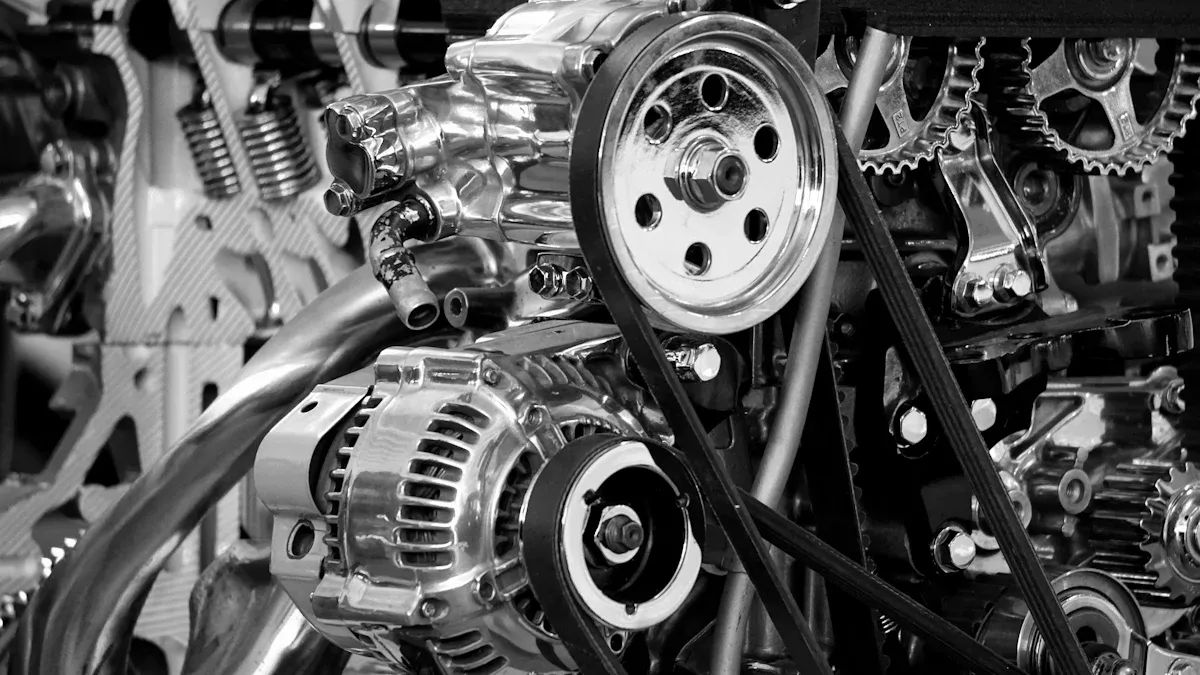
You might hear a rattling sound. This noise often comes from the front of your engine. It is particularly noticeable when your car is idling. This rattling is often loudest as the engine warms up. It may then become quieter. This sound is more of a rattle than a tick.
Common Causes
The timing chain or belt keeps your engine’s components synchronized. When these parts wear out, they can create noise.
Stretched Timing Chain: Over time, a timing chain can stretch. This causes it to become loose. A loose chain rattles against its guides.
Worn Tensioner: The timing chain or belt tensioner keeps proper tension. If it fails, the chain or belt can become slack. This leads to rattling or slapping noises.
Damaged Guides: Guides keep the timing chain in place. If these guides wear out or break, the chain can move freely. This causes a rattling sound.
Worn Timing Belt: A timing belt can fray or crack. This can lead to improper timing and noise.
Permanent Repair Solutions
Addressing timing chain or belt issues is critical. It prevents severe engine damage.
Replace Damaged Parts: Replacing damaged parts like the timing chain or belts is a common fix. This directly addresses the source of the noise.
Professional Inspection: You should have a professional inspect worn-out timing belts. They can determine if replacement is necessary.
Replace Tensioner and Guides: If the tensioner or guides are worn, you must replace them. This ensures the chain or belt stays tight and aligned.
Complete Timing Kit Replacement: Often, mechanics recommend replacing the entire timing kit. This includes the chain/belt, tensioners, and guides. This comprehensive approach ensures a lasting repair.
Carbon Buildup Ticking
Noise Description
You might hear a light, irregular ticking or pinging sound. This noise often comes from deep inside your engine. It can sound like small marbles rattling. You will notice it most when you accelerate. The sound might also appear when your engine is under a heavy load. It is often more noticeable in older vehicles. This ticking is different from other noises because it is less rhythmic and more sporadic.
Common Causes
Carbon buildup is a common problem. It happens when deposits form on your pistons, valves, and in the combustion chambers. These deposits cause several issues.
Incomplete Combustion: Your fuel does not burn completely. This leaves behind carbon residue.
Short Trips: Driving short distances prevents your engine from reaching optimal operating temperature. This allows carbon to accumulate.
Low-Quality Fuel: Using lower-grade fuel can lead to more carbon deposits.
Oil Blow-by: Small amounts of oil can enter the combustion chamber. This also contributes to carbon formation.
Hot Spots: Carbon deposits can create hot spots in the combustion chamber. These hot spots ignite the fuel prematurely. This causes pre-ignition or knocking, which sounds like ticking.
Permanent Repair Solutions
You can address carbon buildup to stop the ticking. This will improve your engine’s performance.
Fuel System Cleaners: Add a high-quality fuel system cleaner to your gas tank. These cleaners help dissolve carbon deposits.
Professional Engine Cleaning: A mechanic can perform a specialized engine cleaning. This might involve a chemical cleaning or walnut blasting for direct injection engines. This is an effective repair.
Driving Habits: Drive your car on longer trips. Allow the engine to reach and maintain higher temperatures. This helps burn off existing carbon.
Use Quality Fuel: Always use the recommended octane fuel for your vehicle. High-quality fuels often contain detergents that prevent carbon buildup.
Regular Maintenance: Follow your vehicle’s maintenance schedule. This includes oil changes and air filter replacements. This helps prevent future carbon accumulation.
Piston Slap Ticking
Noise Description
You might hear a hollow, rhythmic slapping sound. This noise often comes from the lower part of your engine. It is usually loudest when you first start your car, especially in cold weather. The sound often lessens or disappears as your engine warms up. It can sound like a piston is loosely moving inside its cylinder. This is one of the more concerning engine noises you can hear.
Common Causes
Piston slap happens when a piston has too much clearance inside its cylinder. This allows the piston to “slap” against the cylinder wall during its up and down movement.
Manufacturing Tolerances: Some engines are designed with slightly looser piston-to-cylinder clearances. This can cause piston slap from the factory.
Engine Wear: Over many miles, the cylinder walls or pistons can wear down. This increases the clearance and leads to slapping.
Cold Engine Operation: Metal parts contract when cold. This can temporarily increase the clearance, making the slap more noticeable until the engine warms up and parts expand.
Oil Viscosity: Using oil that is too thin can reduce the cushioning effect between the piston and cylinder wall.
Permanent Repair Solutions
Piston slap usually indicates significant internal engine wear. A permanent repair for piston slap is often extensive.
Engine Rebuild: The most effective solution is an engine rebuild. This involves disassembling the engine. You would then replace worn pistons, rings, and possibly re-bore or hone the cylinders. This ensures proper piston-to-cylinder clearance.
Engine Replacement: In some severe cases, replacing the entire engine might be more cost-effective than a rebuild. This depends on the extent of the wear and the cost of parts and labor.
Thicker Oil (Temporary): Using a slightly thicker oil might temporarily reduce the noise. This is not a permanent fix. It only masks the underlying issue.
Professional Diagnosis: Always get a professional mechanic to diagnose piston slap. They can determine the severity and recommend the best course of action.
Never ignore strange engine noises. Early diagnosis and repair save you significant time and money. It also prevents catastrophic engine failure. Remember, each distinct ticking noise points to a specific problem with a specific solution. If you are unsure about any engine noises, consult a qualified mechanic for professional diagnosis. Address any identified noises promptly. This ensures your vehicle’s safety, reliability, and longevity. Give your car the immediate attention it deserves.
FAQ
Can I drive my car if my engine is ticking?
You should avoid driving your car if you hear a new or loud ticking sound. Some minor ticks are harmless. Many indicate serious problems. Driving with a ticking engine can cause more damage. You should get it checked by a mechanic quickly.
How much does it cost to fix engine ticking?
The cost to fix engine ticking varies greatly. It depends on the cause. A simple oil change might cost under $100. Replacing a timing chain can cost over $1,000. You should get a diagnosis first. This helps you understand the exact repair cost.
How can I prevent engine ticking noises?
You can prevent many ticking noises with regular maintenance. Always change your oil on time. Use the correct oil type. You should also check fluid levels often. Address small issues quickly. This keeps your engine healthy.
Is all engine ticking bad?
No, not all engine ticking is bad. Some engines, especially those with direct injection, naturally make a slight ticking sound. This is normal operation. However, a new, loud, or persistent tick usually signals a problem. You should always investigate new noises.
💡 Tip: If you are unsure about any engine noise, always consult a qualified mechanic. They can accurately diagnose the issue.



