Your car battery is vital. It powers all electrical components. Unexpected battery failure leaves you stranded. This is a major inconvenience. Recognizing early warning signs prevents this. You avoid being stuck. You also save on potential repair costs. This guide helps you identify 10 bad car battery symptoms. You will learn about car battery lifespan and replacement costs. These signs empower you to address issues promptly.
Key Takeaways
Your car battery powers all electrical parts. It usually lasts three to five years.
Watch for signs like slow starting, dim lights, or a swollen battery case. These mean your battery is failing.
A bad battery can leave you stranded. Address problems quickly to avoid bigger issues.
You can jumpstart your car. If that does not work, call for roadside help.
Replacing a car battery costs about $150 to $300. You can do it yourself or hire a professional.
Car Battery Lifespan
Average Battery Longevity
You might wonder, “how long do car batteries last?” Typically, a car battery serves you well for about three to five years. This is a general guideline. Some batteries might last longer. Others might fail sooner. Many factors influence this lifespan. Your driving habits and local climate play big roles. Regular maintenance also extends your battery’s life.
Factors Affecting Battery Life
Several elements impact how long your car battery performs. Your driving habits are one key factor. Frequent short trips prevent your battery from fully charging. This reduces its overall lifespan. Leaving your car unused for long periods also drains the battery. Extreme temperatures are particularly harsh on batteries.
High Heat: Temperatures above 86°F speed up internal chemical reactions. This causes lead sulfate crystals to form faster. This process, called sulfation, shortens the battery’s life. It leads to cell and grid failures.
Extreme Cold: Cold weather reduces the battery’s power output. It also makes it harder for the battery to accept a charge. If your battery stays discharged in cold conditions, hard lead sulfates can form. This also causes sulfation and battery failure.
Corrosive Salt Water: If salt water touches your car’s electrical systems, it corrodes wires and metals. This can damage the battery’s connections.
Moisture and Humidity: Over time, moisture and high humidity can cause corrosion on exposed battery terminals. This weakens connections and reduces efficiency.
Your car’s electrical system also affects battery life. A faulty alternator can overcharge or undercharge the battery. This damages it over time. Always consider these factors to maximize your battery’s performance.
10 Bad Car Battery Symptoms: Warning Signs
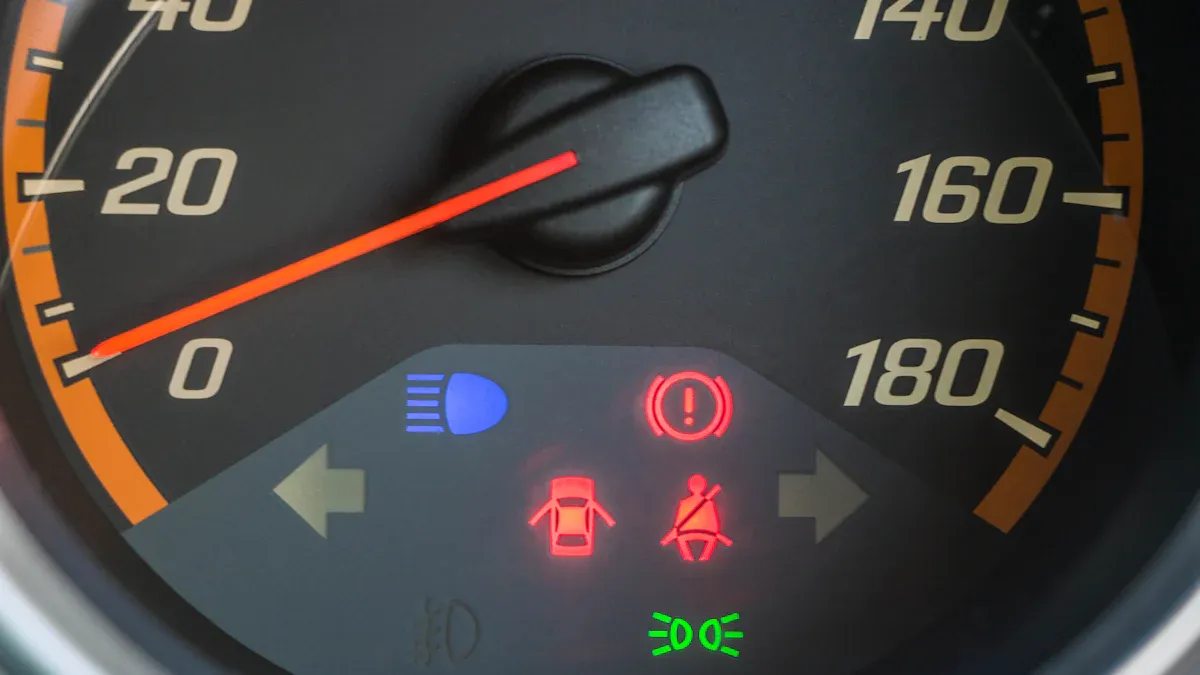
You need to recognize bad car battery symptoms. These are crucial warning signs. They tell you when your car battery is failing. Catching them early saves you trouble.
Slow Crank or Sluggish Start
When you turn the key, your engine struggles to start. It sounds like it takes longer than usual to crank. This slow crank means your battery lacks the power to start your car quickly. It is a common sign of a dying battery. Your engine might turn over slowly. It might sound weak. This indicates your battery cannot deliver enough electrical current.
Dim Lights
You might notice your headlights are not as bright. Your interior lights or dashboard lights also appear dim. A weak car battery cannot provide enough power for full brightness. This is one of the clear signs of a failing battery. You might see this most clearly when your car is off. Or you see it when the engine is just starting.
Dashboard Warning Lights
Your car’s dashboard might show a battery light. This battery light looks like a small battery icon. It tells you there is a problem with your charging system or the battery itself. Pay attention to this important warning sign. This light can mean your battery is not charging correctly. It can also mean your battery is simply weak.
Clicking Sounds on Ignition
You hear a rapid clicking sound when you try to start your car. This happens because your battery does not have enough power. The low battery prevents the starter motor from receiving sufficient power. The starter motor tries to engage but cannot get enough electricity. The clicking sound indicates an electrical power deficiency. The mechanical action of the starter attempts to work with insufficient power.
Corroded Battery Terminals
Look at your battery terminals. You might see a fuzzy, white, or bluish-green substance. This is visible corrosion. It forms when the acid inside the battery reacts with the lead or lead alloys in the terminals. These reactions also produce hydrogen gas. This gas bubbles up through the battery. It accelerates the corrosion damage. When dissimilar metals, like lead terminals and tin-plated connectors, touch, one metal corrodes faster. This corrosion blocks the flow of electricity. It is one of the clear bad car battery symptoms.
Swollen Battery Case
Check your battery’s case. Does it look swollen or bloated? This bulging battery case is a serious problem. It means gases are building up inside. The electrolyte within the battery can break down. This produces gases that accumulate. Overcharging a battery beyond its capacity generates excessive heat. This leads to the breakdown of internal components and gas production. Over-discharging a battery too much can also damage its internal structure. This results in gas production. Physical damage or high temperatures also contribute. A swollen case is a critical sign your battery is failing.
Foul Battery Smell
You might smell something like rotten eggs. This foul battery smell comes from hydrogen sulfide gas. Your battery releases this gas when it is overcharged. This smell is a strong indicator of a bad car battery. It means your battery is overheating. It also means it is releasing harmful gases.
Frequent Jumpstarts
You need to jumpstart your car often. If you jumpstart your car more than once recently, your battery is likely failing. A battery that cannot hold a charge needs frequent external boosts. Relying on jumper cables repeatedly means you need a new battery. This is a clear sign your battery needs replacement. Using jumper cables is only a temporary fix.
Electrical Malfunctions
Other electrical parts in your car might act strangely. Your power windows could move slowly. Your radio presets might reset. Your heated seats might not work. A weak battery struggles to power all these systems. These are all signs of a failing power source. Your car’s computer system might also show errors.
Old Battery Age
Your battery’s age is a symptom itself. If your battery is older than three to five years, it is nearing its end. Even without other obvious signs, an old battery is a risk. You should consider testing or replacing it. Recognizing these bad car battery symptoms helps you avoid being stranded.
Battery Dies: What to Do
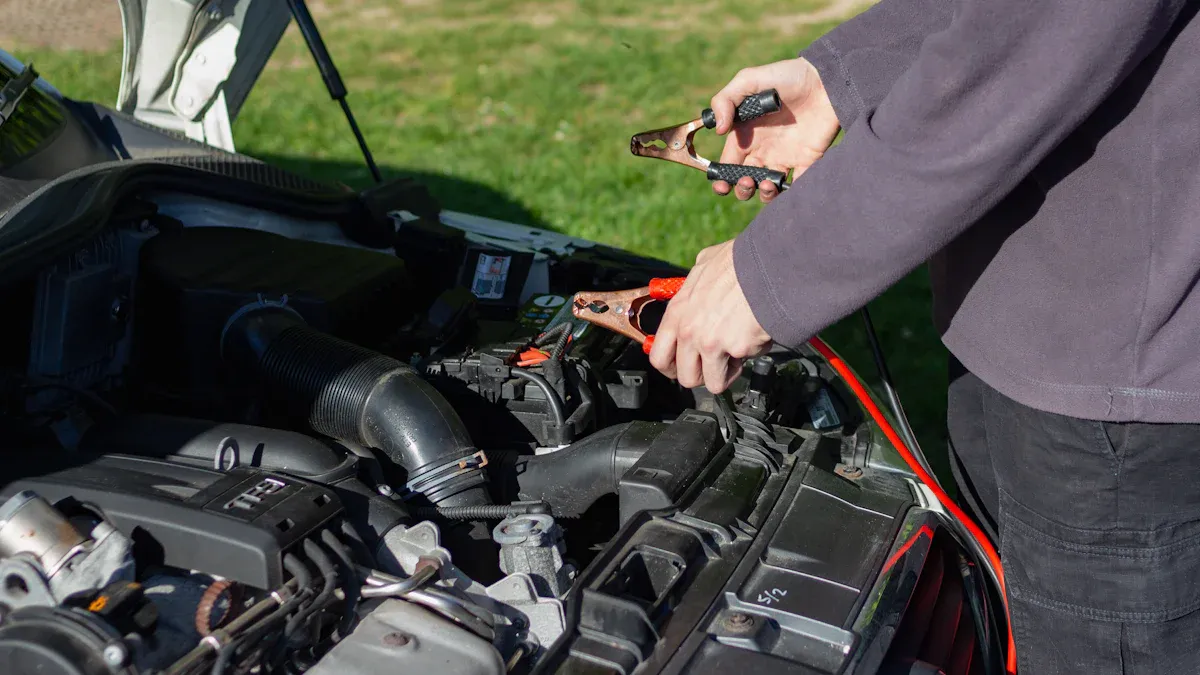
Your car battery might die. Do not panic. You have options. Knowing what to do helps you get back on the road.
How to Jumpstart Your Car
You can often revive a dead battery. You will need jumper cables. Find another car with a working battery. Park the cars close together. Make sure they do not touch. Turn off both cars. Open both hoods. Locate the batteries.
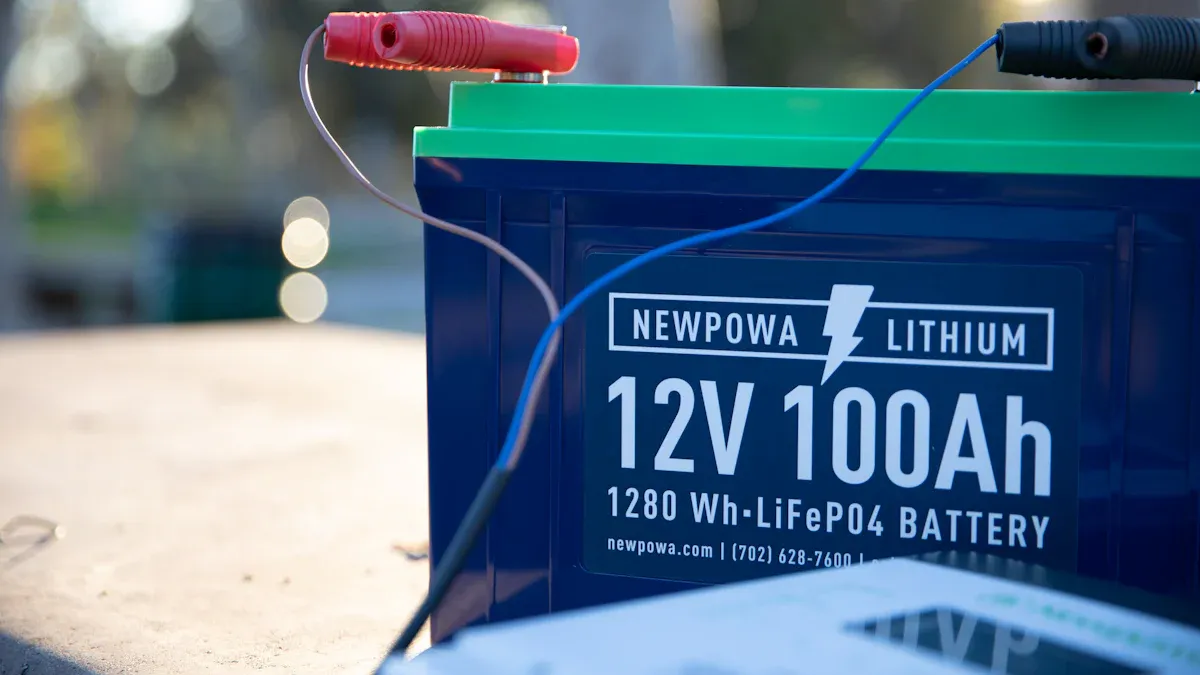
First, connect one red clamp to the positive (+) terminal of your dead battery. Then, connect the other red clamp to the positive (+) terminal of the good battery. Next, connect one black clamp to the negative (-) terminal of the good battery. Finally, connect the other black clamp to an unpainted metal surface on your car’s engine block. This is away from the battery.
Start the car with the good battery. Let it run for a few minutes. Try to start your car. If it starts, remove the cables in reverse order. Drive your car for at least 20 minutes. This helps recharge your battery. This is how to jumpstart your car.
When to Call for Roadside Assistance
Sometimes, a jumpstart is not enough. You should call for help in certain situations. If your battery case looks swollen, do not try to jumpstart it. This indicates a serious problem. If you do not have jumper cables, call for assistance. If your car still does not start after a jump, you need professional help. This could mean a deeper issue. Your alternator might be bad. A mechanic can diagnose the problem safely. They can also replace your battery if needed.
Car Battery Replacement Cost
Average Replacement Costs
You need to know the cost when you replace your car battery. A standard 12-volt car battery replacement usually falls within a specific range. You pay for both parts and labor.
Category | Cost Range (Standard 12-volt) |
|---|---|
Parts | $100–$220 (flooded lead-acid) |
Labor | $30–$80 (at most shops) |
Total Bill | $150–$300 (for most vehicles) |
You can expect a total bill between $150 and $300 for most vehicles. This covers the new battery and the service to install it.
Factors Influencing Battery Price
Several things change the price of your new car battery. Not all batteries cost the same.
Battery Type: Advanced battery types cost more. AGM and lithium-ion batteries are pricier than standard lead-acid batteries.
Vehicle Complexity: Luxury cars or high-performance vehicles have complex systems. These cars need specialized tools for battery replacement. This increases labor costs.
Battery Registration: Many newer cars need battery registration. You must register the new battery with the car’s computer. This adds to the overall labor expense.
These factors mean your final cost can vary.
DIY vs. Professional Installation
You have a choice when you need to change your car battery. You can do it yourself or hire a professional. If you have the right tools and feel comfortable, you can change your car battery. This saves you labor costs. However, you must follow safety steps. You also need to dispose of the old battery properly.
A professional installation ensures correct setup. Mechanics have the right tools and expertise. They can also handle battery registration for newer vehicles. This prevents potential electrical issues. Consider professional help if you are unsure or if your car has complex systems. This ensures a proper battery replacement.
You now understand the importance of proactive battery maintenance. You also know the bad car battery symptoms. Recognizing these signs early helps you avoid being stranded. Address battery issues promptly. This prevents inconvenience and potential damage to other vehicle parts. If you are unsure, consult a professional mechanic for diagnosis and replacement. Make regular checks on your car battery a habit. This keeps you safely on the road.
FAQ
Can a bad alternator cause battery problems?
Yes, a bad alternator can cause battery problems. It might not charge your battery correctly. This leaves your battery dead or undercharged. A mechanic can test your alternator. This helps you find the issue.
How often should I check my car battery?
You should check your car battery at least twice a year. Do this before summer and winter. Look for corrosion and ensure connections are tight. This helps prevent unexpected failures. Regular checks extend battery life.
Is it safe to drive with the battery light on?
No, it is not safe to drive with the battery light on. This light means your charging system has a problem. Your car could lose power suddenly. Get it checked immediately. You avoid being stranded.
How do I dispose of an old car battery?
You must dispose of old car batteries properly. Many auto parts stores accept them for recycling. Your local recycling center also takes them. Never throw them in regular trash. They contain harmful chemicals.