

Few things are more frustrating than when your car cranks but wont start. You turn the key, hear the engine groan, but your car refuses to come to life. This common car trouble often leaves you feeling stranded. Many different issues can cause this. These include a faulty fuel pump, clogged fuel injectors, or bad spark plugs. Low engine compression or a malfunctioning crankshaft position sensor can also be culprits. Even a weak car battery can prevent your car from starting. This guide gives you 10 urgent steps. You can quickly find out why your car won’t start. These steps help you decide what to do next. We provide clear, actionable advice to navigate this stressful car trouble.
Key Takeaways
Check your car battery first. Look for corrosion and test its voltage.
Inspect key fuses for the fuel pump and ignition system. A blown fuse stops power.
Confirm your car has enough fuel. A faulty gas gauge can give wrong readings.
Scan for trouble codes with an OBD-II scanner. These codes point to specific problems.
Listen for the fuel pump. A hum means it is working; no hum means a problem.
Check Battery Power & Connections
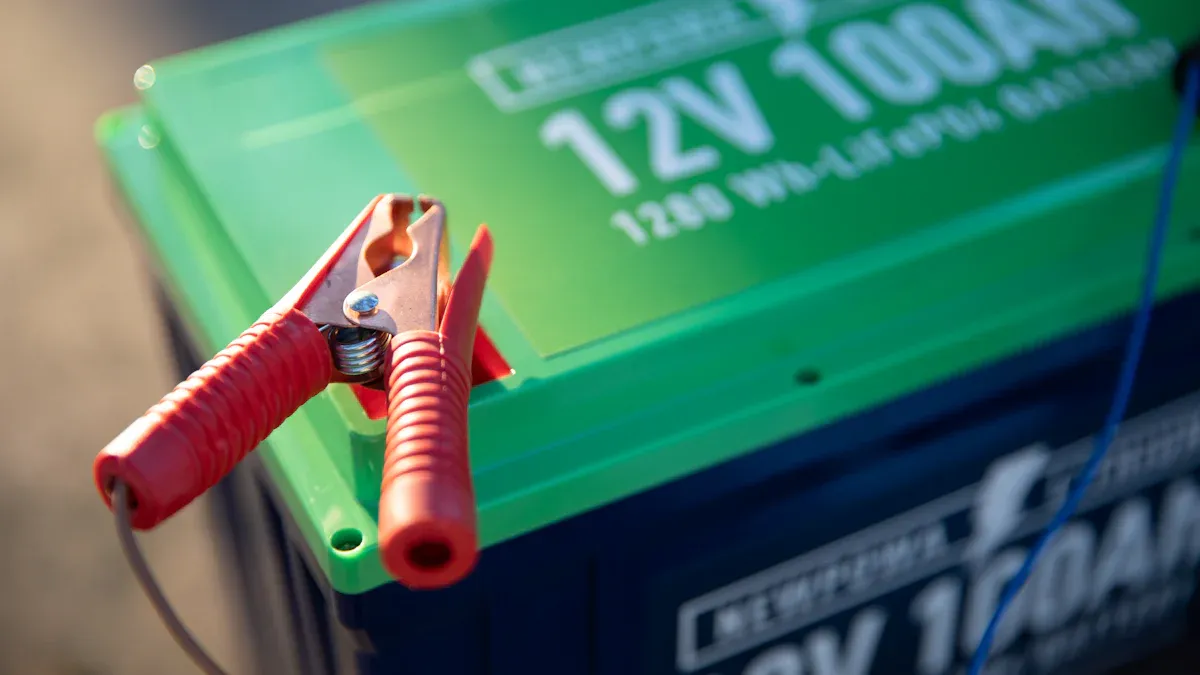
Your car needs a strong battery to start. A weak or dead battery is a very common reason your car cranks but will not start. You should always check your battery first.
Verify Battery Terminals
Open your car’s hood. Look closely at your battery terminals. These are the metal posts where cables connect. You might see white, blue, or green crusty deposits on them. This is corrosion. Sometimes, it looks like a powdery substance. Corrosion on the negative terminal can mean your battery is undercharging. Corrosion on the positive terminal can mean your battery is overcharging. These deposits prevent good electrical flow. Also, check if the terminals are tight. Loose connections stop power from reaching your starter.
Test Battery Voltage
You need a multimeter to test your battery’s voltage. Set the multimeter to DC volts. Connect the red probe to the positive battery terminal. Connect the black probe to the negative battery terminal. A healthy, fully charged battery should show between 12.6 and 12.8 volts when your car is off. If your battery reads below 12.4 volts, it might be weak. A reading below 12.0 volts often means you have a dead battery. Car batteries typically last between 3 to 4 years. Some batteries need replacement after just one or two years. Others can last up to six years. Batteries gradually lose their power over time. If your battery voltage is low, consider jump-starting the car.
Inspect Key Fuses
Your car relies on many electrical systems. Fuses protect these systems. If a fuse blows, a critical component might not work. This can prevent your car from starting. You need to inspect key fuses. These include fuses for the fuel pump and ignition system. Also check the engine control unit (ECU) fuse.
Locate Fuse Box
You need to find your car’s fuse box. Most cars have at least two fuse boxes. One is usually under the hood. It protects engine components. Another is often inside the cabin. You might find it under the dashboard. It could also be in the glove compartment. Your car’s owner’s manual will show you the exact locations. It also has a diagram of each fuse. This diagram tells you what each fuse protects.
Check Fuel Pump Fuse
Once you find the fuse box, look for specific fuses. Check the fuse for the fuel pump. Also, inspect fuses for the ignition system. The engine control unit (ECU) fuse is very important. A critical fuse affecting a car’s starting mechanism is the ECM (Engine Control Module) fuse. A blown ECM fuse can lead to difficulties in starting the vehicle. The ECM is vital for managing the engine’s ignition process. Without proper power due to a faulty fuse, the ECM cannot effectively control components like the fuel injector or ignition coil. These are essential for the engine to ignite, even if it cranks.
How to Check a Fuse:
Pull out the suspected fuse. Use a small plastic fuse puller. Your car’s fuse box might have one.
Hold the fuse up to the light. Look at the small wire inside.
If the wire is broken or melted, the fuse is blown.
Replace a blown fuse with a new one. Make sure the new fuse has the exact same amperage. This number is printed on the fuse. Using the wrong fuse can cause more electrical problems.
Confirm Fuel Level
Sometimes, the simplest explanation is the correct one. You might overlook a very common reason your car cranks but wont start: an empty fuel tank. Always check your fuel level first. This step seems obvious, but many drivers forget it.
Verify Gas Gauge
First, look at your car’s gas gauge. Does it show empty or very low? Even if you believe you have enough fuel, a faulty gauge can give you a wrong reading. The float sensor inside the fuel tank can sometimes get stuck. This makes the gauge display more fuel than you actually possess. Your car might also have a low fuel warning light. Check if this light is illuminated. Do not just trust the gauge’s position. Instead, recall when you last filled your tank. Consider your recent driving distance. These details help you determine if your car truly has enough fuel.
💡 Quick Tip: If your car has a trip computer, check the “distance to empty” reading. This can offer a more accurate estimate than the gauge alone.
Add Fuel if Low
If your gauge shows low fuel, or if you are unsure about its accuracy, add a small amount of fresh fuel. A gallon or two can be enough to get your engine running. Use a clean fuel can for this task. After adding fuel, try to start your car again. If it fires up, you have successfully identified and solved your problem. If your car still does not respond, you might have a different issue. Perhaps your fuel pump is not working correctly. Or, you could have a clogged fuel filter preventing fuel flow. If you suspect a fuel leak, carefully look under your car for any wet spots or a strong fuel smell. A leak means your car cannot deliver fuel to the engine. This prevents the engine from igniting. Do not ignore any signs of a leak. It can be dangerous.
Scan for Trouble Codes
When your car cranks but wont start, scanning for trouble codes is often the easiest first step. Modern cars have onboard diagnostic systems. These systems record specific codes when a problem occurs. These codes, called Diagnostic Trouble Codes (DTCs), point directly to the faulty system. You can quickly identify the issue. This saves you time and effort.
Connect OBD-II Scanner
You need an OBD-II scanner. You can buy these at most auto parts stores. Many stores also rent them or offer free scans. Locate your car’s OBD-II port. It is usually under the dashboard on the driver’s side. It might be near the steering column. Plug the scanner into this port. Turn your car’s ignition to the “on” position. Do not start the engine. The scanner will power on. Follow the instructions on the scanner’s screen. It will begin to communicate with your car’s computer.
Interpret Diagnostic Codes
The scanner will display any stored DTCs. Each code starts with a letter. “P” indicates a powertrain issue. “B” means a body issue. “C” points to a chassis problem. “U” signifies a network communication issue. The numbers following the letter provide more detail. For example, a common code like P0301 means a misfire in cylinder 1. Write down all the codes you see. Then, look up these codes online or in the scanner’s manual. This will tell you what system or component has a fault. Knowing the specific code helps you understand why your car will not start. You can then decide on the next repair step.
Listen for Fuel Pump Operation
When your car cranks but does not start, you need to check the fuel pump. The fuel pump sends fuel from the tank to the engine. If the pump fails, the engine will not get the fuel it needs.
Turn Key to On Position
First, get inside your car. Turn the ignition key to the “on” position. Do not try to start the engine. This action usually primes the fuel pump. It prepares the fuel system for engine ignition. This step allows you to listen for the pump’s operation without the noise of the starter motor.
Listen for Hum
Now, listen carefully. You should hear a faint, low humming sound coming from the rear of your car. This sound lasts for a few seconds. A properly working fuel pump makes this noise. This sound is usually so quiet that you might not hear it. If you do not hear this hum, your fuel pump might not be working. This means your engine is not getting the fuel it needs to start.
A failing fuel pump shows several signs. You might notice your car hesitates when you accelerate. The engine might shake or vibrate when it idles. This is called a rough idle. Sometimes, your car will not start at all, even if it cranks. You might also hear an unusual whining noise from the fuel tank. This noise is louder than a normal hum. Your car might also use more fuel than usual. This means poor fuel efficiency. If your car struggles to climb hills or tow, the fuel pump could be weak. The check engine light might also come on. All these signs point to a problem with your fuel pump.
Inspect Spark Plugs & Ignition
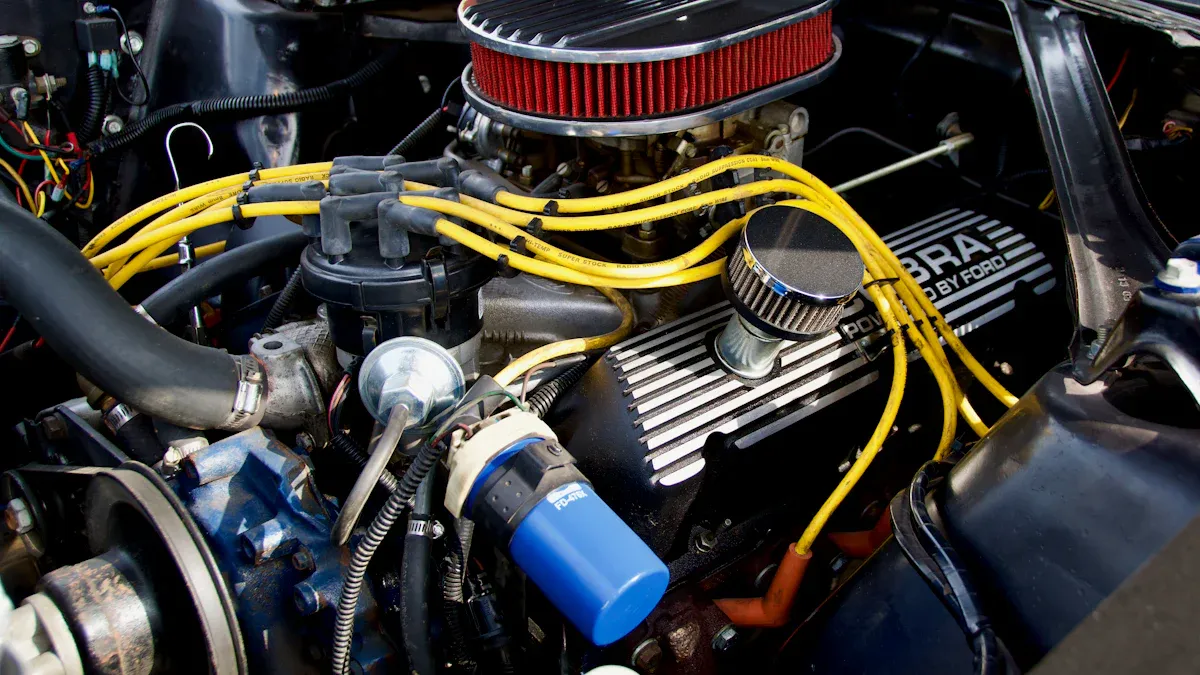
Your car needs a strong spark to ignite the fuel-air mixture. If your spark plugs are faulty, your engine will not start. Inspecting these components can reveal a common problem.
Remove Spark Plugs
You need to remove your spark plugs for inspection. First, locate the spark plug wires or coil packs on top of your engine. Carefully disconnect them. Use a spark plug socket and ratchet to unscrew each plug. Pull the plug out. Examine the tip of each spark plug.
Fouling: A black, sooty deposit indicates a rich fuel mixture or oil burning.
Damage: Look for cracked porcelain or a bent electrode. These signs mean the plug is bad.
Wear: The electrode should have a sharp edge. A rounded or worn electrode means the plug is old. It cannot produce a strong spark. Replace any plugs showing these issues.
Check for Spark
After inspecting the plugs, you can check for spark. This step requires caution. You can use a spark tester. Connect the tester between the spark plug wire and the spark plug. Have someone crank the engine. Look for a bright, blue spark in the tester.
Alternatively, you can ground a spark plug. Reconnect one spark plug to its wire or coil. Hold the metal body of the plug against a bare metal part of the engine. Use insulated pliers for safety. Have someone briefly crank the engine. You should see a strong, blue spark jump across the plug gap. If you see no spark, or a weak, yellow spark, you have an ignition problem. This could mean bad spark plugs, faulty spark plug wires, or a failing ignition coil. Ignition coils provide the high voltage needed for the spark. A bad coil prevents your car from starting.
Examine Air Intake System
Your car needs air to burn fuel. The air intake system brings air into the engine. If this system has a problem, your car might not start. You need to check two main parts: the air filter and the intake path.
Check Air Filter
Locate your car’s air filter. It usually sits in a large plastic box near the front of the engine. Open the clips or remove the screws holding the box cover. Take out the air filter. Hold it up to a light source. A clean filter lets light pass through easily. A dirty filter looks dark and clogged with dirt, leaves, or debris.
A clogged air filter can make your engine hard to start. This happens because too much unburnt fuel creates carbon deposits on your spark plugs. These deposits cause misfires and rough idling. Ultimately, your engine struggles to start. A dirty air filter also covers spark plugs with soot. This soot stops the spark plugs from making the necessary sparks. Without sparks, the air-fuel mixture in the engine’s cylinders cannot ignite. This prevents your car from starting. If your filter looks dirty, replace it.
Look for Obstructions
After checking the air filter, inspect the air intake path. This is the tube or hose connecting the air filter box to the engine. Look for any blockages. Small animals, nests, or debris can get stuck in this tube. A severe obstruction prevents enough air from reaching the engine. This makes it impossible for your car to ignite the fuel. Remove any visible obstructions carefully. Ensure the entire path is clear and free of damage. A clear air intake system helps your engine breathe properly. This is essential for a successful engine start.
Verify Immobilizer System
Your car has an immobilizer system. This system prevents your car from starting even if the engine cranks. It acts as a security feature. The immobilizer stops unauthorized engine activation. It uses a “digital handshake” process. When you turn your key, an antenna coil powers a transponder chip. This chip is inside your key. The chip then sends a unique security code to the Engine Control Unit (ECU). The ECU is your car’s central computer. It compares this code with an authorized code it has stored. If the codes do not match, or if the ECU receives no code, it will not activate critical engine parts. These parts include the fuel pump and starter motor. This prevents the engine from starting. This digital check makes hot-wiring ineffective.
Component | Function |
|---|---|
Transponder Chip | Stores the unique security code within the key fob. |
Antenna Coil | Emits an electromagnetic field to power the transponder chip and receives its code. |
Engine Control Unit (ECU) | The vehicle’s central computer that stores the authorized code and validates the code received from the transponder chip, making the final decision on engine activation. |
Check Security Light
Look at your dashboard. You might see a security light. This light can tell you about the immobilizer system.
A steady security light often means a problem with the anti-theft system. Your car might not recognize the key. The key could be unprogrammed, damaged, or have a weak battery. It could also mean a malfunction in the immobilizer or its sensors.
A blinking security light is usually normal. It shows the car’s immobilizer is active. It works correctly. It prevents the engine from starting without the right key.
Try Spare Key
If you suspect an immobilizer issue, try your spare key. Your spare key has its own transponder chip. If your primary key is damaged or its chip is faulty, the spare key might work. If the car starts with the spare key, your original key is likely the problem. If neither key works, the issue might be with the car’s immobilizer system itself. This could mean a problem with the antenna coil or the ECU.
Check Fuel Filter Condition
Your engine needs a steady supply of clean fuel. The fuel filter plays a crucial role. It ensures only purified fuel reaches your engine. You must locate your car’s fuel filter to check its condition.
Locate Fuel Filter
Its exact location varies by model. Many vehicles have the filter mounted underneath. You might find it along the fuel line, often close to the tank. Other manufacturers place the filter within the engine bay. Some even integrate it directly into the pump assembly. Always consult your owner’s manual. It provides the precise location. Knowing where it is helps you inspect it efficiently.
Assess for Clogging
The fuel filter’s job is to remove contaminants. It catches dirt, rust, and other debris. This protects sensitive engine components. Over time, these contaminants accumulate. They eventually clog the filter. A clogged filter severely restricts the flow. Your engine cannot receive sufficient pressure or volume. This prevents your car from starting. You might also notice other warning signs. Your vehicle could hesitate or stumble during acceleration. It might run roughly at idle. A very dirty filter can also cause a loss of power. You cannot visually inspect the inside of most filters. However, if your car shows these symptoms, consider the filter. A replacement is often necessary. Ignoring a clogged filter can lead to damage to your pump or injectors. A clean filter ensures proper delivery. This is vital for reliable operation. 👉 Pro Tip: Many manufacturers recommend replacing your fuel filter every 30,000 to 60,000 miles. Check your car’s service schedule for specific intervals.
Consider Crankshaft Sensor
Your car relies on many sensors to run correctly. One vital sensor is the crankshaft position sensor. It plays a big role in getting your car to start.
Understand Sensor Role
The crankshaft position sensor helps your engine’s computer. It detects the exact position of the crankshaft. It also measures how fast the crankshaft spins. This is called RPMs. Your car’s Engine Control Unit (ECU) uses this information. The ECU accurately calculates when to ignite the fuel. It also knows when to inject fuel. These timings are very important. They start the burning process inside the engine. This process makes your engine run. If this sensor fails, your car will have trouble starting. It highlights how important this sensor is for the starting sequence. A problem with this sensor can make you think you have a bad starter, but the issue is deeper.
Identify Failure Signs
A failing crankshaft position sensor shows clear signs. You might notice these problems if your car cranks but does not start.
Your check engine light might turn on.
You could have trouble starting the engine. Your car might also stall while you drive.
The engine might idle roughly. You could also experience engine misfires.
You might feel more vibration. Your ride could feel rough.
You might notice your car uses more fuel than before.
If you see these signs, check the crankshaft sensor. A faulty starter or a bad starter might seem like the problem. However, a failing crankshaft sensor can mimic these issues. It prevents the engine from getting the right signals to fire up.
Systematic troubleshooting helps you diagnose why your car cranks but wont start. You can identify many issues yourself. However, some car trouble requires professional expertise. If your car cranks but wont start, and you see a Check Engine Light, call a mechanic. Unusual noises or vibrations also signal a need for professional help. A constantly weak battery or a suspected bad starter needs expert diagnosis. A healthy battery is crucial. Ensure your battery is always in top condition. A dead battery can often be mistaken for a bad starter. Regular battery checks prevent future car trouble. Keep your battery healthy. This helps your car start reliably. Always monitor your battery.
FAQ
❓ Why does my car crank but not start?
Your car cranks but does not start for many reasons. Common issues include a dead battery, a bad fuel pump, or faulty spark plugs. It could also be a clogged fuel filter or a problem with the immobilizer system.
🔋 What is the first thing I should check if my car won’t start?
First, check your car’s battery. Look for corrosion on the terminals. Make sure the connections are tight. Test the battery voltage with a multimeter. A low voltage means a weak or dead battery.
⚡ Can a bad fuse stop my car from starting?
Yes, a blown fuse can stop your car from starting. Check fuses for the fuel pump, ignition system, and engine control unit (ECU). A bad fuse cuts power to these vital components.
⛽ How do I know if my fuel pump is working?
Turn your key to the “on” position. Listen for a faint hum from the rear of your car. This hum means the fuel pump is priming. No hum suggests a problem with the fuel pump.
🔑 What does a security light mean when my car won’t start?
A steady security light often means an immobilizer system problem. Your car might not recognize the key. Try your spare key. If it starts, your original key may be faulty.



