

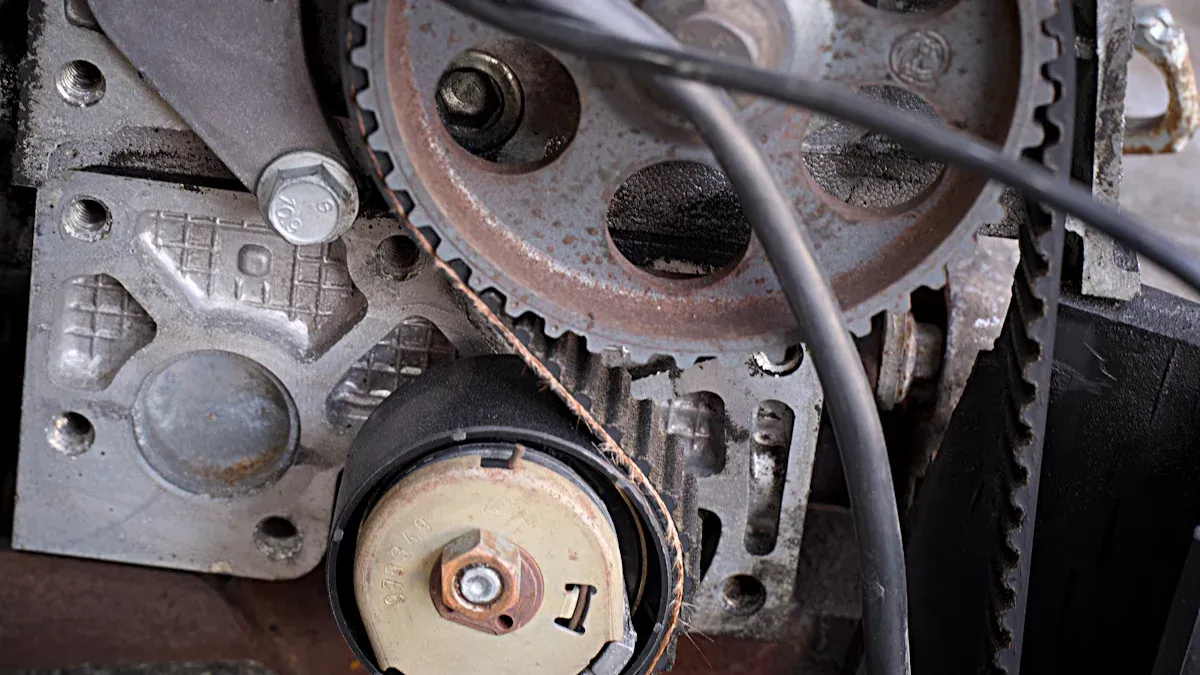
You hear a rattling sound from your engine. This timing chain noise is a serious warning sign. Your engine relies on a healthy timing chain. It synchronizes the camshaft and crankshaft. This ensures proper engine operation. Ignoring this noise can lead to severe engine damage and costly timing chain problems. Pay attention to these engine noises. An unusual engine noise often signals potential wear or other timing chain issues.
Key Takeaways
A rattling sound from your car’s engine means a problem with the timing chain. This chain helps your engine run right.
Ignoring timing chain noise can cause big damage to your engine. This damage can be very expensive to fix.
Many things can cause timing chain noise. These include worn parts, low oil, or wrong oil type.
Always get your car checked by a mechanic if you hear timing chain noise. They can find the problem and fix it.
Regular oil changes with the right oil help keep your timing chain healthy. This prevents early wear and noise.
Understanding Your Engine’s Timing Chain
What is a Timing Chain and Its Function
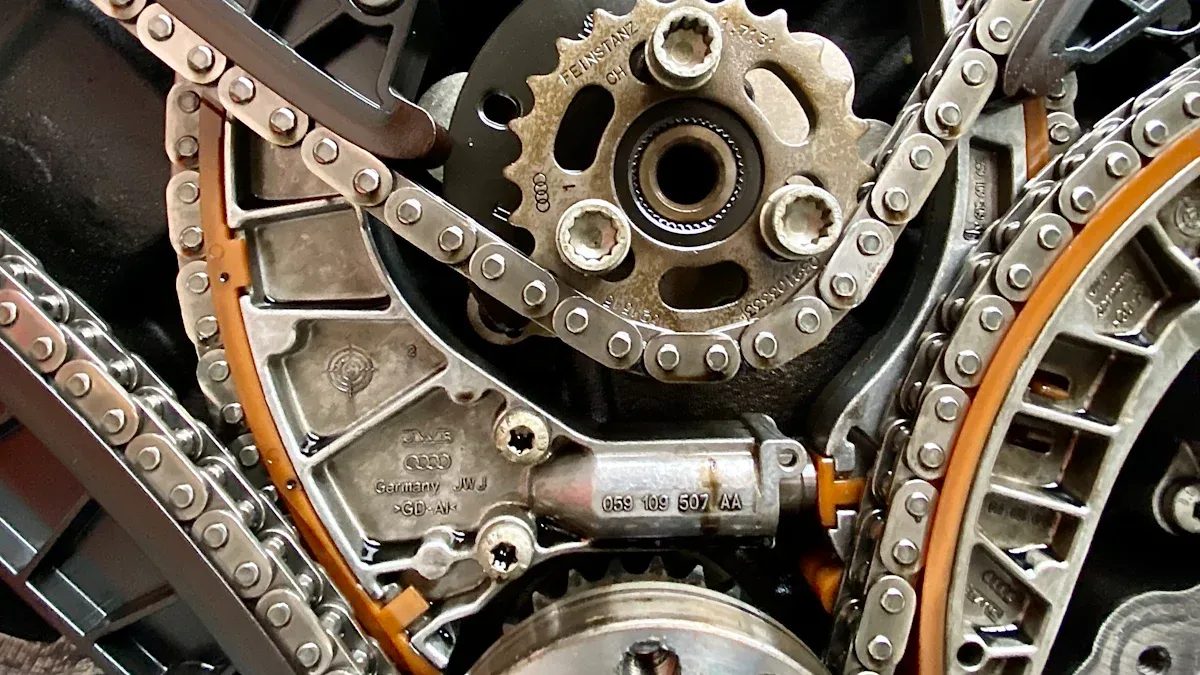
Your car’s engine has many moving parts. A key part is the timing chain. Think of it as a strong metal bicycle chain inside your vehicle. It connects two important shafts: the crankshaft and the camshaft. The crankshaft makes the pistons move up and down in the cylinders. This creates the power for your car. The camshaft controls when the valves open and close. These valves let air and fuel into the combustion chamber and exhaust gases out. The timing chain makes sure these components work together perfectly. It keeps them in sync. This precise timing allows your vehicle to run smoothly and efficiently. Without this synchronization, the engine cannot operate correctly. Its internal combustion process relies entirely on this perfect timing.
Why a Healthy Timing Chain is Crucial
A healthy timing chain is vital for your vehicle’s operation. It ensures everything moves at the exact right moment. If the timing chain fails, your engine stops working immediately. This can be very dangerous, especially if you are driving at high speeds or in heavy traffic. The vehicle will shut down completely. You will lose control over steering and brakes. More importantly, a broken timing chain causes severe internal damage. In many vehicles, pistons can collide with open valves. This collision bends valves and damages pistons. This often requires a full rebuild. In severe cases, you might even need a complete replacement. These are very costly repairs. For example, in BMWs, a timing chain failure can lead to extensive damage, including bent valves and damaged pistons. This often necessitates a full rebuild or even a complete replacement. Even in non-interference designs, where pistons and valves do not hit each other, your car will still halt. You will need a tow and a new chain. Ignoring any timing chain noise can lead to these serious and expensive problems.
Identifying Timing Chain Noise: 11 Alarming Rattles
You now understand the importance of your timing chain. Now, you need to recognize the warning signs. A common indicator of timing chain problems is a cold start rattle. This often points to a worn chain or a failing tensioner. You must distinguish these engine noises from other sounds. For example, a faulty belt tensioner or valve adjustment issues can also create noise. Your engine can make many sounds. Listen carefully for these specific engine noises.
1. Worn Timing Chain Links/Stretch
Your timing chain does not truly stretch like a rubber band. Instead, its internal components experience wear. This wear happens at the pivot points of the chain links. Over time, these worn links create slack in the chain. This slack causes a rattling sound. You will most likely notice this rattling sound when your engine is warming up. The noise may even disappear after some time as the engine heats up. Modern timing chains are designed to last the entire life of your engine. Many can go over 150,000 to 200,000 miles with good maintenance. However, some vehicles might need a replacement between 120,000 and 200,000 miles if wear symptoms appear. Insufficient maintenance, irregular oil changes, and using the wrong oil types are the main reasons for this internal wear.
2. Failing Timing Chain Tensioner
The timing chain tensioner keeps your timing chain tight. It uses oil pressure or a spring to do this. If this tensioner fails, it cannot maintain proper tension. This allows the chain to become loose. A loose chain will create a distinct rattling sound. Common reasons for tensioner failure include poor oil quality or incorrect oil viscosity. These issues can block the tensioner’s oil passages. Low oil pressure from a worn oil pump or low oil levels also prevents the tensioner from working. Internal component wear and spring fatigue also reduce the tensioner’s ability to keep the chain tight. Improper installation or not replacing related parts can also lead to its early failure.
3. Low Engine Oil Level
Your engine oil lubricates many parts, including the timing chain. A low engine oil level means less lubrication. This increases friction and wear on the engine components. This lack of lubrication can cause a rattling sound. This unusual engine noise might be mistaken for other low oil sounds. If you hear a timing chain noise and your oil level is low, topping off the oil can sometimes make the noise disappear. This shows how directly low oil levels affect your timing chain’s operation.
4. Incorrect Oil Viscosity
Using the wrong oil viscosity can harm your engine. Oil that is too thick or too thin does not lubricate properly. It also affects the hydraulic timing chain tensioner. Incorrect oil viscosity can impair the tensioner’s operation. It can also negatively impact variable valve timing solenoids and actuators. This can lead to increased wear and timing chain noise. The current API SP standard, introduced in May 2020, helps protect against timing chain wear. ILSAC GF-6A and GF-6B standards also include this protection. For example, GF-6A maintains traditional viscosities like 0W-20, 5W-20, and 5W-30. GF-6B introduces the 0W-16 ultra-low viscosity grade. Always use the oil viscosity your manufacturer recommends.
5. Clogged Oil Passages/Sludge Buildup
Oil sludge is a thick, tar-like substance. It forms in your engine when oil breaks down. This sludge can clog the small oil passages that supply oil to the timing chain and tensioner. When these passages are blocked, the timing chain does not get enough lubrication. The tensioner also cannot get enough oil pressure to work correctly. This lack of lubrication and tension causes increased wear and timing chain noise. Infrequent oil changes, high engine temperatures, and poor-quality oil are primary causes of sludge buildup. Frequent short trips also contribute to sludge.
6. Worn Timing Chain Guides
Timing chain guides keep the chain aligned and prevent it from slapping against the engine block. These guides are made from tough, wear-resistant materials. However, they can wear down over time. When the guides wear, the timing chain can move more freely. This excessive movement causes a slapping or rattling sound. This wear can also accelerate wear on the chain itself.
7. Damaged Sprockets
Sprockets are gears that the timing chain rides on. They are attached to the crankshaft and camshaft. If these sprockets become damaged or worn, they cannot properly engage the timing chain. This improper engagement causes the chain to slip or jump. This creates a grinding or rattling sound. Extreme use, insufficient lubrication, soot buildup, and high mileage can all lead to worn sprockets. If your timing chain stretches beyond the tensioner’s ability, it can also cause sprocket wear. When you replace a timing chain, you should always inspect and replace the sprockets too.
8. VVT (Variable Valve Timing) Actuator Issues
Many modern engines use Variable Valve Timing (VVT) systems. These systems adjust valve timing for better performance and fuel economy. VVT actuators control this timing. If a VVT actuator has issues, it can cause a rattling sound. This often happens after your car has been parked for 30-60 minutes or more. The rattle occurs because oil drains from the VVT actuator or related parts. This leads to a lack of oil pressure when you start the engine. The noise might persist even after replacing the VVT actuator if the problem is with oil not being retained. This could point to issues with the VVT solenoid or VTEC Solenoid Spool Valve. You might hear this engine noises when idle or on startup.
9. Loose Timing Chain
A loose timing chain is a direct cause of timing chain noise. This looseness can come from a failing tensioner or excessive wear on the chain links. When the chain is loose, it can slap against the timing chain guides or the engine block. This creates a distinct slapping or rattling sounds when idle. You might also hear this engine noises when idle or during acceleration. A cold start rattle is a common symptom of a loose chain.
10. Contaminated Engine Oil
Contaminated engine oil contains dirt, metal particles, or other debris. These contaminants act like sandpaper within your engine. They increase friction and accelerate wear on the timing chain and its components. This increased wear can lead to timing chain noise. Regular oil changes with clean, high-quality oil are essential to prevent this.
11. Manufacturing Defects
Sometimes, a timing chain or its components have a defect from the factory. These manufacturing defects can lead to premature wear or failure. This can cause timing chain noise much earlier than expected. While less common, it is a possibility, especially in newer vehicles or after recent repairs.
Addressing Timing Chain Problems
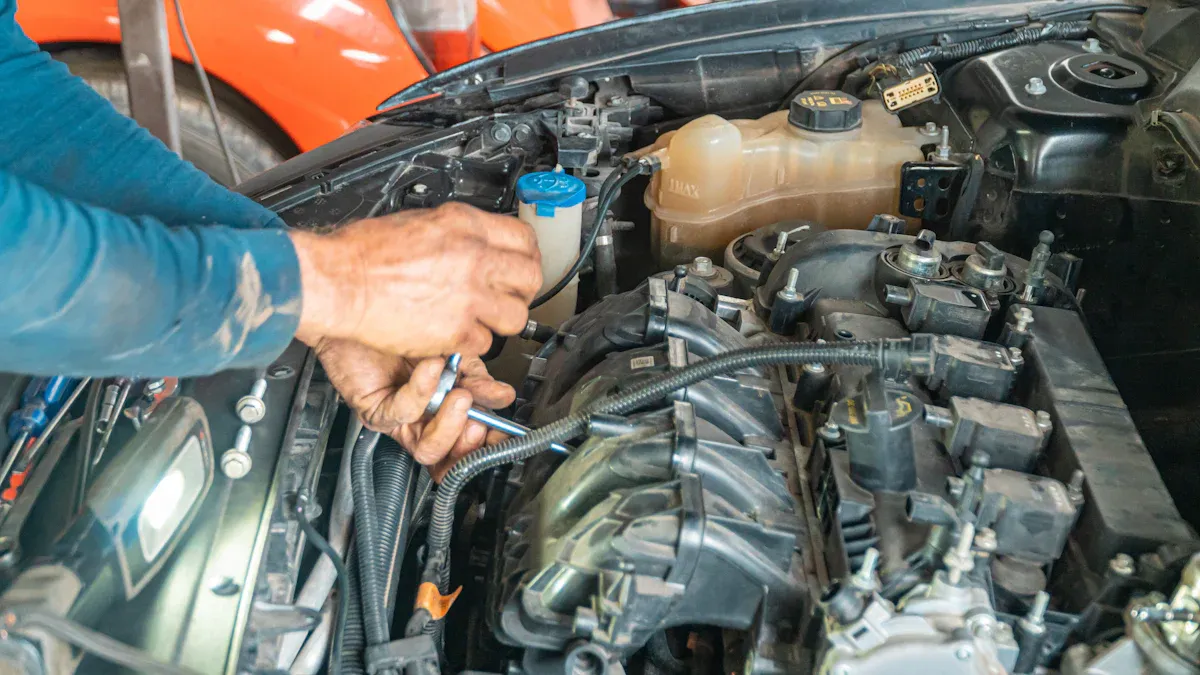
You have learned about the many causes of timing chain noise. Now, you need to know what to do when you hear it. Acting quickly can save your engine from serious damage.
Immediate Steps When You Hear Noise
You hear a metallic rattling or clattering sound. This often happens on cold mornings. You must get your vehicle checked right away. Even if the rattling fades after a few seconds, do not ignore it. This sound is a clear warning. If a check engine light appears with other symptoms, do not just clear the code. You need a proper diagnosis from a mechanic. Book an inspection promptly. This prevents more significant problems.
Consider a customer with a Nissan Altima. They ignored a rattling noise. They thought it was minor. Two weeks later, the timing chain slipped. This turned a potential $150 fix into a $2,800 engine rebuild. This story highlights the importance of immediate action. You must address any timing chain noise right away.
Importance of Professional Diagnosis
You might think you can diagnose the issue yourself. However, timing chain problems are often complex. They require specialized knowledge and tools. Professional mechanics use advanced diagnostic equipment. This equipment scans your engine status. It detects early signs of timing chain wear. They also use specialized tools for Variable Valve Timing (VVT) systems. These tools help identify the exact source of timing chain noises. A professional can accurately pinpoint the problem. They can tell you if it is a worn chain, a failing tensioner, or another issue. This precise diagnosis ensures you get the correct repair. It prevents unnecessary work or further damage.
Consequences of Ignoring Engine Rattles
You might be tempted to ignore a persistent engine rattle. This is a dangerous choice. Ignoring timing chain rattle can lead to significant engine damage.
A worn timing chain, even with an 1/8 inch stretch, is considered problematic. If the chain is excessively loose, it can cause cam sprocket teeth to break. Some mechanics might wait until the chain completely breaks before replacement, but preventative maintenance is advised to avoid such issues.
If a timing chain or gear breaks, engine damage will occur. This can mean bent valves, damaged pistons, or even a completely ruined engine. These repairs are extremely costly. They often involve rebuilding or replacing the entire engine. You can avoid these severe outcomes. You just need to address the initial warning signs. Early intervention saves you money and keeps your vehicle reliable.
You must not ignore any engine noises. A rattling sound signals serious underlying engine problems. These issues often involve wear, tension, and lubrication. Regular oil changes with the correct oil prevent excessive wear. You must seek professional inspection for timing chain problems. This prevents catastrophic engine wear and costly repairs. Listen to your engine noises.
FAQ
❓ Can I drive my car if I hear timing chain noise?
No, you should not drive your car. Driving with timing chain noise can cause severe engine damage. This damage can lead to very expensive repairs. You should get your car inspected immediately.
💰 How much does it cost to replace a timing chain?
The cost varies greatly. It depends on your car’s make and model. It also depends on the extent of the damage. You can expect to pay anywhere from $1,000 to $3,000 or more. This includes parts and labor.
🗓️ How often should I replace my timing chain?
Timing chains are designed to last the life of your engine. You usually do not need to replace them. However, poor maintenance or specific issues can cause early wear. Always follow your car’s service schedule.
⛓️ What is the difference between a timing chain and a timing belt?
A timing chain is a metal chain. It lasts longer. A timing belt is a rubber belt. It needs regular replacement, usually every 60,000 to 100,000 miles. Both synchronize engine parts.
🛠️ What happens if my timing chain breaks?
If your timing chain breaks, your engine will stop working. Pistons can hit valves. This causes major internal engine damage. You will need a costly engine rebuild or replacement.



