


Driving with a malfunctioning car AC in hot weather is truly uncomfortable. A bad ac expansion valve is a common culprit behind inconsistent or poor cooling performance. This small but mighty component acts as the gatekeeper, controlling refrigerant flow into your evaporator. Ignoring these issues can lead to more expensive repairs. The average cost for car AC repair due to a malfunctioning expansion valve, including both parts and labor, typically falls within the range of $350 to $450. You will learn about 11 crucial ac expansion valve symptoms in this guide. These signs will help you diagnose this specific problem.
Key Takeaways
A bad AC expansion valve causes many car AC problems. It controls how much refrigerant goes into the AC system.
Watch for signs like inconsistent cooling, no cold air, or strange noises. These can mean your expansion valve is faulty.
Ignoring a bad expansion valve can lead to more expensive repairs. It can damage other parts, like the compressor.
Professional diagnosis is important. Mechanics use special tools to find the exact problem and fix it correctly.
Understanding Your AC Expansion Valve
What is an AC Expansion Valve?
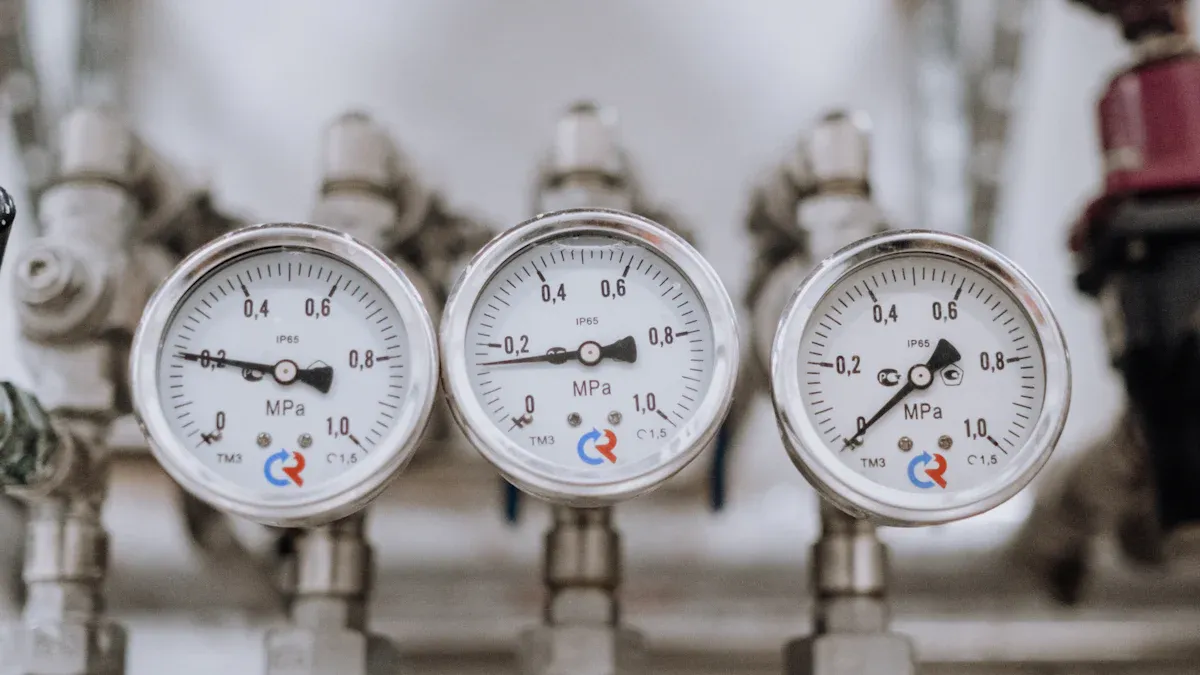
You might wonder what an AC expansion valve is. It is a small but vital part of your car’s air conditioning system. Think of it as a precise gatekeeper. This valve controls how much refrigerant enters the evaporator. The main body of the valve is often brass, with an inlet and an outlet. Inside, you find several key parts: a valve body, a flexible diaphragm, and a sensing bulb. A spring helps regulate its opening or closing.
The needle and seat components directly control the refrigerant flow. A removable cartridge with an orifice also helps manage this flow. The sensing bulb, filled with a special refrigerant, tells the valve what to do. It connects to a powerhead via a coiled capillary tube.
How the AC Expansion Valve Works
The AC expansion valve works by regulating refrigerant flow. It is a crucial pressure valve that helps transfer heat efficiently. The valve automatically adjusts the amount of refrigerant going into the evaporator coil. It uses a temperature-sensing bulb for this. This bulb contains a gas or liquid similar to the system’s refrigerant. As the temperature on the bulb rises, it causes the valve’s opening to open against spring pressure.
This increases refrigerant flow. When the suction line temperature drops, the pressure in the bulb also decreases, making the valve close. This process ensures the correct amount of superheat in the refrigerant. Maintaining proper superheat is essential for optimal cooling performance. The valve ensures the refrigerant leaves the evaporator with a specific superheat. This prevents liquid refrigerant from returning to the compressor. Too much superheat means less efficient cooling.
Too little superheat can harm the compressor. The valve constantly adjusts to maintain the ideal superheat. This precise control of superheat is key. It ensures the refrigerant absorbs maximum heat. The valve’s ability to manage superheat directly impacts your AC’s efficiency. It keeps the superheat at a safe and effective level.
Why it’s Crucial for AC Performance
The expansion valve is crucial for your AC’s cooling performance. Without it, too much refrigerant would flood the evaporator coil, severely damaging your air conditioner. When the AC expansion valve fails to regulate flow, it creates an imbalance. This puts extra strain on other parts, especially the compressor. This imbalance can lead to frost formation on the evaporator. It can also cause the engine to overheat because the compressor works harder. A faulty valve can also worsen refrigerant leaks, leading to lower refrigerant levels.
Ultimately, a failure in this valve can cause compressor issues. It can even lead to complete compressor failure. This failure also reduces fuel efficiency. Your engine works harder to compensate. Early detection of a failure is vital. It prevents more costly repairs and ensures your air conditioning system works well.
11 Key AC Expansion Valve Symptoms
You need to recognize the specific ac expansion valve symptoms to diagnose problems early. These signs tell you when your AC system is not working right.
Inconsistent AC Cooling
You might notice your car’s AC blows cold air sometimes, but then it becomes warm. This is inconsistent AC cooling. It means your air conditioning system struggles to maintain a steady temperature. A faulty expansion valve often causes this. It cannot properly regulate the necessary amount of refrigerant. Incorrect refrigerant levels, either too low or too high, restrict the expansion valve’s ability to function correctly for cooling.
This leads to erratic air vent temperatures. The valve might be partially blocked or sticking. This prevents a consistent flow of refrigerant to the evaporator. Your superheat levels will fluctuate, making your cooling performance unreliable.
No Cold Air from AC
If your AC blows only warm or ambient air, your expansion valve might be stuck closed. When the valve is stuck closed, it severely restricts or completely stops refrigerant flow to the evaporator. The refrigerant cannot absorb heat from the cabin. This means you get no cold air. Your AC compressor will run, but it cannot cool the air. This condition results in very high superheat because no refrigerant is reaching the evaporator to cool down.
AC System Freezing Up
You might see ice on your AC lines or feel very little airflow. This indicates your AC system is freezing up. A faulty expansion valve can disrupt the proper flow of refrigerant. This improper flow can lead to the air conditioner icing up. The refrigerant isn’t circulating as it should to absorb heat effectively. While the expansion valve does not directly control evaporator temperature, its malfunction can cause issues. It can lead to low superheat at the evaporator outlet. This allows liquid refrigerant to enter the suction line. This can cause frost to form on the evaporator coil. This frost then blocks airflow.
Hissing or Squealing from Vents
Do you hear a hissing or squealing sound coming from your dashboard vents? This is a common sign of a bad expansion valve. A malfunctioning expansion valve, specifically one that gets stuck or fails, creates a bottleneck. This forces refrigerant through a significantly smaller opening than intended. This generates a distinct hissing noise due to the resulting pressure imbalance. If the thermostatic expansion valve is stuck or damaged, it can lead to a hissing sound near the indoor unit. This sound happens as high-pressure refrigerant tries to squeeze through a restricted opening. This indicates an issue with refrigerant flow and superheat regulation.
AC Compressor Constantly Running
Your AC compressor should cycle on and off to maintain temperature. If it runs constantly, your expansion valve might be faulty. The compressor works harder to compensate for poor cooling performance. This happens because the expansion valve is not allowing enough refrigerant into the evaporator. The system cannot reach the desired temperature. This keeps the compressor engaged. This continuous operation can lead to premature wear and tear on the compressor. It also means your superheat is likely too high, as the system struggles to cool.
High Side Pressure Too High, Low Side Too Low
When you check your AC system pressures, you might find the high side pressure is unusually high, and the low side pressure is too low. This indicates a restricted expansion valve. The valve is not opening enough. It prevents refrigerant from flowing into the evaporator. This causes a buildup of pressure on the high side. It also starves the low side. This condition leads to very high superheat at the evaporator outlet. Your cooling performance will be very poor.
Low Side Pressure Too High, High Side Too Low
Conversely, if your low side pressure is too high and your high side pressure is too low, your expansion valve might be stuck open. A valve stuck open allows too much refrigerant to flood the evaporator. This reduces the pressure difference across the system. This can cause liquid refrigerant to return to the compressor. This condition results in very low superheat. It can even lead to compressor damage. Your cooling performance will suffer because the refrigerant cannot properly absorb heat.
Frost on the Expansion Valve
You might visually inspect your expansion valve and see frost forming on its body. This is a clear indication of a problem. Frost on the expansion valve often points to restricted flow. This can happen due to insufficient refrigerant, which leads to frost gradually forming from the throttle valve to the evaporator. An expansion valve opened too narrowly also causes this. You will see frost gradually forming from the throttle valve to the evaporator. A blocked expansion valve can also cause frost. This blockage creates a significant temperature difference. This frost indicates that the refrigerant is expanding too early or too much at the valve itself. This disrupts the proper superheat control.
Reduced Airflow from Vents
If you feel less air coming from your vents, it could be an indirect symptom. A faulty expansion valve can cause the evaporator coil to frost over. This frost acts as an insulator. It also physically blocks the fins of the evaporator. This restricts the air moving through it. The fan motor works harder, but less air reaches you. This reduced airflow directly impacts your comfort and the system’s cooling performance. The frost buildup is a direct result of improper superheat management.
AC System Leaks (Refrigerant or Oil)
While an expansion valve itself might not “leak” refrigerant in the traditional sense, it can contribute to system leaks. An aged, damaged, or improperly installed valve seal ring can cause refrigerant leakage. This leads to decreased cooling capacity. A failing expansion valve is also commonly associated with compressor oil buildup or “oil-logging.” This happens when excessive compressor oil or liquid refrigerant mixes with oil. This oil then migrates to the expansion valve. It forms deposits that restrict refrigerant flow. These restrictions reduce the interior dimensions of the valve. This decreases the volume of refrigerant that can pass through. This impacts superheat and overall system efficiency.
Musty or Moldy AC Vent Smell
A persistent musty or moldy smell from your AC vents can also be one of the ac expansion valve symptoms. When the expansion valve malfunctions, it can lead to improper drainage of condensation from the evaporator. If the evaporator freezes due to poor superheat control, the melted frost might not drain properly. This creates a damp environment. Mold and mildew thrive in these conditions. This results in an unpleasant odor. This smell indicates a moisture problem within your AC system.
Diagnosing a Faulty Expansion Valve

Interpreting AC Expansion Valve Symptoms
You have learned about the specific ac expansion valve symptoms. Now, you need to understand what these signs mean together. No single symptom always points to just one problem. Instead, you look for patterns. For example, if you have inconsistent AC cooling, no cold air, and high side pressure too high, these symptoms strongly suggest a restricted or stuck-closed expansion valve. If you see frost on the expansion valve itself and experience reduced airflow, this also points to a restriction or improper superheat control.
When you are diagnosing a faulty expansion valve, you must consider the whole picture. A valve stuck open often leads to low side pressure too high and high side pressure too low. This can also cause the AC system to freeze up. These patterns help you differentiate an expansion valve issue from other common ac problems. For instance, a refrigerant leak might cause low cooling, but it usually does not lead to the specific pressure imbalances or freezing patterns seen with a faulty expansion valve. Proper diagnosing often involves checking pressure gauges and superheat readings. These readings give you clear data about the refrigerant’s state. This helps confirm your suspicions about the valve’s failure.
Common Causes of Expansion Valve Failure
Understanding why an expansion valve fails helps you prevent future issues. Several factors contribute to the failure of this critical component.
Here are the most common causes of expansion valve failure:
Contaminants in the System: Dirt, metal flakes, or moisture can build up inside the valve. This debris obstructs the valve. It stops refrigerant flow and reduces cooling performance. This is a frequent cause of
failure.Wear from Long-Term Use: Internal parts of the valve wear down over time. Heat and pressure changes cause this degradation. You typically see this
failurein systems 8 to 10 years old or older.Refrigerant Problems: Using the wrong type of refrigerant or having incorrect levels (too low or overcharged) creates pressure issues. These issues compromise valve performance and lead to
failure.Poor Installation or Service: Incorrect installation, like improper tightening, can deform internal parts. This prevents the valve from sealing or working correctly from the start. This can lead to immediate
failure.
Each of these causes can lead to a failure in the valve’s ability to regulate superheat. This impacts the entire AC system. Recognizing these causes is key for effective troubleshooting and repair.
Why Early Detection Matters
You might think a little AC problem is not a big deal. However, early detection of a faulty expansion valve is crucial. Ignoring the early signs of failure can lead to much bigger and more expensive problems. When you delay diagnosing and repairing a faulty expansion valve, you put continuous strain on other AC components. This accelerates wear and tear. It can lead to premature failure of parts like the compressor, which is very costly to replace.
Consider these long-term consequences of delaying repairs:
Reduced HVAC System Lifespan: Your entire AC system’s operational life shortens. This means you might need to replace parts or even the whole system much sooner than expected.
Compromised Comfort and Frustration: Your car’s AC struggles to maintain a comfortable temperature. You experience uneven cooling, poor airflow, or strange noises. These issues often happen at the worst times.
Health Risks: An improperly working AC system can affect air quality. If the system cannot dehumidify properly due to
superheatissues, mold can grow. This can trigger allergies or breathing problems.Voided Manufacturer’s Warranty: Most AC warranties require regular maintenance. They also require prompt service for identified problems. Operating a system with a known
failurecan void your warranty. This leaves you responsible for all repair costs.
Early troubleshooting and diagnosing a faulty expansion valve save you money and keep your AC running efficiently. Do not wait for a complete failure. Address these symptoms promptly. This ensures your comfort and the longevity of your AC system.
When to Seek Auto AC Repair
Importance of Professional Diagnosis
You might notice your AC acting strangely. A professional diagnosis is crucial. Mechanics use specialized tools to pinpoint the exact problem. They interpret superheat, subcool, and temperature split readings. These readings tell them how your refrigerant works. They also check airflow before replacing parts. This ensures they fix the right issue. Professionals perform practical tests to tell airflow problems from expansion valve failure. They verify their diagnosis using heat mode operation. They can even do a ‘bulb removal test’ to check the valve’s mechanical function. They check for power to the control board and inspect wiring connections. They listen for the valve’s operating sound. This is a soft clicking or buzzing. They measure the system’s superheat. They compare it to expected values. They also check for blockages inside the valve. These can be dirt, oil, or debris. They use the system’s diagnostic mode to manually open or close the valve. This thorough diagnosing ensures correct auto ac repair.
Risks of DIY Expansion Valve Repair
You might think about fixing your AC yourself. However, DIY expansion valve replacement carries many risks. You face exposure to hazardous components. These include electrical wiring and refrigerants. This can lead to electrical shocks, burns, or harmful chemical exposure. There is a risk of dangerous gas leaks if you mishandle refrigeration lines. You could void your warranty. Manufacturers often require professional auto ac repair. This leaves you responsible for all future costs.
Costly mistakes are common. You might accidentally short the entire unit. You could damage major components like the condenser. This leads to expensive replacement or a shorter system lifespan. Electrical hazards, like electrocution, are possible. Fire risks come from improper wiring. Mishandling chemical refrigerants is dangerous. They are toxic and harmful to the environment. You could make the AC more broken. Modern systems are complex. Untrained individuals often cause further damage. This leads to more expensive auto ac repair. Improper auto ac maintenance can also reduce system efficiency.
What to Expect During Repair
When you take your car for auto ac repair, expect a clear process. The mechanic will confirm the expansion valve failure. They will then proceed with the replacement. Replacing an AC expansion valve typically costs between $100 and $700. This includes parts and labor. The repair project is generally quick.
It usually takes only a few hours to complete. Your mechanic will remove the old valve. They will install a new one. They will then recharge your AC system with refrigerant. They will test the system to ensure it works correctly. This ensures your AC blows cold air again. This professional auto ac repair ensures your system runs efficiently.
Ignoring ac expansion valve symptoms can lead to more extensive and costly auto ac repair. You must address these warning signs promptly. This ensures your comfort and the longevity of your air conditioning system. Timely auto ac repair prevents bigger problems. For accurate diagnosis and effective auto ac repair, consult a qualified mechanic. They provide expert auto ac repair. Do not delay necessary auto ac repair. This ensures reliable auto ac repair. Your car deserves quality auto ac repair. Regular auto ac maintenance also helps. It keeps your cooling performance optimal. Prioritize your auto ac repair needs for a comfortable ride.



