Power steering makes turning your car effortless. This crucial steering technology greatly improves ease of driving in modern vehicles. You primarily encounter two types of power steering: hydraulic power steering and electric power steering. This article details 10 huge differences between these steering systems.
We highlight their impact on vehicle performance, your driving experience, and overall ownership. Both electric power steering and hydraulic power steering systems assist your steering. However, their underlying technology and implications for your vehicle vary significantly. Understanding these power steering differences is key.
Key Takeaways
Hydraulic power steering uses fluid and an engine pump. It constantly uses engine power. This can make your car use more gas.
Electric power steering uses an electric motor. It only uses power when you turn the wheel. This helps your car save gas.
Hydraulic steering gives you a strong feel for the road. Electric steering can change how it feels. It can be light or heavy.
Hydraulic systems need fluid checks and can leak. Electric systems do not use fluid. They need less maintenance.
Electric power steering works with new car features. These include self-parking. Hydraulic steering cannot do this easily.
1. Core Power Steering Mechanism
Hydraulic System Operation
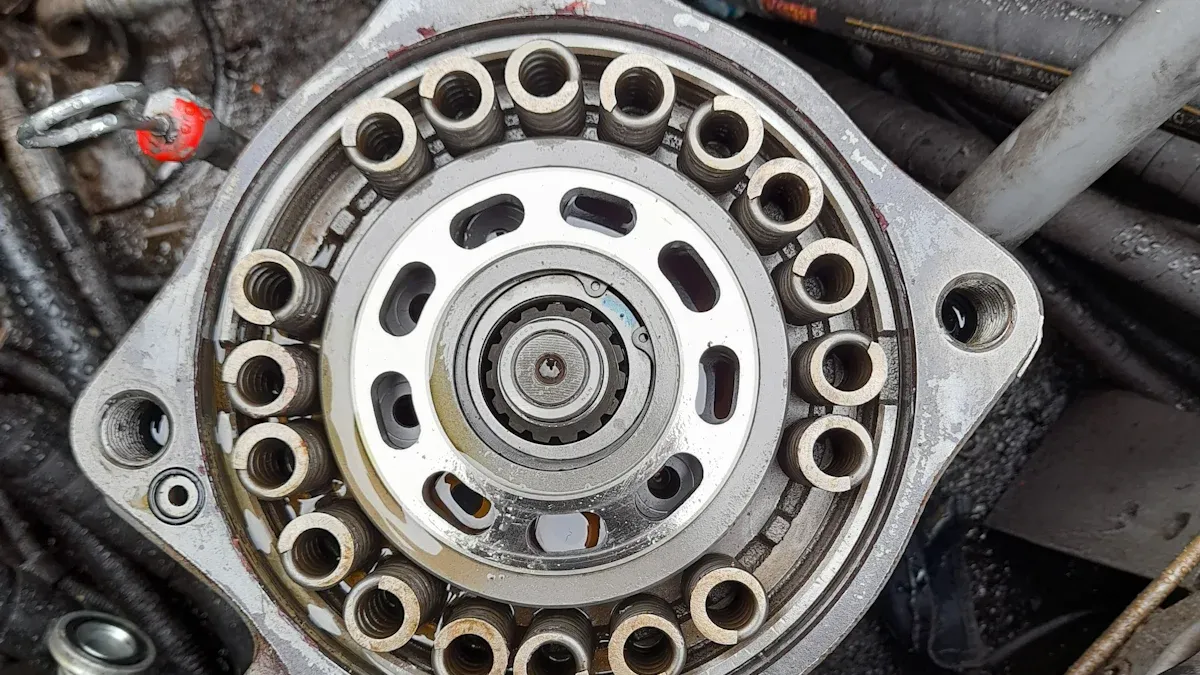
Your car’s hydraulic power steering system uses fluid pressure to help you turn the wheels. An engine-driven power steering pump is a key component. This pump generates hydraulic pressure by converting the engine’s mechanical energy. It moves power steering fluid from a reservoir. The fluid reservoir holds extra fluid. It also allows for thermal expansion and separates air bubbles. This reservoir ensures a consistent and sufficient supply of power steering fluid. This specialized fluid transmits pressure throughout the system. It also lubricates internal components for smooth operation.
Pressure hoses, designed to withstand high pressures, transport this fluid. They connect the pump to the steering gearbox or rack and pinion assembly. A control valve then regulates the hydraulic fluid flow. It responds to your steering wheel movements. This valve diverts fluid to the steering cylinder. It meters the fluid volume based on how much you turn the steering wheel. The steering cylinder then converts this pressurized fluid into mechanical force. This force applies between the axle housing and steering arm. It helps you assist in adjusting your steering position. This traditional hydraulic power steering setup provides a connected feel.
Electric System Operation
Electric power steering operates without hydraulic fluid or an engine-driven pump. Instead, an electric motor provides direct assistance. This motor connects to your steering rack or steering column. Sensors detect your steering wheel movements.
The electric motor then applies torque. This torque helps you turn the wheels. This electric power steering system is not physically connected to the engine in the same way hydraulic systems are. It offers precise control over your steering. This electric design simplifies the overall steering system. You will find this type of power steering in most modern cars.
2. Power Source
Engine-Driven Hydraulic Pump
Your car’s hydraulic power steering system gets its energy directly from the engine. An engine-driven pump constantly works. This means the pump draws power from your engine all the time. It creates a parasitic load. This load exists even when you drive straight and do not turn the steering wheel. For example, a hydraulic pump can require around 8.5 horsepower to operate at certain pressures. It might need about 17.8 ft-lb of torque. This constant power draw affects your car’s overall efficiency. The hydraulic system needs this continuous energy to maintain fluid pressure. This ensures immediate steering assistance when you need it. This constant demand for power is a key characteristic of hydraulic power steering.
Electric Motor Power
Electric power steering operates differently. It draws its power from your car’s electrical system. An electric motor provides assistance only when you need it. When you turn the steering wheel, sensors detect your input. The electric motor then activates. It uses electricity from the vehicle’s battery and alternator.
This on-demand power delivery is a major advantage. It means the system does not constantly drain power from your engine. This smart control helps improve your car’s fuel economy. This electric system offers a more efficient way to provide power steering assistance.
3. Fluid Requirements

Hydraulic Fluid Dependence
Your car’s hydraulic power steering system relies heavily on power steering fluid. This fluid is essential for generating the pressure that assists your steering. It also lubricates the internal components of the hydraulic systems. Without this fluid, the system cannot function. You need to check this fluid regularly. Leaks are a common issue with hydraulic power steering. Hoses can crack, seals can wear out, or the pump itself can fail. A leak means you lose fluid, which can lead to a loss of power steering assistance.
You will find different types of hydraulic power steering fluid.
Automatic Transmission Fluid (ATF): Older cars often use this. It provides good lubrication but is not specifically for steering.
Dedicated Power Steering Fluid: Manufacturers design this fluid specifically for power steering systems. It contains additives to protect seals and prevent foaming.
Synthetic Power Steering Fluid: This fluid offers superior performance in extreme conditions. It lasts longer than conventional fluids.
You should also follow recommended service intervals for fluid changes.
General Rule: Change the fluid every 50,000 miles or 4-5 years for normal driving.
Older Vehicles or Severe Conditions: Consider changing it more often, around 30,000 miles.
Manufacturer Recommendations: Always follow your car’s specific intervals.
Racing Vehicles: These require very frequent changes, sometimes every few thousand laps.
Fluid-Free Electric Steering
Electric power steering eliminates the need for any fluid. This is a significant difference. You do not have to worry about fluid levels, leaks, or fluid changes. This simplifies the entire steering system. It also removes a potential point of failure. The absence of fluid makes the electric power steering system cleaner and requires less maintenance. This design contributes to the overall reliability of the steering system in your car.
4. Fuel Economy Impact
Hydraulic’s Constant Load
Your car’s hydraulic power steering system constantly impacts fuel economy. The engine-driven pump creates a continuous parasitic load. This means the pump always draws power from your engine. It does this even when you drive straight.
This constant energy drain reduces your overall fuel economy. Hydraulic steering consumes fuel at a rate of 0.35 L/100 km. This continuous demand affects how efficiently your car uses fuel. You will notice this impact on your gas mileage. This traditional power steering setup always works. The hydraulic power steering system requires constant power. This affects the overall efficiency of your vehicle. These hydraulic systems contribute to higher fuel consumption.
Electric’s Efficient Demand
Electric power steering offers a more efficient solution. It only draws power when you need assistance. Sensors detect your steering input. An electric motor then provides the necessary help. This on-demand system significantly improves fuel economy. Electric power steering (EPS) can reduce fuel consumption by up to 10% compared to conventional hydraulic systems. EPS consumes an infinitesimal 0.02 L/100 km. This difference translates to an approximate gain of almost 1 mpg. Switching from hydraulic to electric power steering can result in a fuel economy improvement of approximately 0.1-0.3 L/100km.
This translates to a 1-3% improvement in fuel efficiency. This smart electric power steering design contributes to better gas mileage. It also offers consistent performance. This modern steering technology enhances your driving experience. It provides excellent responsiveness. You get a more efficient power steering system.
5. Steering Feel and Feedback
This section explores how each power steering system feels when you drive. It is about your subjective experience behind the wheel.
Hydraulic’s Connected Feel
Your car with hydraulic power steering often provides a traditional feel. You experience a heavier, more direct road feedback. This type of power steering connects you closely to the road surface. You can feel the nuances of the road through the steering wheel. Many drivers prefer this “connected” sensation. It gives you a strong sense of control.
This direct feedback is why some heavy-duty vehicles still use hydraulic systems. They need robust and predictable steering. This hydraulic steering system offers consistent resistance. It helps you feel more engaged with the driving experience.
Electric’s Tunable Feedback
Electric power steering offers a different experience. Its feel can be electronically tuned. This means your car can adjust the steering effort. You might find different driving modes, like “comfort” or “sport.” In comfort mode, the steering feels lighter. In sport mode, it becomes heavier. This electric system gives you flexibility. However, some drivers find the feedback less direct. The electric motor provides assistance.
This can sometimes filter out subtle road sensations. This power steering system uses sensors and software. It allows for advanced features. These features include variable steering ratios. This means the steering can respond differently at various speeds. This modern steering system adapts to your driving needs.
6. Maintenance Needs
Hydraulic System Maintenance
Your car’s hydraulic power steering system requires regular attention. You must check the power steering fluid level often. This ensures proper operation. A fluid flush and top-off is a common task. Experts recommend this every 30,000 to 50,000 miles. You might need it sooner if you tow heavy loads or drive in stop-and-go traffic. Manufacturers often suggest a 2- to 4-year schedule. A shop-performed flush costs about $170–$205. You can buy DIY fluid for $10–$50.
You also need to watch for leaks. Hoses can crack or wear out. You should replace power-steering hoses at the first sign of cracking or seepage. Low-pressure return lines cost $100–$300 to replace. High-pressure supply hoses are more expensive, costing $300–$800. A failing pump is another issue.
A complete pump replacement costs $668–$941. This includes parts and labor. The rack-and-pinion assembly can also need repair. This repair costs $710–$2,420. General power steering service, including fluid and inspection, costs $100 to $250. If you have leaks or a failing pump, costs can rise to over $1,000. You should service your hydraulic steering system every 30,000 to 60,000 miles. If you drive less, service it every 2–3 years.
Electric System Maintenance
Electric power steering systems are much simpler to maintain. You do not need to check or change any fluid. This eliminates common issues like leaks and fluid contamination. The electric power steering system has fewer moving parts than a hydraulic system.
This means fewer components can wear out or break. You typically only need to inspect the electrical connections and the motor itself. This makes electric systems generally more reliable. You will find maintenance for electric steering is significantly lower. This reduces your long-term ownership costs.
7. System Complexity
This section compares the number and type of components in each power steering system. You will see how different they are.
Hydraulic’s Mechanical Complexity
Your car’s hydraulic power steering system is generally more complex. It uses many mechanical parts. This increased complexity means hydraulic systems often take up more space under your hood. You will find several key components working together. These include:
Power Steering Pump
Rack and Pinion Assembly
Steering Coupler
Power Steering Lines
Power Steering Reservoir
Power Steering Fluid
Tie Rods
Steering Knuckles and Wheels
This hydraulic system relies on many moving parts. The pump creates pressure. Hoses carry fluid. The reservoir holds extra fluid. All these parts must work perfectly for your steering to function. This makes the hydraulic power steering system intricate.
Electric’s Electronic Simplicity
Electric power steering offers a much simpler design. It uses fewer parts. An electric power steering (EPS) system mainly uses an electric motor. This motor helps you turn your car. You can find this motor on the steering rack or the steering column. Sensors work with the motor. These sensors measure the force you apply to the steering wheel. They figure out how much help you need to turn the front wheels. This electric system also includes an Electronic Control Unit (ECU). The ECU acts like the brain of the system. It processes information from the sensors. Then, it tells the electric motor what to do. This design makes the electric power steering system less cluttered. It has fewer mechanical parts than a hydraulic system.
8. Vehicle Weight
Hydraulic System Weight
Your car’s hydraulic power steering system adds significant weight. This weight comes from several components. You have the power steering pump itself. This pump is a mechanical device. It needs to be robust. Then, you add the power steering fluid. This fluid fills the reservoir and all the hoses. Fluid has weight. The hoses are often thick and reinforced. They must handle high pressure. The reservoir also adds weight.
All these parts contribute to the overall mass of your vehicle. This extra weight can slightly impact your car’s performance. It can also affect fuel efficiency. The hydraulic power steering system is heavier than its electric counterpart.
Electric System Weight
Electric power steering offers a lighter solution. This system does not use a heavy pump. You also do not need power steering fluid. There are no fluid hoses or a reservoir. These absences make the electric power steering system much lighter.
The main components are an electric motor, sensors, and an Electronic Control Unit (ECU). These parts weigh less than the full hydraulic setup. This lighter design helps reduce the overall weight of your vehicle. A lighter car can offer better fuel economy. It can also improve handling and acceleration. This modern steering technology helps you achieve better vehicle performance. It gives you precise control without the added bulk.
9. Advanced Steering Features
Hydraulic’s Feature Limitations
Your car’s hydraulic power steering system faces challenges with modern technology. It has limited ability to integrate with advanced driver-assistance systems (ADAS). These features help you drive more safely and conveniently. Hydraulic power steering is mechanical. This makes it difficult to connect with complex electronic controls.
ADAS features need precise, automated steering adjustments. Hydraulic technology cannot provide this level of control. For example, ADAS relies on Electric Power Steering (EPS) technology. Without EPS, ADAS functions like self-parking and fully autonomous driving are not possible.
This indicates that ADAS features requiring precise, automated steering adjustments are incompatible or difficult to integrate with hydraulic power steering systems. The traditional hydraulic setup simply lacks the electronic interface needed for these smart functions. This limits the advanced capabilities your vehicle can offer. You cannot easily add features that require the car to steer itself.
Electric’s Integrated Capabilities
Electric power steering changes everything for advanced features. Its electrical nature allows seamless integration with many modern vehicle technologies. This means your car can offer you many helpful driving aids. The electric motor in the steering system can receive commands directly from the vehicle’s computer. This allows for precise and automatic steering adjustments. Electric power steering systems work perfectly with features like:
Park Assist
Lane Keeping
Lane Departure Warnings
Wheel Imbalance Rejection
Trailer Assist
Traffic Jam Assist
Lane Keeping Assist (LKA)
Automatic Parking Assist (APA)
Traffic Jam Assist (TJA)
Hands-Off Detection (HOD)
You also get variable steering ratios. This means the steering can feel lighter at low speeds for easy parking. It can feel heavier at high speeds for better stability. This electric power steering is essential for the future of automotive technology. It enables a more intelligent and responsive driving experience. These capabilities are a major reason why manufacturers prefer electric steering.
10. Repair Costs and Diagnostics
Hydraulic Repair Expenses
Your car’s hydraulic power steering system can face several common issues. These problems often lead to repair expenses. A power steering pump leak can cost you around $200 to $220 to fix. If you have a power steering line leak, expect to pay between $60 and $150. Replacing a hose also falls in this $60 to $150 range. Sometimes, you might need a total power steering system replacement.
This can cost you $500 to $650. Labor costs also add to the bill, typically $40 to $200 per hour. The average cost to repair a power steering fluid leak ranges from $500 to $650. The final price depends on the specific parts that need replacement. This could be a single component or the entire system.
Electric Repair Complexity
Electric power steering systems generally require repairs less often. However, when they do need fixing, the costs can be higher. This is because electric systems use specialized electronic components. These parts are often more expensive than traditional hydraulic components. You also need specific diagnostic tools to identify problems in an electric system. This can make the repair process more complex. Technicians need special training to work on these advanced systems. While you might pay more for an electric power steering repair, you will likely encounter these issues less frequently. This contributes to the overall reliability of your vehicle.
You now understand the 10 huge differences between electric and hydraulic power steering systems. The automotive industry clearly favors electric power steering. Its many advantages, including better fuel economy and enhanced performance, make it superior to hydraulic steering.
The disadvantages of hydraulic power steering, like constant engine load, are clear. While electric systems are the standard, hydraulic steering still offers a distinct, connected feel. Some drivers prefer this power steering for their car or heavy-duty hydraulic systems. Understanding these power steering technology differences empowers you. You make informed decisions about your driving experience and vehicle.