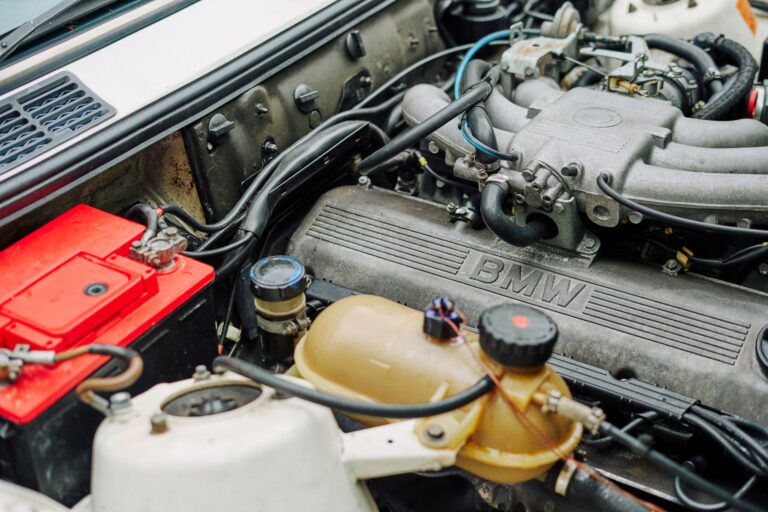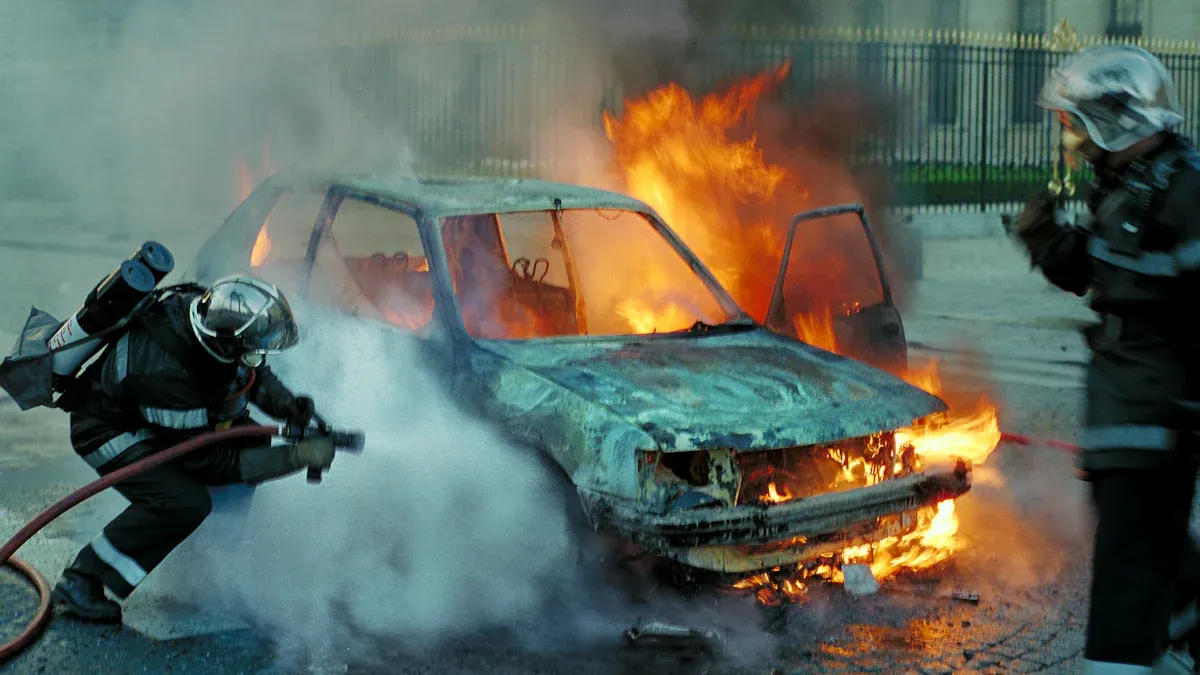
You see blue smoke from exhaust. This sight immediately signals a serious issue. This means your engine is burning oil. This symptom signals significant engine problems, such as worn piston rings or a faulty PCV valve. You must address this quickly. Ignoring it prevents further damage and costly repairs.
Key Takeaways
Blue smoke from your car’s exhaust means your engine is burning oil. This is a serious warning sign.
Burning oil can damage your engine. It creates carbon buildup and wears down parts faster.
Many things can cause blue smoke, like worn piston rings, bad valve seals, or a faulty turbocharger. Each problem needs a specific fix.
You should not ignore blue smoke. Get your car checked by a mechanic quickly to avoid bigger, more expensive repairs.
Regular oil changes, checking oil levels, and fixing small leaks help prevent blue smoke and keep your engine healthy.
Understanding Blue Smoke: A Critical Warning for Your Smoking Car
What Blue Smoke Signifies
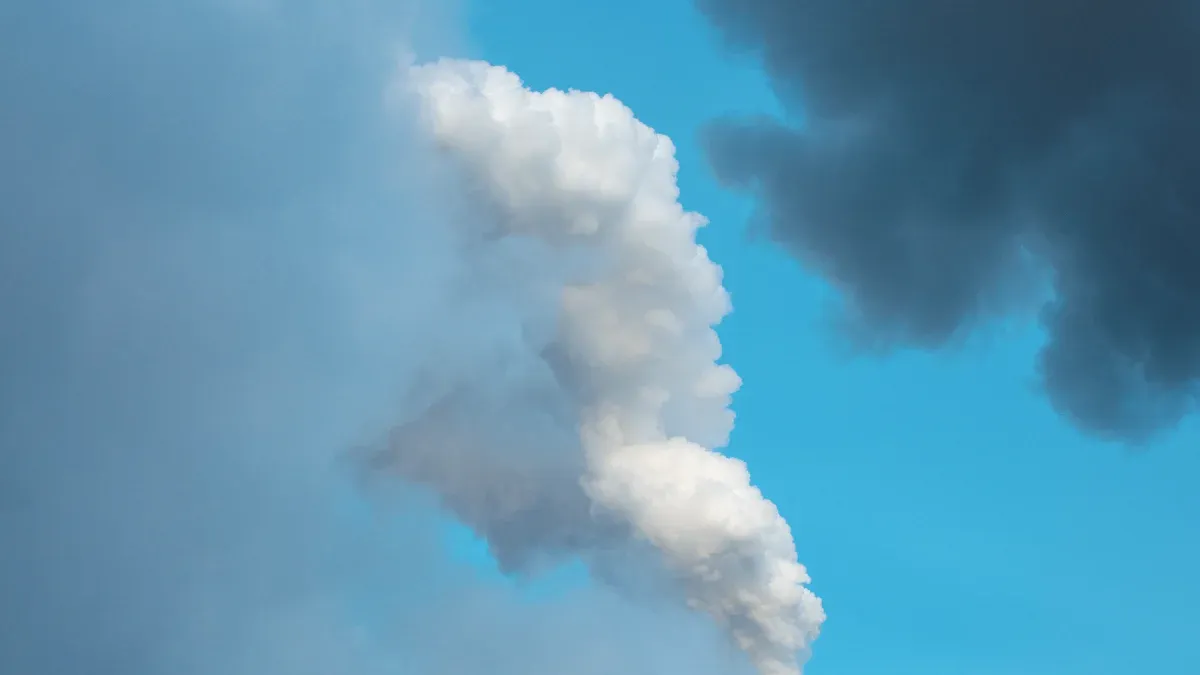
When you see blue smoke from exhaust, your car sends a clear message. This distinct blue smoke means your engine burns oil. It is not water vapor, which appears white. It is also not unburnt fuel, which looks black. This specific color indicates oil combustion. A smoking car always signals underlying engine problems.
You must recognize this as a critical warning. It demands your immediate attention. Ignoring this symptom can lead to much larger, more expensive issues down the road. It tells you that engine oil has entered the combustion chamber. This should not happen in a healthy engine.
Why Burning Oil Harms Your Engine
Burning oil causes significant damage inside your engine. As oil burns, it leaves behind hard carbon deposits. These deposits accumulate on vital components. They coat pistons, valves, and spark plugs. This buildup reduces engine efficiency. It also clogs emission control systems like the catalytic converter. This can lead to expensive repairs for those parts. Your engine loses proper lubrication. This happens because the oil level drops. Reduced lubrication increases friction between moving parts. Increased friction generates more heat. This accelerates wear on bearings, cylinder walls, and piston rings. Over time, this wear degrades engine performance. It also shortens your engine’s lifespan. Furthermore, burning oil contaminates your engine’s remaining oil. This reduces its protective qualities. Ultimately, continuous burning oil can lead to severe engine damage. You risk costly repairs or even complete engine failure.
10 Engine Failures Causing Blue Smoke
You now understand why burning oil is bad for your engine. Let’s explore the specific engine failures that cause this problem. Each issue allows oil to enter the combustion chamber or burn on hot engine parts. This leads to that tell-tale blue smoke.
Worn Piston Rings
Your engine’s piston rings create a seal between the piston and the cylinder wall. This seal keeps combustion gases in and engine oil out. When these rings wear out, they cannot do their job. Engine oil then leaks into the combustion chamber. It burns with the fuel. This causes thick, dark gray and blue smoke to come from your vehicle’s exhaust. You will also notice a burning oil smell. This symptom is often most noticeable when you accelerate or when your engine is under stress.
Several factors cause piston rings to wear.
Lack of Lubrication: Insufficient oil causes piston rings to rub excessively against cylinder walls. This creates friction and heat. It leads to wear or breakage. Low oil levels, contaminated oil, or a faulty oil pump can cause this.
Engine Overheating: High engine temperatures make metal parts expand and contract. This can warp or crack piston rings. It compromises their seal. Cooling system problems or prolonged high-speed operation can cause this.
Wear and Tear: Constant friction and heat naturally degrade piston rings over time. This reduces their ability to seal. Poor air filtration or using low-quality oil can speed up this process.
When piston rings fail, you get blue smoke from exhaust. This is a clear sign of oil burning. It also leads to significant carbon buildup on engine components.
Worn Valve Seals and Guides
Valve seals and guides prevent oil from entering the combustion chamber through the cylinder head. They keep oil on the valve stems. When these parts wear out, oil can seep past them. It then enters the combustion chamber and burns.
You might notice specific signs:
Blue Smoke from the Tailpipe: This is a clear indicator. Oil passes into the combustion chamber and burns with the fuel. This produces blue smoke.
Cold Engine Test: If your car sits for a long time, oil can collect on the valve cover. When you start the engine, this oil can be drawn past bad seals. You will see blue smoke. This is a definitive way to find leaking valve seals.
Engine Braking Test: When you accelerate after coasting, especially downhill, worn valve seals allow collected oil to burn. This leads to blue smoke from the tailpipe.
Idle, Stop, Go Driving: Bad valve seals often show up when you idle. High vacuum levels in the intake manifold can draw oil into the heads. When you accelerate from idle, this oil burns. This causes blue smoke.
If valve seals are very worn, you may see blue-white smoke consistently on startup. This smoke might fade as the engine warms. Its presence is a strong indicator of oil burning due to bad valve seals. This oil burning also contributes to carbon buildup inside your engine.
Turbocharger Seal Failure
Many modern engines use turbochargers to boost power. A turbocharger has seals that keep engine oil separate from the exhaust and intake sides. If these seals fail, oil can leak into the exhaust system or the intake manifold. When oil enters the exhaust, it burns immediately due to the high temperatures. This creates blue smoke. If it leaks into the intake, the engine burns it during combustion. This also produces blue smoke and leads to carbon buildup.
PCV Valve Issues
The Positive Crankcase Ventilation (PCV) system removes harmful blow-by gases from your engine’s crankcase. The PCV valve controls this flow. If this valve gets stuck, it can cause problems. A malfunctioning PCV valve, specifically when it gets stuck, causes lubricating oil to combine with pressurized air and other gases. Your engine then burns this fume mixture. This leads to the emission of blue smoke from the exhaust. A faulty PCV valve can also increase crankcase pressure, forcing oil past other seals. This contributes to more carbon buildup.
Excessive Crankcase Pressure
Your engine’s crankcase should maintain a specific pressure. If pressure becomes too high, it can force oil past seals and gaskets. This oil then enters the combustion chamber or leaks onto hot engine parts.
You might see these indicators:
Visible blow-by from the dipstick tube or oil filler tube. This may lessen at higher engine speeds.
Oil present in the charge air cooler pipe and on the compressor side of the turbo.
A failed crankcase breather system. This allows oil to pass into the turbo inlet instead of returning to the sump.
A bad turbo seal or a faulty air compressor.
Internal engine issues, such as a busted piston ring.
This excessive pressure causes oil to burn, leading to blue smoke and increased carbon buildup.
Incorrect Oil Viscosity
Using the wrong type of engine oil can lead to problems. Your car’s manufacturer specifies a particular oil viscosity (thickness). If you use oil that is too thin, it can easily seep past worn seals. It then enters the combustion chamber, where it burns.
This burning oil is a primary cause of blue smoke from the exhaust. If an engine uses oil that is too thin for its design specifications, the oil can more easily bypass seals and enter the combustion chamber, where it will burn. This combustion of oil produces blue smoke from the exhaust. Always check your owner’s manual for the correct oil. Using the wrong oil can also lead to more carbon buildup.
Blown Head Gasket
The head gasket seals the engine block and cylinder head. It keeps oil, coolant, and combustion gases separate. If this gasket fails, oil can leak into the combustion chamber. It can also mix with coolant, causing a coolant leak. When oil burns in the combustion chamber due to a blown head gasket, you will see blue smoke. This issue often comes with other symptoms, like engine overheating or white smoke from burning coolant. This also contributes to carbon buildup.
Cracked Engine Block or Cylinder Head
A crack in the engine block or cylinder head is a very serious problem. These cracks can allow oil to leak directly into the combustion chamber or into the cooling system. When oil burns in the combustion chamber, it produces blue smoke.
You can diagnose this with several steps:
Visual Inspection: Look for any visible cracks on the engine block, especially around coolant passages.
Compression Test: Significant differences in compression levels between cylinders can indicate a crack.
Coolant and Exhaust Analysis: Use a block tester. This fluid changes color if combustion gases are present in the coolant.
A cracked block or cylinder head often results from severe engine overheating. This issue causes significant oil burning and leads to extensive carbon buildup.
Oil Pan Gasket or Seal Leaks
The oil pan gasket seals the oil pan to the engine block. Other seals, like the rear main seal, also keep oil inside the engine. If these gaskets or seals leak, oil can drip onto hot exhaust components or other engine parts. When oil hits these hot surfaces, it burns. This creates blue smoke that you might see coming from under your car or from the exhaust pipe. While this oil does not burn inside the combustion chamber, it still indicates a problem. This can also contribute to engine overheating if oil levels drop too low.
Overfilled Oil
Adding too much oil to your engine can cause problems. When you overfill the oil, the crankshaft can dip into the oil. It whips the oil into a froth. This aerated oil can then be forced past seals or into the PCV system. From there, it enters the combustion chamber and burns. This results in blue smoke from your exhaust. It also leads to increased carbon buildup on spark plugs and valves.
Cures for Blue Smoke From Exhaust: Diagnosis & Solutions
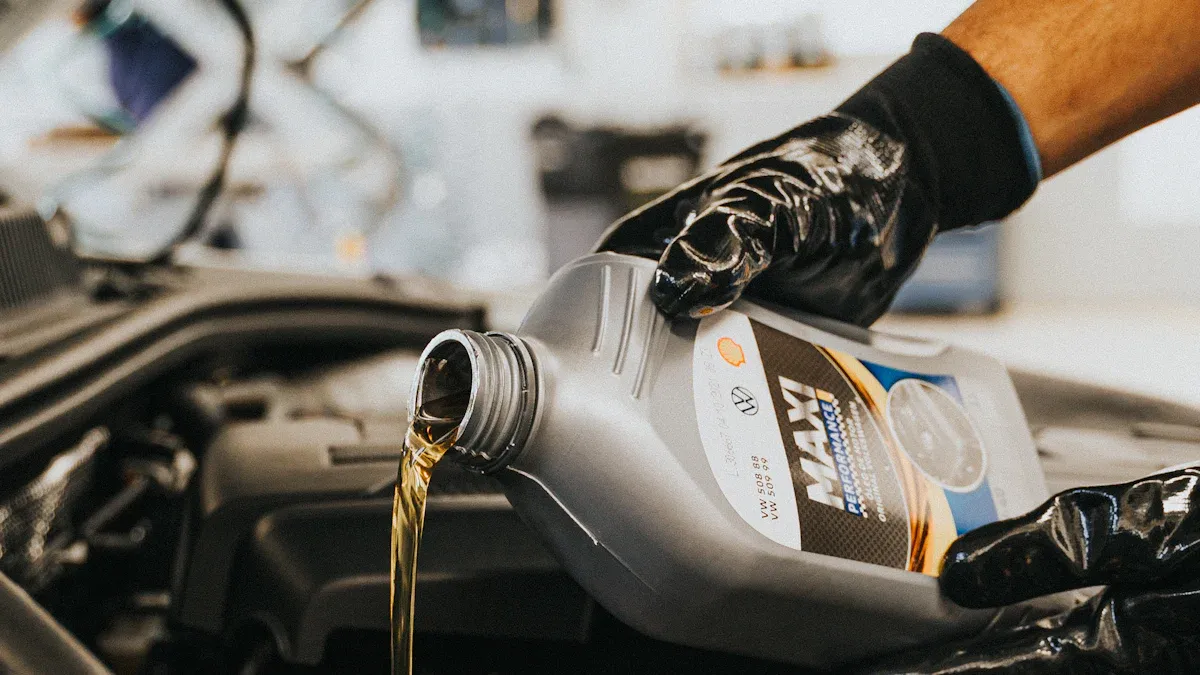
You see blue smoke from your exhaust. This is a clear sign of trouble. You need to act quickly. Start with some basic checks.
Initial Diagnostic Steps
You can perform some initial diagnostic steps yourself. Look for any obvious leaks or damage on your car. Pay attention to the color and consistency of the exhaust smoke. This gives you important clues. If you see smoke when you accelerate, you might have issues with your piston rings. Smoke at startup often points to problems with valve seals. If you see constant smoke, you likely have multiple underlying issues. This initial assessment helps you narrow down the problem.
Professional Diagnostic Tests
After your initial checks, you might need professional help. Mechanics use special tools to find the exact problem. They perform tests like a compression test. This checks the health of each cylinder. A leak-down test evaluates the sealing quality of piston rings, valves, and head gaskets. These tests reveal engine damage that a compression test might miss. They also check for internal leaks. This helps pinpoint the source of the oil burning.
Solutions for Worn Piston Rings
Worn piston rings cause oil to burn. You have a few options for treatment.
Engine Oil Additive: For minor wear, you can try an engine oil additive. Products like Ceramizer CS help regenerate engine components. They raise and equalize compression pressures. This is a less invasive treatment.
Partial Engine Overhaul: If additives do not work, you might need a partial engine overhaul. This involves replacing the piston rings. Mechanics might also grind the cylinders. This is a more invasive and costly treatment. You usually do this when additives are not enough. This is especially true if the rings are ‘locked’ due to severe wear. This repair helps reduce carbon buildup and aids in engine cleaning.
Solutions for Worn Valve Seals and Guides
Worn valve seals and guides let oil seep into the combustion chamber. This causes oil burning and carbon buildup. You have several repair options.
You can often replace valve seals without removing the cylinder heads. This is a common first step.
If a compression test shows poor compression, add a teaspoon of oil to the cylinders. Then retest. If compression stays low, you have valve sealing problems. This means you need a valve job. A valve job requires removing the cylinder heads.
During a valve job, mechanics inspect valve guides. They replace them if they are not within specifications. This might need reaming and oversized valve stems.
When you replace valve guides, use bronze guides. You can hone them to a tight fit after installation.
For intake valves, update to valve stem seals. This needs shorter keepers and retainers to prevent interference.
A 3-angle valve seat cut is a good idea. Then lap in the valves to ensure proper seating.
K-liners offer a quicker and cheaper solution for worn valve guides. They do not risk damaging the cylinder head. However, K-liners might not allow the use of valve stem seals.
Newer collets, retainers, and base plates are necessary for intake valves when using valve stem seals. Older styles can interfere and damage the seals. This comprehensive treatment addresses the root cause of oil burning and contributes to overall engine cleaning.
Solutions for Turbocharger Seal Failure
A failed turbocharger seal causes oil to leak. This leads to blue smoke and carbon buildup. You need to diagnose the problem first.
Diagnosing Turbocharger Seal Failure:
Check for internal leaks:
Look for excess oil pooling in the intake track or charge air track. This means a compressor sealing ring leak. Oil here burns in the combustion chamber.
Remove the downpipe. Inspect the turbine housing for oil residue. This suggests a turbine-side seal leak.
If you find internal leaks, check the oil drain line for kinks or obstructions. Inspect the oil feed supply and pressure. Also, check the crankcase ventilation system.
Check for external leaks:
Inspect all connections for tightness. Make sure you meet specified torque specs for oil feed and drain bolts. Use UV dye if needed.
Verify proper seating of gaskets.
Look for severe leaks from the compressor or turbine side sealing rings.
Examine spark plugs:
Oil residue on spark plugs means oil enters the combustion chamber. This can come from engine damage or a damaged turbocharger.
Perform compression and leak-down tests:
Do a compression test for each cylinder. This assesses engine health.
Perform a leak-down test. This evaluates the sealing quality of piston rings, valves, and head gaskets.
Repairing Turbocharger Seal Failure:
You cannot simply service or change the turbocharger seal directly. Repair often means addressing the underlying cause of the leak. You might need to replace the turbocharger unit itself. This treatment stops the oil burning and prevents further carbon buildup.
Solutions for PCV Valve Issues
A faulty PCV valve can cause blue smoke and carbon buildup. You have several ways to fix this.
Replace the PCV valve: This is a direct solution for clogged or faulty valves. A new PCV valve can fix rough idle and oil leaks.
Inspect hoses and connections: Check for cracked or collapsed hoses. Look for vacuum leaks. Fixing these issues can resolve poor idle quality and oil leaks.
Use a comprehensive reroute kit: For some engines, like the 6.7L Ford Powerstroke, this kit bypasses problematic factory components. It offers high-capacity oil separation. This eliminates oil consumption and intake system contamination.
Regular maintenance: Check the PCV system during every oil change. Replace the PCV valve every 30,000 miles. Inspect hoses and connections annually. Monitor oil consumption between changes. This regular treatment prevents future PCV issues.
Solutions for Excessive Crankcase Pressure
Excessive crankcase pressure forces oil past seals. This leads to oil burning and carbon buildup. You can use several solutions to mitigate this.
Oil Catch Cans: Install these reservoirs between the PCV valve and the intake manifold. They separate oil droplets and moisture from blow-by gases. This leads to cleaner intake air. It reduces carbon buildup on valves. It also lowers detonation risk. They are especially good for direct-injected engines.
Proper Piston and Ring Fitment: Minimize blow-by by using precision-machined pistons. Fit them to round and true cylinders. Rings should be correctly sized. End-gap them according to manufacturer recommendations.
Crankcase Evacuation Systems: For racing engines, these systems use breathers with vacuum check valves. They reduce crankcase pressure. They eliminate oil leaks. They also improve ring seal. This enhances engine performance.
Racing Vacuum Pumps: These pumps use negative air pressure to pull air out of the crankcase. This creates a vacuum. Proper sizing, plumbing, and gearing are crucial for optimal performance.
Breather Socks: If vacuum pumps are not practical, install breather socks over the breather. They catch residual oil. This prevents dripping and blowing associated with blow-by. Each of these methods provides a form of treatment for excessive crankcase pressure.
Solutions for Incorrect Oil Viscosity
Using the wrong oil viscosity can cause oil burning and carbon buildup. You need to correct this problem.
Drain and Refill: Drain the incorrect oil. Refill your engine with the recommended type.
Consult Manual: Check your vehicle’s owner’s manual. It tells you the proper viscosity and oil type.
Professional Help: Visit a professional mechanic if symptoms continue. Do this if you are unsure about the issue’s extent.
Verify Specifications: Double-check oil viscosity and specifications for your vehicle.
Trusted Mechanic: Consult a trusted mechanic if you are unsure about oil choice.
Reputable Service: Choose reputable service providers for oil changes. You should also set a proper baseline for new oil viscosity. Measure and record its actual starting viscosity. Do not just rely on published ‘product typicals’. Establish cautionary and critical limits around the oil’s baseline viscosity. This flags significant upward or downward trends. Implement routine viscosity analysis. This is part of a lubricant condition-monitoring program. Determine the root cause of any nonconforming viscosity trends. This prevents reoccurrence. This comprehensive treatment ensures your engine gets the right lubrication.
Solutions for Blown Head Gasket
A blown head gasket causes oil burning, a coolant leak, and potential engine overheating. You have several repair options.
Chemical Repair Products: If your car can run safely for over 15 minutes without engine overheating, you can use chemical repair products. These seal the leak without engine disassembly. You can often install them with minimal mechanical knowledge. Products like Bar’s Leaks Head Seal (HG-1) use carbon fiber to reinforce the seal. It is safe with all coolants. You pour it into the coolant tank and idle the car. Bar’s Leaks Head Gasket Fix (1111) is a more affordable option for minor leaks. Bar’s Leaks Head Gasket Repair (1100) is for cars that can run longer. It uses Aramid fiber for a stronger bond. Chemical sealants offer a temporary treatment for minor leaks.
Gasket Replacement: For a permanent fix, you need to replace the gasket.
Remove the cylinder head.
Clean both the cylinder head and engine block surfaces.
Install a new gasket.
Resurface the cylinder head if needed. This ensures a proper seal.
Use correct torque specifications when reinstalling head bolts. This prevents damage.
Machine surfaces if cracks or warping are present due to engine overheating. This restores flatness. This thorough treatment stops the oil burning and prevents further damage from a coolant leak.
Solutions for Cracked Engine Block or Cylinder Head
A cracked engine block or cylinder head is a serious issue. It causes oil burning and carbon buildup. You have several repair or replacement options.
Repair the Crack: For minor cracks, you can try welding if the material is weldable. You can also use epoxy sealing. These are often temporary fixes. K&W FiberLock Head Gasket & Block Repair offers a solution. It uses military-strength fibers to create an interlocking web over the breach. Nanoparticles form a solid bond with the metal. Cool-X conditioner helps the engine run cooler. This product can get a vehicle back on the road quickly.
Replace the Engine Block: If the crack is severe, you need to replace the engine block. This means installing a used, rebuilt, or new engine block.
Replace the Entire Engine: For extensive damage, consider a crate engine (new from manufacturer). You can also choose a remanufactured engine (rebuilt and tested). A used engine is the most budget-friendly but has higher risk.
Sell or Scrap the Vehicle: If repair costs are too high, especially for older cars, you might sell or scrap the vehicle. This comprehensive engine cleaning and repair process addresses the severe damage.
Solutions for Overfilled Oil
Overfilling your engine with oil can cause blue smoke and carbon buildup. This is an easy problem to fix.
Drain Excess Oil: You need to drain the excess oil. Use the drain plug at the bottom of the oil pan. You can also use an oil extractor tool through the dipstick tube.
Check Oil Level: After draining, check the oil level again. Make sure it is within the recommended range on your dipstick.
Monitor for Symptoms: Drive your car and monitor for any remaining blue smoke. If the smoke persists, the overfilling might have caused other issues.
Prevent Future Overfills: Always check your oil level carefully when adding oil. Add small amounts at a time. Recheck the dipstick frequently. This simple engine cleaning step prevents oil burning.
Preventative Measures to Avoid Blue Smoke
Regular Oil Changes with Correct Viscosity
You can prevent many engine problems with regular oil changes. Always follow your car manufacturer’s recommendations. Use high-quality motor oil, like synthetic oils, for better stability. Change your oil typically every 3,000 to 7,500 miles. This consistent schedule helps prevent burning oil. It keeps your engine lubricated and clean. Using the correct oil viscosity is also crucial. The right oil thickness ensures proper lubrication. It prevents oil from seeping past seals.
Monitoring Oil Levels Regularly
Checking your engine oil level is a simple but vital task. You should check it at least once a month. Always check it before long trips. For older cars or those with high mileage, check every two weeks. Environmental factors like fuel quality or extreme temperatures can increase oil consumption. Even with newer vehicles, regular checks are a good practice. It only takes a minute. This simple treatment can extend your engine’s life.
Addressing Minor Leaks Promptly
Do not ignore small oil leaks. A minor issue can quickly become a major problem. Delaying repairs can turn a small oil leak into a full engine replacement. This can cost thousands of dollars. Ignoring leaks increases your risk of vehicle breakdowns. You could get stranded. This leads to towing and emergency repair costs. Oil spills also create road hazards. Promptly fixing leaks prevents increased friction and wear on engine parts. It stops engine overheating. This proactive treatment avoids severe engine damage.
Adhering to Regular Engine Maintenance
A comprehensive maintenance schedule prevents blue smoke. Regularly check your oil levels. Look for blue smoke from the exhaust. Note any decreased fuel efficiency. You can use oil analysis kits to find contaminants. Inspect your PCV system for faults. A malfunctioning PCV valve can cause rough idle or power loss. It increases oil burning without leaks. Check and replace the valve if it is faulty. This prevents excess oil from entering the combustion chamber. This overall care keeps your engine healthy.
Blue smoke from exhaust is a critical warning. It signals serious engine problems. You must understand the causes and act swiftly. This prevents severe engine damage and costly repairs. Ignoring burning oil leads to more engine problems. Use this guide for initial checks. Seek professional help for accurate diagnosis and effective solutions. Maintain your engine for long life and reliable performance.
FAQ
Why does my car emit blue smoke?
Blue smoke means your engine burns oil. Worn parts like piston rings or valve seals often cause this. A faulty turbocharger or PCV valve can also be the culprit. You need to address this issue quickly.
Can I ignore blue smoke from my exhaust?
No, you should not ignore blue smoke. It signals a serious engine problem. Ignoring it leads to more damage. You face costly repairs or even complete engine failure. Your engine needs immediate attention.
What is the first thing I should do if I see blue smoke?
First, check your oil level. Look for any obvious leaks. Note when the smoke appears. Then, seek professional help for an accurate diagnosis. A mechanic can pinpoint the exact problem.
Will an oil additive stop blue smoke?
For minor wear, some oil additives can help. They might improve piston ring sealing. However, additives are not a permanent fix for severe issues. A mechanic can tell you if an additive is right for your car.