You might have many questions about wheel spacers and whether they are wheel spacers safe. Many vehicle owners worry about these modifications. We want to assure you that wheel spacers can be safe; you just need to use them correctly.
Our goal is to clarify these conditions for you. We will debunk common myths to give you a clear understanding in 2026. A 2023 SEMA survey found that 30% of auto shops encountered damage from incorrect spacer installation, highlighting serious safety concerns.
Additionally, a 2022 study showed that thicker wheel spacers doubled the risk of premature wheel bearing replacements. This information helps you understand the importance of proper application to ensure your wheel spacers safe.
Key Takeaways
Wheel spacers can be safe if you use them correctly.
Always choose high-quality spacers made from strong materials.
Install spacers properly and tighten them to the right torque.
Check your wheel spacers often to make sure they are still safe.
Many fears about wheel spacers are just myths; proper use prevents problems.
Understanding Wheel Spacers: Purpose and Types
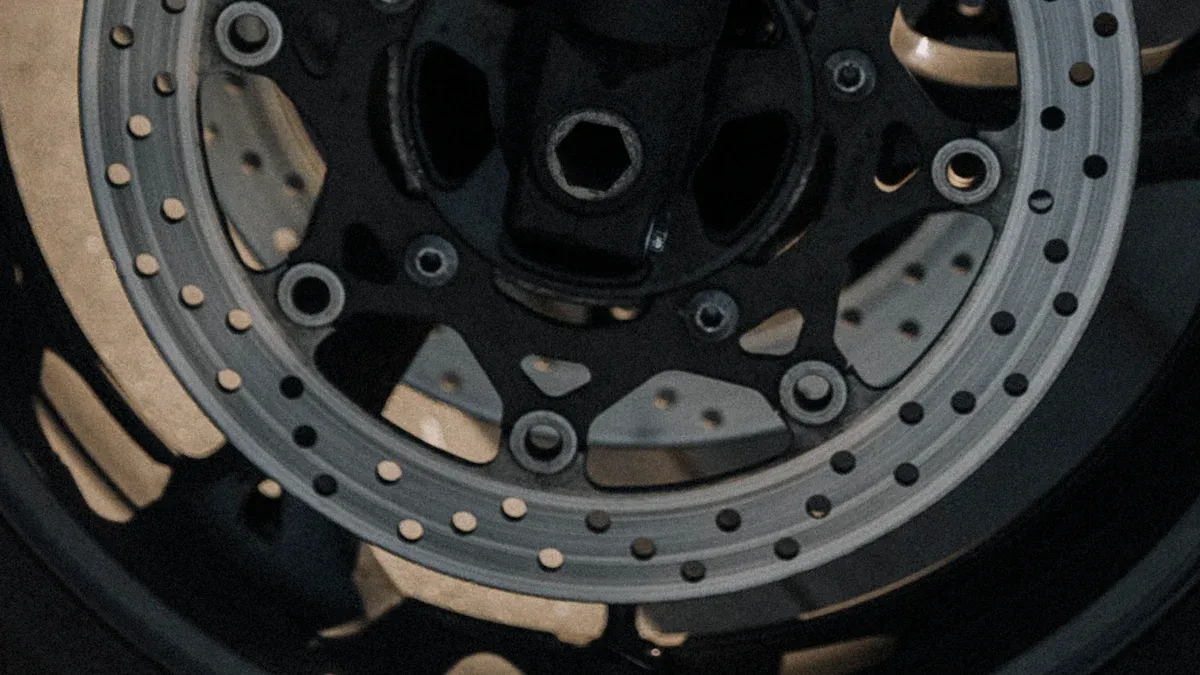
Wheel spacers are components you install between your vehicle’s wheel hub and the wheel itself. They push the wheel further out from the vehicle’s body. People use them for various reasons, from enhancing appearance to improving performance. Understanding the different types helps you make informed choices.
Defining Wheel Spacers: Bolt-on vs. Slip-on
You will find two main types of wheel spacers: bolt-on and slip-on. Each type has distinct characteristics.
Bolt-on wheel spacers attach directly to your vehicle’s hub. They feature their own set of studs for you to mount the wheel. Hubcentric bolt-on spacers ensure your wheels center perfectly on the vehicle’s hub. This design minimizes vibration and provides stability. They require extended bolts to secure the wheel through the spacer for safe mounting. This is critical for maintaining vehicle safety and handling when you adjust wheel offset.
You can also find PCD-adjusting bolt-on spacers. These offer flexibility for wheel customization. They allow you to change the wheel’s Pitch Circle Diameter (PCD) to fit different wheel designs. You can also adapt your vehicle for new wheel mounting systems. They modify wheel offset and accommodate wheels with varying hub bore sizes. This creates compatibility between your vehicle’s hub and otherwise mismatched wheels. You can even switch between different bolt patterns.
Slip-on wheel spacers are simpler. They are typically thin, often 5mm, 10mm, or 15mm. They do not feature integrated studs. You install them over your vehicle’s factory wheel studs, positioning them between the wheel and the hub.
Then, you bolt the wheel on, sandwiching the spacer. It is crucial to ensure your stock bolts are long enough for proper thread engagement when you use them with rims. Hub-centric slip-on spacers slide over existing lug nuts and include hub-centering rings. Lug-centric slip-on spacers attach directly to the lug nuts, but many experts do not recommend them for safety.
Common Reasons for Using Wheel Spacers
You might wonder why vehicle owners install wheel spacers. Many reasons exist. Some people seek a more aggressive stance and increased stability for their vehicle. You might need them when installing larger tires or aftermarket wheels. New brake calipers may be too big and rub against suspension parts or other brake components.
Wheel spacers can help you upgrade brake calipers by creating necessary clearance. When you transport heavy loads or drive off-road, spacers can protect suspension and other components. They also provide better control. For purely aesthetic reasons, you might want to make your truck look better.
Spacers help you fit larger tires on stock wheels by spacing the wheel outboard. This prevents rubbing against the suspension, steering components, or wheel wells. They improve handling and grip by increasing the track width. You can also install custom wheels that might otherwise not fit. This provides improved fitment. Spacers can also contribute to safer load distribution by widening the vehicle’s base.
Ensuring Wheel Spacers Safe Use: Key Factors
You can use wheel spacers safely if you understand and follow key conditions. These conditions emphasize product quality and correct application.
Quality Matters: Materials and Manufacturing
You must choose high-quality materials for your wheel spacers. This ensures your wheel spacers safe operation. Manufacturers often use aerospace-grade aluminum alloys. For example, 6061-T6 aluminum is a strong, corrosion-resistant material. It is common in aircraft and automotive parts. 7075-T6 aluminum is even stronger.
It has hardness similar to steel but is much lighter. This material is used in aerospace manufacturing. Precision machining is also vital. CNC-machined spacers eliminate risks like vibration. Forged aluminum is another excellent choice. It is denser and stronger than cast aluminum. This makes it ideal for extreme loads.
Hubcentric Wheel Spacers: The Importance of Design
You need to understand the design of hubcentric wheel spacers. This design is crucial for safety. Hubcentric spacers ensure your wheel sits perfectly on the hub. This means the hub bears the force, not just the lug bolts. Without this design, lug bolts would carry the entire weight. This leads to wear and potential failure.
Hubcentric spacers eliminate high-speed vibrations. They improve driving stability. They also enhance cornering stability. You can even accommodate larger brake kits with them. This improves stopping power.
Correct Installation: Torque and Professional Guidance
Correct installation is paramount. You must torque your wheel spacers properly. For bolt-on wheel spacers, a common recommendation is 90 ft-lbs.
Always follow the manufacturer’s specific instructions. Incorrect torque causes many failures. Global data shows 42% of spacer-related failures come from incorrect torque. Improper torque can cause your wheel to detach at highway speeds. It can also void your vehicle’s warranty. Proper torque ensures all components remain secure. This is vital for safe wheel installation. If you are unsure, consult a professional to install them.
Proper Fitment: Matching Specifications
Proper fitment ensures your wheel spacers are safe. You must match several specifications. The Pitch Circle Diameter (PCD) must match your vehicle’s bolt pattern.
The center bore of the spacer must match your car’s hub diameter. Even a small difference can cause wobble. Spacer thickness affects how far your wheel moves outward. Consider fender clearance. You need at least a 5mm safety margin. Ensure proper stud length. Your lug nuts need at least 6-7 complete threads engaged. Use only quality hardware.
Regular Maintenance and Inspection
Regular maintenance is a necessary precaution. You must inspect your wheel spacers often. The frequency depends on your driving conditions. If you drive in coastal areas or during winter, inspect them more often. Salt exposure can cause issues. Off-road use also requires frequent checks. Debris and impacts can cause damage. Follow a consistent maintenance schedule. This helps you catch problems early.
10 Dangerous Myths Debunked in 2026
You often hear many scary stories about wheel spacers. Let’s clear up these misunderstandings. We will look at the most common myths and show you the facts.
Myth 1: Spacers Always Cause Wheel Bearing Failure
You might hear that spacers always cause wheel bearing failure. This is a common misconception. High-quality spacers, when installed correctly, do not automatically lead to bearing issues. Wheel bearings are designed to handle significant forces. Small changes in offset from spacers are often within their capacity.
Problems usually arise from very thick, poorly manufactured, or incorrectly installed spacers. These issues lead to uneven load distribution and vibration. Moderate spacers used for daily driving rarely cause noticeable bearing problems.
One user noted that bearing forces from increased offset are not significantly large compared to cornering forces. Bearings are designed for much greater forces. Another user reported no issues with 100mm (4-inch) spacers over seven years of spirited road driving. A professional mechanic confirmed the rear wheel bearings were in good condition.
This shows even large spacers might not cause failure if other factors are optimal. Proper torque is crucial. Incorrect torque can cause vibration, uneven stress, or stretched studs/bolts. This affects alignment and load transfer to the bearing. High-quality materials, like CNC-machined T6 aircraft-grade aluminum and heat-treated bolts, ensure durability and consistent torque. Hubcentric wheel spacers are recommended.
They center the wheel on the hub. This reduces vibration and distributes load evenly across the bearing. Lug-centric spacers are more sensitive to installation accuracy. Most bearing issues attributed to spacers stem from installation errors. These errors include skipping re-torque checks, using incorrect hardware, or low-quality spacers.
Myth 2: They Weaken Your Studs/Bolts
You might worry that spacers weaken your studs or bolts. This is not true if you use them correctly. Spacers that do not have their own studs can reduce the thread engagement with the lug nut. This is a critical factor for maintaining wheel stud strength. You can use quality extended studs to fix this issue. When lug nuts are torqued, studs stretch slightly.
This creates clamping force. With longer studs and a spacer, the studs stretch more. This happens due to the increased section under tension. Spacers introduce two extra potential sliding surfaces within the clamping system. This can compromise the connection’s integrity. If clamping force is lost, the lug studs bear shear stress.
They are not primarily designed for this. This can lead to potential failure. A spacer creates a longer lever arm on the lug nuts if clamping force is compromised. This increases the likelihood of problems. The quality of your wheel studs is very important for safety. They are the main connection point between the wheel and hub assembly.
Higher tensile strength studs can withstand greater impact loads. This makes them safer. You must use genuine quality wheel studs. Check their grade before buying wheel spacers. For example, a metric grade 12.9 bolt is much better and safer than a 10.9.
Myth 3: Spacers Make Your Wheels Fall Off
You might fear that spacers make your wheels fall off. This is a serious concern, but it is almost always due to improper installation, not the spacers themselves. Your wheel will not fall off if you install the spacers correctly and use the right hardware. This means proper torque, correct fitment, and regular checks.
Failures often happen when lug nuts are loose or when you use low-quality parts. You must ensure proper thread engagement. This means at least 6-7 complete threads are engaged with the lug nuts after installation. If you do not follow these steps, you risk the wheel detaching. This can be very dangerous, especially at high speeds.
Myth 4: They Ruin Vehicle Handling and Suspension
You may think spacers ruin vehicle handling and suspension. This is not entirely accurate. Wheel spacers can actually enhance vehicle handling and stability. This is especially true for off-road vehicles. They create a wider stance.
A wider stance gives you better grip, traction, and stability. This is helpful during cornering, high-speed maneuvers, and on uneven terrain. It also reduces body roll and the risk of rollovers. Spacers allow for larger tires. These tires can improve traction and off-road capabilities without interfering with the suspension.
However, spacers can negatively affect suspension performance. They increase stress on wheel bearings and other components. This can lead to premature wear. Some critics suggest that spacers might compromise stability and handling at high speeds. They could also lead to increased body roll. This happens due to changes in the vehicle’s center of gravity. You need to choose the right thickness and ensure proper installation to get better handling.
Myth 5: All Spacers Are Illegal
You might believe all spacers are illegal. This is a common myth. Wheel spacers are generally legal in most countries and regions. There are no federal laws in the United States that prohibit their use. However, the legality can vary by state or city.
You should consult local law enforcement or automotive regulatory bodies for specific rules. A key regulation often states that wheels should not stick out too much past the fenders. The quality of the spacers and proper installation are also crucial for safety and legality. High-quality, certified wheel spacers, like those approved by SGS and TÜV, are considered legal to use.
Myth 6: Spacers Offer No Functional Benefit
You may think spacers offer no functional benefit. This is incorrect. Spacers provide several advantages. They improve stability and handling. They widen the vehicle’s stance. This lowers the center of gravity. This leads to better grip, traction, and stability. This is especially true during cornering and high-speed maneuvers.
They also reduce body roll. Spacers enhance tire clearance. They create more room between the wheels and the vehicle’s hub. This prevents tires from rubbing against suspension components or fenders. This allows you to install larger or wider tires without major modifications. Spacers also offer aesthetic benefits. They push the wheels outward. This creates a wider, more aggressive stance. This can make your vehicle look sportier and more customized. It helps achieve a flush wheel-to-fender look.
Myth 7: Any Spacer Fits Any Vehicle
You might assume any spacer fits any vehicle. This is a dangerous assumption. You must match several specifications for proper fitment. The central bore is crucial for preventing vibration. The spacer’s center bore must match or be slightly larger than the wheel hub’s diameter. This ensures a perfectly centered fit. Mismatches can cause dangerous vibrations. The bolt pattern is a non-negotiable match for safe installation.
Count the number of bolts or studs. Measure the bolt circle diameter (BCD). The wheel spacer must exactly match your vehicle’s pattern. There is no room for “close enough.” You must also verify stud length. Measure your current stud length. Consider the spacer thickness. Ensure at least 6-7 complete threads are engaged with lug nuts after installation. Do not cut or modify studs. Use thinner spacers or stud extensions if needed.
Check fender clearance. Measure the gap between the tire and fender at its closest point. Subtract spacer thickness to find the final clearance. Test at full lock and during suspension compression. Maintain at least a 5mm safety margin.
Myth 8: Slip-on Spacers Are Inherently Unsafe
You might believe slip-on spacers are inherently unsafe. This is not true if you use them correctly. Slip-on spacers are ideal for minor adjustments and lightweight applications. They are a good option if you are not driving heavy loads or pushing car performance to its limits. They rely on existing studs being long enough to maintain proper thread engagement. If your studs are too short, bolt-on spacers are necessary.
You must always use hubcentric wheel spacers to ensure proper centering. This prevents vibrations. Check thread engagement. Ensure at least as many turns of engagement as the stud is wide. For example, an M12x1.5 stud needs about 12mm of engagement or 8 full turns. Extended studs are necessary if you cannot achieve this. Bolt-on spacers are more secure and durable for aggressive fitments.
They are better for structural integrity with heavy loads or off-road driving. However, both types require high-quality materials, proper installation, and routine maintenance. Most failures are due to loose lug nuts or low-quality parts, not the type of spacer itself.
Myth 9: Spacers Void Your Vehicle’s Warranty
You may worry that spacers void your vehicle’s warranty. This is a common concern with any aftermarket modification. Generally, a manufacturer cannot void your entire warranty simply because you installed spacers. They can only deny warranty claims for parts that fail due to the modification.
For example, if your wheel bearing fails and the manufacturer can prove the spacers caused it, they might deny that specific claim. They cannot deny a claim for your engine if you installed spacers. You should always check your vehicle’s warranty policy. Talk to your dealership before making modifications. This helps you understand the potential impact.
Myth 10: They Are a Cheap, Dangerous Alternative
You might see spacers as a cheap, dangerous alternative to new wheels. This is a harmful myth. Quality wheel spacers are precision-engineered components. They are made from strong materials like aerospace-grade aluminum. They are designed to be safe when installed correctly.
The danger comes from using low-quality, generic spacers or from improper installation. If you choose reputable brands, ensure proper fitment, and follow installation guidelines, spacers are a safe and effective modification. They offer functional benefits and aesthetic improvements. They are not inherently dangerous. It is the misuse or poor quality that makes them a risk, potentially driving more unsafe conditions.
When Wheel Spacers Become Unsafe: Red Flags
You understand that wheel spacers can be safe. However, certain conditions make them dangerous. You must recognize these red flags. Low-quality spacers and incorrect installation are primary risks.
Poor Quality or Cheap Materials
You compromise safety when you choose poor quality or cheap materials for wheel spacers. These materials compromise durability and performance. They can lead to warping or breakage. They might even weld themselves to the hub assembly. This creates a serious risk. Inferior metals and poorly manufactured studs can warp under heat and pressure. This causes your wheel to become stuck or detach while driving.
Incorrect Installation or Torque
Incorrect installation makes wheel spacers unsafe. You must torque your wheel properly. If you under-torque the lug nuts, the wheel can become loose. This causes dangerous vibrations. Over-torquing can stretch studs and bolts. This affects alignment and load transfer. Improper installation can lead to your wheel detaching. Always follow manufacturer guidelines when you install wheel spacers.
Improper Fitment or Excessive Thickness
Improper fitment or excessive thickness creates hazards. You can experience accelerated wear over time. This happens due to uneven load distribution and vibration. Very thick, poorly made, or incorrectly installed spacers cause this. If original studs protrude beyond the spacer’s surface, you get imbalance and vibrations. This can lead to potential tire loss. Excessive spacer width increases leverage on wheel bearings and suspension components. This causes premature wear or failure. Insufficiently tightened spacers can cause wheel detachment. Over-tightening can damage components. Both lead to premature wear of wheel bearings and suspension parts.
Lack of Regular Inspection
You must regularly inspect your wheel spacers. A lack of regular inspection is a major red flag. Small issues can grow into significant problems. You might not notice loose lug nuts or minor damage. This increases the risk of failure. Consistent checks help you maintain safety.
Making an Informed Decision Before Installation
You need to make smart choices before you install wheel spacers. This ensures your safety and the performance of your vehicle.
Researching Reputable Brands
You must choose high-quality wheel spacers. Reputable brands use strong materials. They often use forged aluminum alloy, like 6061-T6 or 7075-T6. This makes them lightweight, strong, and resistant to rust. The best spacers also come with high-strength wheel studs (ISO grade 12.9) and lug nuts (ISO grade 10). These parts are crucial for safety. Look for brands that provide SGS TÜV test reports. These reports show the product’s performance. Brands like Flycle use forged aluminum alloy. Rough Country, Dynofit, and AA Ignition also use strong aluminum construction. KSP guarantees quality through rigorous testing.
Consulting Automotive Professionals
You should always talk to automotive professionals. They offer valuable advice. Professionals use spacers to fine-tune handling. They can increase lateral and cornering stability. This happens by widening the track.
Concerns about increased wear on wheel bearings are often overstated. This is especially true with high-quality spacers. The impact on handling is mainly for the steering axle. It has little effect on rear wheel spacers. You can reduce the risk of failure by choosing high-quality products. Proper installation is key.
This involves applying anti-seize copper grease correctly. You must tighten bolts in a ‘star’ pattern. Re-tighten bolts after 93 miles of travel. Use a torque wrench to factory specifications. For example, you might need 110.6 ft-lbs. Professionals can help you gather tools. They ensure the spacer fits snugly. They clean the hub surface. They apply grease correctly. They mate the spacer with the hub. They tighten the bolts to specification. They also apply grease to the spacer flange. This helps with future wheel removal.
Local Regulations
You need to know your local laws. The legality of wheel spacers changes by region. In many areas, like the United States, wheel spacers are legal. They must meet safety standards. They also cannot exceed width limits. There are no federal laws against them in the USA. However, each state has its own rules. Legality can vary greatly.
For example, in California, wheel spacers are legal. They just cannot make the wheels stick out too much. You should check with your city or state’s law enforcement. You can also ask an automobile regulatory body. This ensures you follow all local laws.
You now understand wheel spacers are not inherently dangerous. Their safety depends on specific conditions. Always prioritize quality, correct installation, proper fitment, and diligent maintenance. Make informed decisions based on facts, not myths. This empowers you to choose wheel spacers safe for your vehicle. You can drive confidently in 2026, knowing you made responsible choices about your wheel spacers safe modifications.