The best TPMS relearn tools turn tire swaps from a hassle into a quick weekend task. Devices like the Autel MaxiTPMS TS508WF, XTOOL TP150, and JDIAG 2-in-1 walk you through each step, wake up sleepy sensors, and shut off that stubborn dash light fast.
Simpler GM tools such as the EL-50448 and VXDAS stick to easy one-button relearn. Most work with 315 and 433 MHz sensors, cover a wide range of 1996–2024 vehicles, and use tough handheld designs so everyday drivers can handle tire changes with confidence.
| Autel MaxiTPMS TS508WF WiFi TPMS Relearn Tool |

| Best WiFi Scanner | Primary Function: Full TPMS programming, activation, relearn, diagnostics | Vehicle Coverage Focus: US/EU/Asian vehicles (broad multi-brand coverage) | Supported Sensor Frequency: 315 MHz & 433 MHz | CHECK LATEST PRICE | Read Our Analysis |
| TPMS Relearn and Programming Tool for GM Vehicles |

| Quick GM Reset | Primary Function: TPMS sensor activation and relearn/reset | Vehicle Coverage Focus: 2006–2024 GM-series focus (Opel/Buick/GMC) + most cars/SUVs/pickups | Supported Sensor Frequency: 315 MHz & 433 MHz | CHECK LATEST PRICE | Read Our Analysis |
| Autel MaxiTPMS TS508WF WiFi TPMS Programming Tool |

| Pro WiFi TPMS Tool | Primary Function: Full TPMS programming, activation, relearn, diagnostics | Vehicle Coverage Focus: US/EU/Asian vehicles (broad multi-brand coverage) | Supported Sensor Frequency: 315 MHz & 433 MHz | CHECK LATEST PRICE | Read Our Analysis |
| VXDAS TPMS Relearn Tool for GM Vehicles |
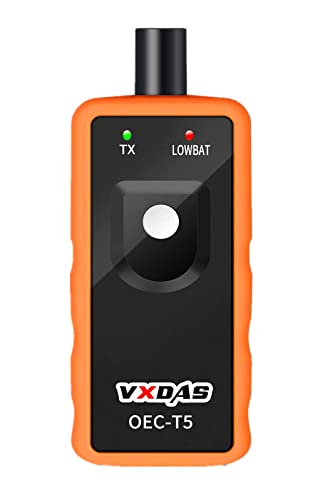
| GM-Specific Pick | Primary Function: TPMS sensor activation and relearn/reset | Vehicle Coverage Focus: 2006–2023 GM vehicles (Chevy/Buick/GMC/Opel/Cadillac) | Supported Sensor Frequency: 315 MHz & 433 MHz | CHECK LATEST PRICE | Read Our Analysis |
| XTOOL TP150 Universal TPMS Programming and Diagnostic Tool |

| Universal Programming Pro | Primary Function: Universal TPMS programming, activation, relearn, diagnostics | Vehicle Coverage Focus: 1996–2024 US/EU/Asian OBD2 vehicles (very broad multi-brand) | Supported Sensor Frequency: 315 MHz & 433 MHz | CHECK LATEST PRICE | Read Our Analysis |
| JDIAG 2-in-1 TPMS Relearn Tool (2025 Edition) |
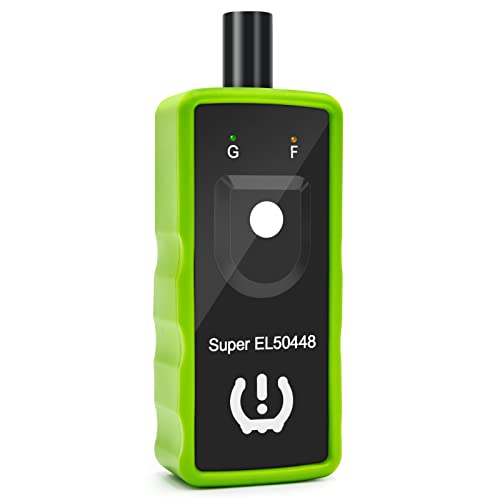
| Best GM/Ford Combo | Primary Function: TPMS reset/relearn only (no programming) | Vehicle Coverage Focus: GM + Ford families (Opel/Buick/Cadillac/Chevy/GMC/Lincoln/Mercury/Mazda, etc.) | Supported Sensor Frequency: 315 MHz & 433 MHz | CHECK LATEST PRICE | Read Our Analysis |
| JDIAG EL-50448 TPMS Relearn Tool for GM |

| Fast GM Relearn | Primary Function: TPMS sensor activation and relearn/reset | Vehicle Coverage Focus: 2006–2022 GM vehicles (Buick/Chevy/Cadillac/Opel) | Supported Sensor Frequency: 315 MHz & 433 MHz | CHECK LATEST PRICE | Read Our Analysis |
| TPMS Relearn Tool for GM Vehicles 2006-2024 |

| Budget GM Reset | Primary Function: TPMS sensor activation and relearn/reset | Vehicle Coverage Focus: 2006–2024 GM vehicles (Chevy/Buick/GMC/Opel/Cadillac) | Supported Sensor Frequency: 315 MHz & 433 MHz | CHECK LATEST PRICE | Read Our Analysis |
More Details on Our Top Picks
Autel MaxiTPMS TS508WF WiFi TPMS Relearn Tool
In case you work on TPMS all the time and want a tool that feels fast, modern, and easy to trust, the Autel MaxiTPMS TS508WF is one of the strongest choices you can pick. I like it because it handles the whole job in one place. I can wake up sensors, read pressure and temperature, check battery life, and spot faults without guessing. Whenever a light comes on, I just scan, see the DTC, clear it, then relearn the sensors.
I also love the WiFi updates and OBD relearn. I stay current, fix cars faster, and avoid hauling out a laptop.
- Primary Function:Full TPMS programming, activation, relearn, diagnostics
- Vehicle Coverage Focus:US/EU/Asian vehicles (broad multi-brand coverage)
- Supported Sensor Frequency:315 MHz & 433 MHz
- Sensor Brand Compatibility:Programs Autel MX-Sensors only; activates/relearns 99% OE/aftermarket
- Update / Maintenance Requirements:Lifetime free WiFi updates; no PC needed
- Power / Connection Type:Handheld electronic tool with internal battery, WiFi for updates, OBD connection for some functions
- Additional Feature:Quick/Advanced repair modes
- Additional Feature:Data review and printing
- Additional Feature:Lifetime WiFi updates
TPMS Relearn and Programming Tool for GM Vehicles
In case you drive a GM vehicle and you’re tired of staring at that stubborn tire pressure warning light after a tire rotation or sensor change, a TPMS relearn and programming tool like the EL-50448 is exactly what you’re looking for. I like this tool because it fixes the problem in about 1 to 2 minutes, instead of forcing you into another shop visit.
It works with most 2006 to 2024 GM cars, SUVs, and pickups, and supports both 315 MHz and 433 MHz sensors. You just enter TPMS learning mode, hold it alongside the valve stem, press the button, wait for the horn, and move to the next tire.
- Primary Function:TPMS sensor activation and relearn/reset
- Vehicle Coverage Focus:2006–2024 GM-series focus (Opel/Buick/GMC) + most cars/SUVs/pickups
- Supported Sensor Frequency:315 MHz & 433 MHz
- Sensor Brand Compatibility:Works with 315/433 MHz TPMS sensors (brand-agnostic reset tool)
- Update / Maintenance Requirements:No software updates required (simple hardware tool)
- Power / Connection Type:Handheld, button-operated tool; battery-powered (battery type not specified)
- Additional Feature:One-button simple operation
- Additional Feature:1–2 minute reset
- Additional Feature:Dust/splash resistant housing
Autel MaxiTPMS TS508WF WiFi TPMS Programming Tool
Serious DIYers and busy shop techs who are tired of juggling multiple TPMS gadgets will feel right at home with the Autel MaxiTPMS TS508WF WiFi TPMS Programming Tool. I like that it blends the power of several Autel tools into one handheld unit and updates over WiFi for life, so you dont need a PC or subscription worries hanging over you.
With it, I can activate almost any TPMS sensor, read pressure, temperature, battery life, and clear TPMS faults. It programs Autel MX-Sensors fast, handles stationary, auto, and OBD relearns, and its Quick and Advanced Modes keep real-world tire work moving.
- Primary Function:Full TPMS programming, activation, relearn, diagnostics
- Vehicle Coverage Focus:US/EU/Asian vehicles (broad multi-brand coverage)
- Supported Sensor Frequency:315 MHz & 433 MHz
- Sensor Brand Compatibility:Programs Autel MX-Sensors only; activates/relearns 99% sensors
- Update / Maintenance Requirements:Lifetime free WiFi/USB updates; registration required
- Power / Connection Type:Handheld electronic tool with internal battery, WiFi/USB, OBD connection
- Additional Feature:1–16 sensors autoprogram
- Additional Feature:Dual Quick/Advanced modes
- Additional Feature:Multi-language interface support
VXDAS TPMS Relearn Tool for GM Vehicles
Drivers who own GM vehicles and want a simple, low-cost way to reset their tire pressure sensors will find the VXDAS TPMS Relearn Tool for GM Vehicles a very comfortable fit. I like it because it focuses on what you actually need once a TPMS light pops on following a tire swap or rotation.
It works with most GM models from 2006 to 2023, including Chevy, Buick, GMC, Opel, and Cadillac, as long as they use OEM sensors at 315 or 433 MHz. You just put the car in TPMS Learn Mode, hold the tool near the valve stem, press Learn, and let it sync.
- Primary Function:TPMS sensor activation and relearn/reset
- Vehicle Coverage Focus:2006–2023 GM vehicles (Chevy/Buick/GMC/Opel/Cadillac)
- Supported Sensor Frequency:315 MHz & 433 MHz
- Sensor Brand Compatibility:Works with original OEM sensors only
- Update / Maintenance Requirements:2023 updated edition; no user-update process described
- Power / Connection Type:Handheld, button-operated tool; internal battery (type not specified)
- Additional Feature:2023 wider-coverage edition
- Additional Feature:OEM sensors only requirement
- Additional Feature:OEC-T5-2025 model version
XTOOL TP150 Universal TPMS Programming and Diagnostic Tool
A standout choice for you, should you want dealer-level TPMS control without paying dealer prices, is the XTOOL TP150 Universal TPMS Programming and Diagnostic Tool. I like it because it works with most 315 and 433 MHz sensors and covers 12V OBD2 vehicles from 1996 to 2024, including GM, Ford, Toyota, BMW, and many more.
With the TP150, I can program sensors four different ways, relearn them in several modes, and read live data like pressure, temperature, and battery status. It only programs OE or XTOOL sensors, but that keeps everything stable, reliable, and easy to fix.
- Primary Function:Universal TPMS programming, activation, relearn, diagnostics
- Vehicle Coverage Focus:1996–2024 US/EU/Asian OBD2 vehicles (very broad multi-brand)
- Supported Sensor Frequency:315 MHz & 433 MHz
- Sensor Brand Compatibility:Programs XTOOL TS100/TS100 PRO or pre-programmed OE/aftermarket sensors
- Update / Maintenance Requirements:Requires Windows PC software (TP200) for firmware updates
- Power / Connection Type:Handheld electronic tool; vehicle-powered via OBD2 + USB to Windows PC for updates
- Additional Feature:Four programming methods
- Additional Feature:Four relearn procedures
- Additional Feature:TPMS DTC read/clear
JDIAG 2-in-1 TPMS Relearn Tool (2025 Edition)
In case you drive a GM or Ford and you’re tired of paying the dealership just to turn off a stubborn tire light, the JDIAG 2‑in‑1 TPMS Relearn Tool (2025 Edition) is built exactly for you. I like it because it stays simple. You press one button, the car enters TPMS learning mode, and each sensor wakes up in under a minute.
It works on most GM and Ford models that use 315 or 433 MHz sensors, but not heavy-duty trucks. It only resets TPMS; sensors must be pre-programmed. Use a fresh 9V battery, watch the flashing LEDs, and you’ll save real money on every tire swap.
- Primary Function:TPMS reset/relearn only (no programming)
- Vehicle Coverage Focus:GM + Ford families (Opel/Buick/Cadillac/Chevy/GMC/Lincoln/Mercury/Mazda, etc.)
- Supported Sensor Frequency:315 MHz & 433 MHz
- Sensor Brand Compatibility:Works with original, pre-programmed TPMS sensors (no programming)
- Update / Maintenance Requirements:No update process mentioned; fixed-function reset tool
- Power / Connection Type:Handheld tool powered by external 9V battery
- Additional Feature:GM and Ford support
- Additional Feature:Real-time tire pressures
- Additional Feature:Three-stage inspection testing
JDIAG EL-50448 TPMS Relearn Tool for GM
JDIAG’s EL-50448 TPMS relearn tool is a sweet spot for GM owners who are tired of paying the dealer just to reset a simple tire warning light. In case you drive a Buick, Chevy, Cadillac, or Opel from about 2006 to 2022, this little orange box can quickly wake up your 315 or 433 MHz sensors.
I like how simple it feels in real life. You put your car in TPMS Learn Mode, hold the tool near the valve stem, press the button, and wait for the horn or dash confirmation. Assuming a fresh 9V battery and the antenna close, relearns usually finish in minutes.
- Primary Function:TPMS sensor activation and relearn/reset
- Vehicle Coverage Focus:2006–2022 GM vehicles (Buick/Chevy/Cadillac/Opel)
- Supported Sensor Frequency:315 MHz & 433 MHz
- Sensor Brand Compatibility:Works with OEM-style TPMS sensors on GM vehicles
- Update / Maintenance Requirements:2023/2025 updated version; no user-update procedure specified
- Power / Connection Type:Handheld tool powered by 9V battery
- Additional Feature:2025 faster activation
- Additional Feature:15–150 PSI range
- Additional Feature:Energy‑saving design
TPMS Relearn Tool for GM Vehicles 2006-2024
Tired of seeing that tire pressure warning light on your GM and feeling a little stressed every time it pops up? I’ve been there, and it gets old fast. That’s why I like this TPMS relearn tool designed for GM vehicles from 2006 to 2024.
It works with most Chevy, Buick, GMC, Opel, and Cadillac models that use 315 or 433 MHz sensors. I just put the car in learn mode, hold the tool close to the valve stem, then press the button at each tire in order. In under two minutes, the beeps confirm success. Just keep in mind a fresh 9V 6LR61 battery.
- Primary Function:TPMS sensor activation and relearn/reset
- Vehicle Coverage Focus:2006–2024 GM vehicles (Chevy/Buick/GMC/Opel/Cadillac)
- Supported Sensor Frequency:315 MHz & 433 MHz
- Sensor Brand Compatibility:Works with factory-style 315/433 MHz TPMS sensors
- Update / Maintenance Requirements:Fixed-function tool; no firmware update requirement noted
- Power / Connection Type:Handheld tool powered by 9V 6LR61 battery
- Additional Feature:Stepwise tire reset sequence
- Additional Feature:9V 6LR61 battery
- Additional Feature:12‑hour support response
Factors to Consider When Choosing TPMS Relearn Tools
At the point that someone chooses a TPMS relearn tool, it helps to consider what cars it can work with, what sensor frequencies it supports, and whether it can only reset sensors or also program them. It also matters how many relearn procedure options the tool offers, because different vehicles often need different steps to complete the job smoothly. On top of that, good access to updates and software keeps the tool useful and reliable as vehicles and sensor technology change over time.
Vehicle Compatibility Range
Although TPMS relearn tools could look similar on the shelf, their vehicle compatibility range can be very different, and that difference can decide whether the tool actually works on a specific car.
Most tools are built for everyday passenger cars, SUVs, and light trucks within certain model years. So a tool may work perfectly on a 2018 SUV but not on a 2009 compact car. This is why checking make, model, and year matters so much.
It also helps to look at regional coverage. Some tools only handle North American brands, while others add popular European and Asian models. Many drivers feel unsure here, so it is wise to confirm using the vehicle’s VIN before buying. Heavy-duty trucks and external TPMS setups are usually not covered.
Sensor Frequency Support
After checking that a TPMS relearn tool fits the vehicle’s make, model, and year, the next step is understanding whether it can actually hear and talk to the sensors. Every sensor sends signals at a specific radio frequency, usually 315 MHz or 433 MHz. In case the tool does not match that frequency, it simply will not “hear” the sensor at all.
This is why frequency support matters so much. Some tools only work with one frequency, so the driver must verify which their vehicle uses prior to buying. A tool that supports both 315 MHz and 433 MHz feels safer, especially for families with more than one car. It handles factory sensors and many aftermarket options, reducing future headaches and failed relearn attempts.
Programming Versus Reset Capabilities
So how exactly does someone decide between a TPMS tool that only resets sensors and one that can fully program them? It usually starts with how often they deal with new or failing sensors. In case they only rotate tires and clear warning lights, a reset-only tool can feel simple and comforting. It activates existing or pre-programmed sensors and turns that stubborn light off.
However, whenever sensors have dead batteries or need upgrading, a programming tool becomes crucial. It can create or clone sensor IDs, then send them to the vehicle through OBD and Auto Create functions. This lets someone replace multiple sensors at once, customize setups, and keep the system accurate, instead of feeling stuck buying only pre-programmed parts.
Relearn Procedure Options
Choosing between a reset-only TPMS tool and a full programming tool is only half the story, because once the sensors are ready, the way the system actually relearns them matters just as much. Stationary relearn keeps the vehicle parked while you follow prompts to activate each sensor. It takes patience, but many drivers like the control.
Automatic relearn feels easier. You simply drive for a set time, often about 20 minutes, and the system detects the new sensor IDs on its own. It is gentle on beginners.
OBD relearn connects a tool to the OBD port and sends sensor IDs straight to the ECU. It is fast, precise, and helpful for stubborn warning lights. Tools that support several relearn methods give the best chance of proper TPMS communication.
Update and Software Access
During the period someone looks at TPMS relearn tools, update and software access often feel like small details, yet they quietly decide how useful that tool will be one or two years from now. Car technology moves fast, and sensors change often, so steady updates become a real lifeline.
When a tool offers lifetime free updates through WiFi or USB, it stays current with new vehicles and sensor types. There is less stress, because the tool keeps growing with the cars in the driveway. Frequent firmware updates usually add fresh vehicle coverage, better diagnostics, and crucial bug fixes that protect accuracy. Clear online instructions and simple, PC free updating help everyday drivers keep their tool ready, reliable, and in step with modern standards.
Ease of Operation
Even before looking at fancy features or extra add-ons, ease of operation is what quietly decides whether a TPMS relearn tool feels helpful or just plain frustrating. At the time a tool uses a single main button, most people feel calmer right away. One press can put the vehicle in learning mode and start sensor activation without special training.
Step-by-step prompts, plus clear beeps or visual signals, let users know the relearn actually worked. This lowers stress and prevents guesswork. Wireless activation and automatic data reading further cut out manual entry, so real-time pressure details appear fast and clean. A small, portable body and simple screen also matter, because they let both weekend DIY drivers and busy technicians handle multiple tire swaps with less effort.
Durability and Build Quality
While fancy features can catch the eye, durability and build quality are what quietly decide whether a TPMS relearn tool feels like a smart investment or a constant worry. At the point someone uses it around jacks, lug wrenches, and concrete floors, the tool needs real protection, not just a pretty shell.
Sturdy housings made from quality ABS plastic help block dust, splashes, and scuffs so the case does not crack after a few busy seasons. On the inside, well-built electronic boards and secure solder joints keep the signal stable, even after repeated drops or bumps.
Also, careful manufacturing, with full functional tests and durability checks, lowers the chance of random glitches, sensor reading errors, or premature failure that could ruin a simple tire swap.
Power Source Requirements
Before anyone picks a TPMS relearn tool based on features alone, it really helps to pause and look closely at how the tool gets its power. Power might seem boring, but once a tire light is blinking and the tool is dead, stress rises fast.
Most TPMS relearn tools run on either a replaceable 9V battery or a built‑in rechargeable battery. Each option feels different in daily use. Some models are picky and need a certain battery type or brand to hold a stable charge and send a strong signal.
Low battery warnings can appear while the tool still works, but performance usually fades. Efficient tools with power‑saving designs stretch battery life. It also helps to check whether a battery is included or must be bought separately.