Many drivers use “bumper” and “bumper cover” interchangeably. These are distinct components with different functions. The bumper acts as a structural safety element. The outer bumper cover is primarily aesthetic. Understanding this difference is critical for vehicle owners. It impacts crash safety, repair costs, and informed decisions after an impact. This blog reveals 10 major facts distinguishing these parts. It highlights their importance for vehicle integrity.
The Bumper: Core Safety Component
What is a Car Bumper
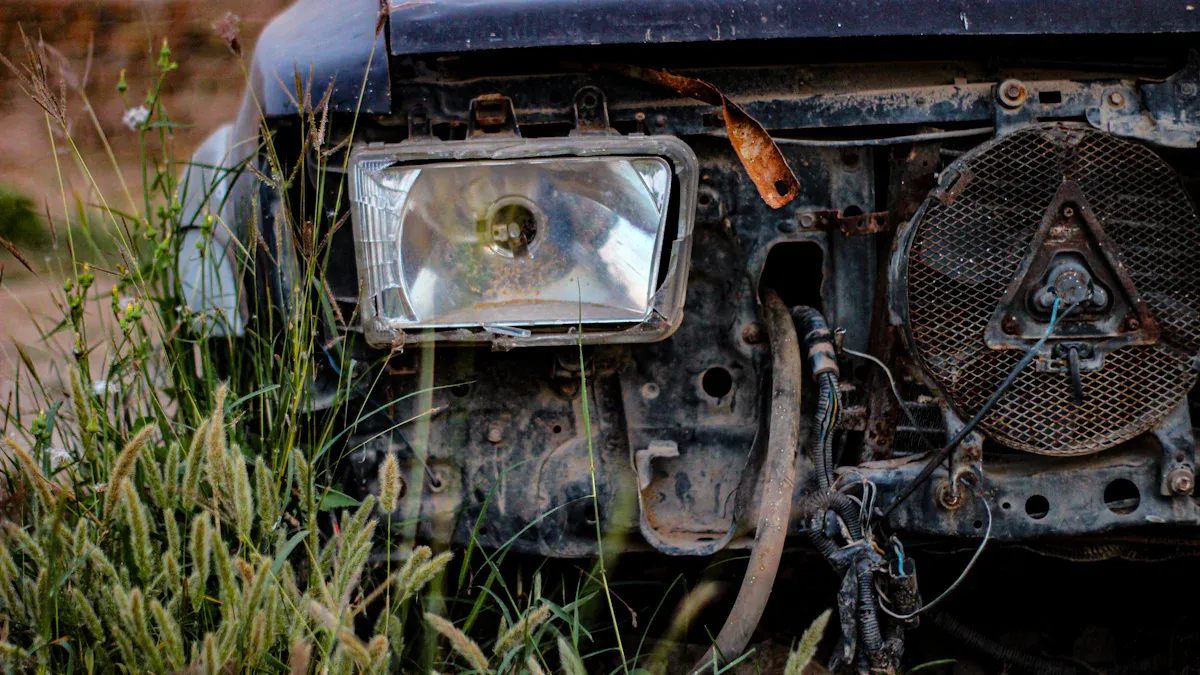
A car bumper is a critical part of a vehicle’s design. It is a structural component. Many people often confuse it with the outer plastic cover. The bumper itself is a robust bar. It sits behind the visible exterior. Its main job is to absorb impacts. This absorption happens during low-speed collisions. Think of it as a “crash bar.” This structural element protects the car’s vital internal parts.
Bumper Materials and Construction
Manufacturers build bumpers for strength. Modern car bumpers commonly use a steel structural section. This section is known as the bumper beam. It provides significant reinforcement. Flexible EPP foam, or bumper padding, often covers this beam. This foam absorbs kinetic energy. The outermost part of the bumper assembly is an injection-molded cover. This cover is typically made from thermoplastic materials. Examples include polypropylene (PP) or polycarbonate (PC). Other common materials for bumpers include:
Plastics: Polyurethane (PUR), ABS, Polyamide (PA), Polystyrene (PS), Polyethylene (PE), Acrylic (PMMA).
Metals: Steel, Aluminum.
These materials work together. They create a strong, energy-absorbing system.
Bumper’s Role in Crash Safety
The bumper plays a vital role in crash safety. Its primary function is to protect internal vehicle components. These include the hood, trunk, and grille. It also shields the radiator and headlights. The bumper absorbs the force of an impact. This prevents damage from reaching more expensive parts. It does not directly protect occupants. Instead, it safeguards the vehicle’s structural integrity. This helps maintain the car’s overall safety performance. A properly functioning bumper reduces repair costs after minor accidents. It is a key part of the vehicle’s passive safety system.
Bumper Cover: Aesthetics and Minor Protection
What is a Bumper Cover
A bumper cover is the outer, visible skin of the bumper assembly. It is often made from plastic. This fascia wraps around the front and rear of a vehicle. Its primary purpose is aesthetic. It gives the car a finished, streamlined look. The bumper cover also contributes to the vehicle’s aerodynamics. It helps air flow smoothly over the car’s body. This component offers minimal impact protection. It is not designed to absorb significant crash forces.
Bumper Cover Materials and Design
Manufacturers use various materials for bumper covers. These materials balance appearance, cost, and minor impact resistance.
Plastic Bumpers: Thermoplastic Olefin (TPO) is a leading material. Plastic covers are cost-effective. They offer good impact resistance for minor bumps. They are easy to mass produce, recyclable, and lightweight.
Fiberglass Bumpers: This material offers a higher strength-to-weight ratio than plastic. Fiberglass allows for custom molding. It provides excellent durability and better heat resistance. Performance vehicles and custom builds often use fiberglass.
Carbon Fiber: This is a premium choice. Carbon fiber provides an exceptional strength-to-weight ratio. It offers superior impact resistance and temperature stability. It also has an appealing aesthetic.
Common thermoplastic materials include:
ABS (Acrylonitrile Butadiene Styrene)
PP (Polypropylene)
TPO (Thermoplastic Olefin)
Thermosets like PUR (Polyurethane) are also used. These materials allow for flexible designs. They integrate seamlessly with the car’s overall styling.
Bumper Cover’s Limited Impact Absorption
The bumper cover has a very limited role in absorbing crash energy. It primarily protects the underlying bumper from minor scratches and dings. Federal regulations state that a car bumper must withstand a 2.5 mph impact without damage. This standard was once 5 mph. Impacts above 2.5 mph will likely cause damage to the bumper cover. Modern designs often bolt the bumper directly to the vehicle’s body. This means impact force transfers directly into the car’s structure. The bumper cover itself offers little structural protection. It is not engineered for significant impact protection.
Fact 1: Structural vs. Cosmetic Function
Bumper’s Structural Integrity
The car’s bumper serves as a crucial structural component. It sits hidden beneath the outer shell. This strong bar protects the vehicle’s frame and internal parts. Its main job is to absorb crash energy. This absorption helps maintain the car’s overall structural integrity during an impact. A strong bumper prevents damage from reaching vital systems like the engine or cooling system. It acts as the first line of defense in low-speed collisions. This structural piece is essential for vehicle safety.
Bumper Cover’s Aesthetic Role
The bumper cover has a very different purpose. It is the painted, outer layer you see on the car’s front and rear. This part is primarily cosmetic. It gives the vehicle its finished look and contributes to its aerodynamic design. The bumper cover also houses features like fog lights or parking sensors. While it protects the underlying bumper assembly from minor scratches, it offers little protection in a crash. Its design focuses on appearance, not on absorbing significant impact forces.
Fact 2: Crash Energy Absorption Differences
Bumper’s Impact Absorption Design
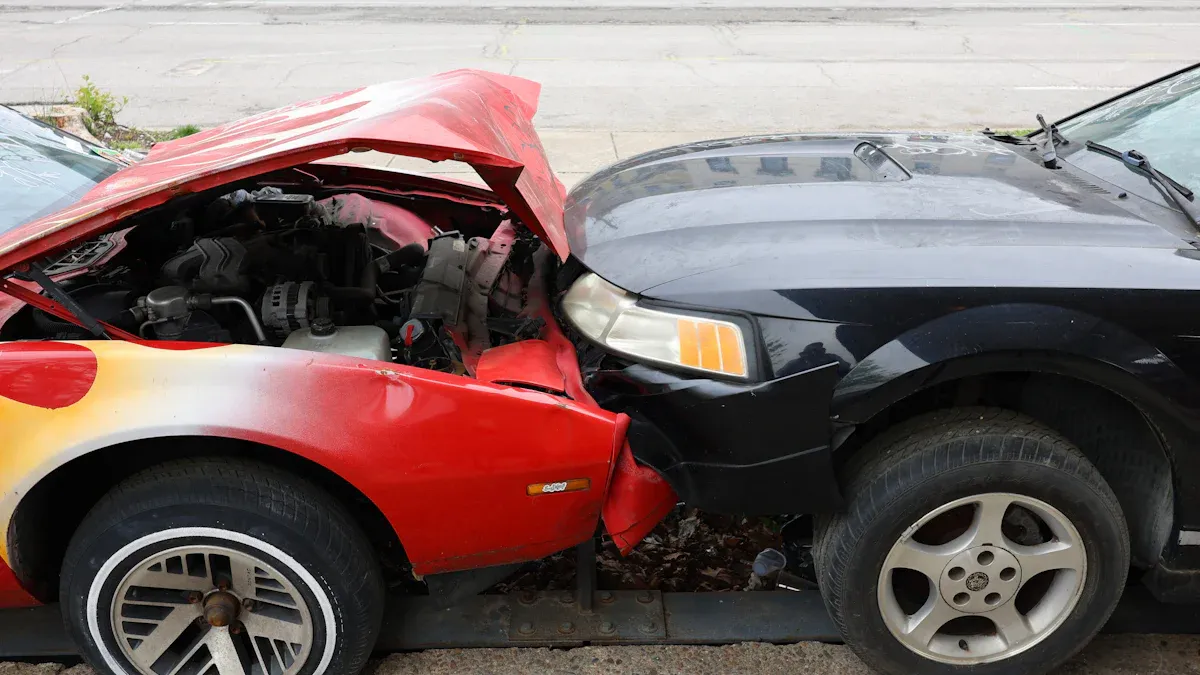
The car’s bumper has a specific design for impact absorption. Engineers build it to deform and absorb energy during impact during collisions. This design protects the vehicle’s structure and occupants. For instance, materials like Aluminium 2024 T-86 can effectively replace carbon fiber in accidents up to 30 kmph. Other materials, such as GMT (Glass Mat Thermoplastic) and SMC (Sheet Molding Compound), work well for crashes under 25 kmph. These materials increase deformation and reduce absorbed stress. This makes them suitable for bumper assembly designs. A spring-supported mechanism can also enhance impact resistance and deformation capabilities. This careful engineering is vital for overall crash safety.
Bumper Cover’s Minimal Force Handling
The bumper cover offers very little in terms of crash energy absorption. It is not a structural part. Its main job is to provide a smooth, finished look. When a vehicle experiences a collision, the bumper cover often cracks or breaks easily. It provides minimal impact protection. The cover simply hides the actual bumper underneath. It does not absorb significant force. Therefore, even minor damage to the bumper cover can hide more serious damage to the structural bumper or other internal components.
Fact 3: Visible vs. Hidden Damage
Bumper Cover Damage Indicators
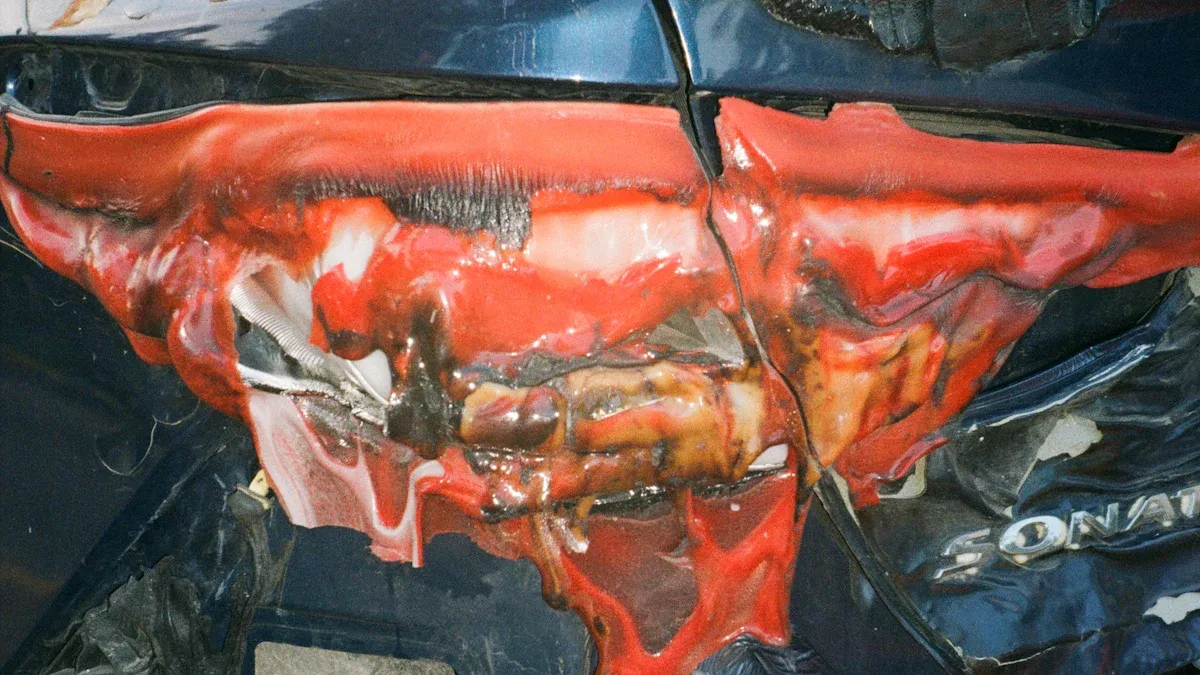
Drivers often see damage to the bumper cover. This outer layer shows scratches, scuffs, or cracks. A minor fender bender can cause these visible marks. Dents or paint chips also appear on the surface. These indicators are easy to spot. They often seem cosmetic. However, visible damage to the bumper cover does not always show the full extent of an accident. It can hide more serious problems underneath.
Hidden Bumper Damage Risks
Even a small impact can cause significant hidden bumper damage. The outer bumper cover might look fine. Yet, the structural bumper or its mounting points could suffer damage. A loose or misaligned bumper often indicates hidden damage. It does not sit flush with the car body. This impacts optimal protection during collisions. Rattling noises while driving suggest loose parts. Bumper components may not be securely attached. This points to internal issues. Reduced shock absorption is another sign. Even minor nudges cause significant jarring. This shows compromised bumper assembly capacity. Hidden damage can affect the vehicle’s safety systems. It can also lead to higher repair costs later. Always get a professional inspection after any collision. This ensures all parts are safe and functional.
Fact 4: Repair vs. Replacement Decisions
Deciding between repairing or replacing a damaged vehicle part involves many factors. Owners must consider the extent of the damage, cost, and desired outcome. This decision is especially important for the car’s front and rear.
Bumper Repair Considerations
Many factors determine whether a damaged bumper can undergo repair or requires replacement. Minor scratches, scuffs, or small dents often allow for repair. This applies if the damage is less than 2-3 inches and only affects the plastic cover. The metal structure underneath must remain intact. Repair is generally more affordable. Costs range from $50 to $1000. It is also faster, often taking hours to a few days. Insurance companies often prefer the cheaper repair option if feasible. For older or high-mileage vehicles, repair is often more economical. If a bumper has previous damage or shoddy repairs, further repairs may yield unsatisfactory results. In such cases, replacement offers a fresh start.
Bumper Cover Replacement Options
Major damage to the bumper cover typically requires replacement. This includes cracks, tears, or holes larger than 3 inches. Damage to the underlying metal reinforcements also necessitates replacement of the entire bumper assembly. Replacement costs more, ranging from $1000 to $3000 or more. It also takes longer, from 5 days to over two weeks. This is due to parts ordering, labor, and painting. Replacement guarantees a flawless, factory-quality finish. Repairs, while often good, may not perfectly match the original finish, especially for moderate damage. For severe damage, insurance companies may mandate replacement for safety and proper function. For newer or luxury vehicles where appearance is crucial, replacement might be preferred.
Fact 5: Cost Implications of Damage
Damage to a vehicle’s front or rear can lead to varying repair expenses. The cost depends heavily on which part sustains the damage. It also depends on the severity of that damage.
Bumper Repair Costs
Repairing a damaged bumper involves different price points. Minor scratches can cost between $50 and $600, depending on their depth. Traditional dent repair for a rear bumper typically falls within the $150 to $600 range. For more significant damage, such as cracks, holes, or punctures, the cost generally ranges from $325 to $425. These figures apply when the damage is repairable. For minor bumper damage, the repair cost typically ranges from $50 to $300. More severe damage can cost between $300 and $700 or more. A complete bumper replacement, however, can range from $1,000 to $5,000. This higher cost reflects the labor and parts needed for a full replacement.
Bumper Cover Repair Costs
Damage to the bumper cover often falls under the general bumper repair cost categories. Since the bumper cover is the outermost layer, it frequently sustains the initial impact. Minor scuffs or paint chips on the bumper cover are usually less expensive to fix. These cosmetic repairs might only require sanding and repainting. However, if the bumper cover has large cracks, tears, or holes, it often requires replacement. This replacement includes the cost of the new part, painting to match the vehicle’s color, and labor. Even if only the bumper cover appears damaged, technicians must inspect the entire bumper assembly for hidden structural issues. This inspection ensures proper safety and function.
Fact 6: Safety System Integration and Sensors
Bumper’s Role with Advanced Safety Features
Modern cars use advanced driver-assistance systems (ADAS). These systems improve safety. They rely on sensors. Radar sensors are crucial for functions like adaptive cruise control. They also help with collision avoidance. Manufacturers integrate these sensors into the bumper. They can be behind emblems or grilles. Sometimes they are directly within the bumper, often under a radome. This placement allows for flexible design. It helps with both radar equipment and the bumper’s look. The bumper’s material and thickness can affect sensor signals. This is called signal attenuation. It is usually less than 1.25 dB. Thicker varnish or talc on the bumper can increase this attenuation.
Bumper Cover’s Impact on Sensor Function
The bumper cover plays a role in how sensors work. Its shape can distort radar waves. Concave or angular fascia can change the radar wave’s shape. This causes sensors to misread object locations. The material and thickness of the bumper cover are very important. Aftermarket parts must match original equipment specifications. This includes material, thickness, and curvature. This is especially true within the radar projection area. This area is typically 12×12 inches. This ensures ADAS performance does not degrade. Metal parts, like bull bars, can cause major interference. Their placement must consider the radar sensor’s location. Designers must also account for the “magic area.” This is where radar signals start and spread. Any changes in this area must be precise. Even small alterations like sanding are not allowed by manufacturers. This ensures the vehicle’s advanced systems work correctly during an impact. The entire bumper assembly needs careful consideration.
Fact 7: Legal and Regulatory Standards
Bumper Safety Standards
Governments establish strict rules for car bumpers. These rules ensure the bumper provides essential protection. For example, the United States has Federal Motor Vehicle Safety Standards (FMVSS). These standards dictate how a bumper must perform in low-speed crashes. They require the bumper to absorb impact energy. This prevents damage to the vehicle’s safety components. It also helps reduce repair costs after minor collisions. These regulations focus on the structural bumper. They ensure it protects the car’s frame and internal systems. This contributes significantly to overall crash safety. These vehicle safety standards aim to protect the car’s integrity. They do not directly protect occupants.
Bumper Cover Design Freedom
The bumper cover faces fewer strict regulations. Its primary role is aesthetic. Car designers have much more freedom with its appearance. They can shape it to match the vehicle’s overall style. They can also integrate features like grilles or fog lights. The bumper cover does not need to meet the same rigorous impact absorption tests as the structural bumper. Manufacturers can use various materials and designs. This allows for diverse vehicle looks. The design freedom for the bumper cover contrasts sharply with the strict rules for the underlying bumper assembly. This difference highlights their distinct functions. One protects, the other beautifies.
Fact 8: DIY vs. Professional Repair
DIY Bumper Cover Fixes
Drivers can often handle minor damage to a car’s bumper cover themselves. Small scratches and cosmetic issues are frequently fixable. Paintless repair methods work well for minor damage to molded-in-color bumper covers. These methods help restore the original appearance without extensive paintwork. For bent and warped bumper covers, plastic welding offers a solution. This technique uses heat to reshape and strengthen parts with extra plastic. Sometimes, removing the bumper allows for better internal repair. For shallow dents, special tools can gently push them out from the inside. This preserves the original factory finish. Simple household items like a kettle, hair dryer, and a baseball bat can also help reshape a warm plastic bumper. You warm the area with boiling water and a hair dryer. Then, you apply pressure from behind with a rounded object.
Professional Bumper Repair Necessity
Many types of damage, however, demand professional repair. Severe damage includes large cracks, holes, or extensive structural issues. This compromises the bumper’s ability to absorb impact. It also affects the alignment of other body panels. If the bumper’s crumple zones or impact absorption materials are damaged, professional repair is essential. This restores the vehicle’s protection and functionality. Even small cracks should receive professional attention early. This prevents them from growing and compromising structural integrity. Visible damage like significant cracks, dents, or scratches can impact vehicle function. They can also lead to rust if left unaddressed. Structural issues, such as a misaligned bumper or gaps between the bumper and the car body, indicate underlying damage. Damage to the hooks, screws, and fasteners holding the bumper in place also often necessitates professional replacement. This ensures the vehicle’s safety systems work correctly after an impact.
Fact 9: Resale Value Impact
Undetected Bumper Damage and Resale
Undetected bumper damage significantly affects a vehicle’s resale value. Prospective buyers carefully examine a car’s condition. Unaddressed hidden damage, such as undetected bumper damage, can substantially lower a vehicle’s resale value. This happens because buyers look closely at the vehicle. When inspections uncover undetected bumper damage, the vehicle’s resale value decreases. Potential buyers may refuse to purchase the vehicle. They might also demand significant price reductions. This hidden damage suggests deeper issues. It makes buyers wary of future repair costs. A car with a compromised bumper structure appears less reliable. This impacts its market appeal.
Bumper Cover Damage and Resale Perception
Damage to the bumper cover also impacts resale value. This damage is often visible. Scratches, dents, or cracks on the bumper cover are easy to see. Buyers often perceive these cosmetic flaws as signs of neglect. They might assume the car has been in more serious accidents. Even minor visible damage can lead to lower offers. Buyers want a car that looks well-maintained. A pristine exterior suggests better overall care. Repairing bumper cover damage before selling can help. It improves the car’s appearance. This can lead to a better selling price. It also gives buyers more confidence in the vehicle.
Fact 10: Damage Prevention and Maintenance
Protecting Your Bumper
Drivers can take proactive steps to protect their car’s structural bumper. Careful driving habits are essential. Always maintain a safe following distance from other vehicles. This reduces the risk of sudden impacts. Use parking sensors and rearview cameras. These tools help drivers navigate tight spaces. They prevent low-speed collisions. Parking carefully also minimizes accidental bumps. For example, drivers can back into parking spots. This often provides a clearer view when leaving. The structural bumper provides crucial protection for the vehicle’s internal components. Keeping it intact ensures the car’s overall safety. A well-preserved bumper maintains its ability to absorb crash energy. This safeguards the vehicle’s integrity during an accident.
Maintaining Your Bumper Cover
Maintaining the bumper cover helps preserve the car’s appearance. Regularly wash the bumper cover. This removes dirt, grime, and road salt. These elements can degrade the finish over time. Apply a protective wax or sealant to the bumper cover. This adds a layer of protection against minor scratches and UV damage. Address small scuffs or paint chips promptly. Use touch-up paint for minor cosmetic flaws. This prevents them from worsening. Avoid leaning on the bumper cover. Do not use it as a step. This can cause stress cracks or damage the mounting points. If the bumper cover develops a crack, repair it quickly. Small cracks can grow larger. This exposes the underlying structural bumper to elements. A well-maintained bumper cover reflects good vehicle care. It also helps prevent minor issues from becoming more significant problems.
The structural bumper and the cosmetic bumper cover are distinct. This blog’s 10 facts show how each contributes to vehicle integrity and crash safety. Understanding these differences helps with accurate damage assessment and appropriate repair decisions. It also helps manage repair costs. Always seek professional inspection after any impact, even if only the bumper cover looks damaged. This ensures the underlying structural components and the bumper itself maintain structural integrity. Informed knowledge leads to safer driving and smarter vehicle ownership.