Have you noticed visible cracks in your car’s tires? This is often dry rot in car tires, a dangerous condition where the rubber weakens, especially sidewall cracking. This silent threat can lead to sudden tire failure. Tire problems are a major crash factor; one study found 22.4% of defects in crashes were tire blowouts. Additionally, 9% of all national crashes involved pre-crash tire issues. These accidents are costly, with non-fatal injuries averaging $98,000 and deaths $1.66 million. Understanding tire dry rot is crucial. This article provides essential knowledge to protect your life and investment.
Key Takeaways
Dry rot makes car tires unsafe. It causes cracks in the rubber. This can lead to sudden tire failure.
Look for cracks on tire sidewalls and tread. Also, check for discoloration or a hard feel. These are signs of dry rot.
Protect your tires from sun and harsh chemicals. Keep them properly inflated. Drive your car regularly to prevent dry rot.
Check your tires often. Get them inspected by a professional every year. Replace tires that are older than six years.
Never drive on tires with dry rot. It is very dangerous. Replace them right away to stay safe.
Understanding Dry Rot in Car Tires: Dangers and Definition
The Silent Threat to Tire Integrity
Dry rot in car tires is a serious problem. It is the silent deterioration of your tire rubber. This process weakens the rubber, making your tires unsafe. Rubber degradation involves the destruction of the tire’s internal structure. It shortens the carbon chains that give rubber its strength. Ozone, a gas from car exhaust, also causes rubber to break down. When ozone touches rubber, it creates tiny cracks. It breaks the chemical bonds that keep your tires flexible. Continued exposure makes these cracks grow larger. This silent damage can lead to sudden tire failure.
Visual Cues: Sidewall Cracking and Hairline Cracks
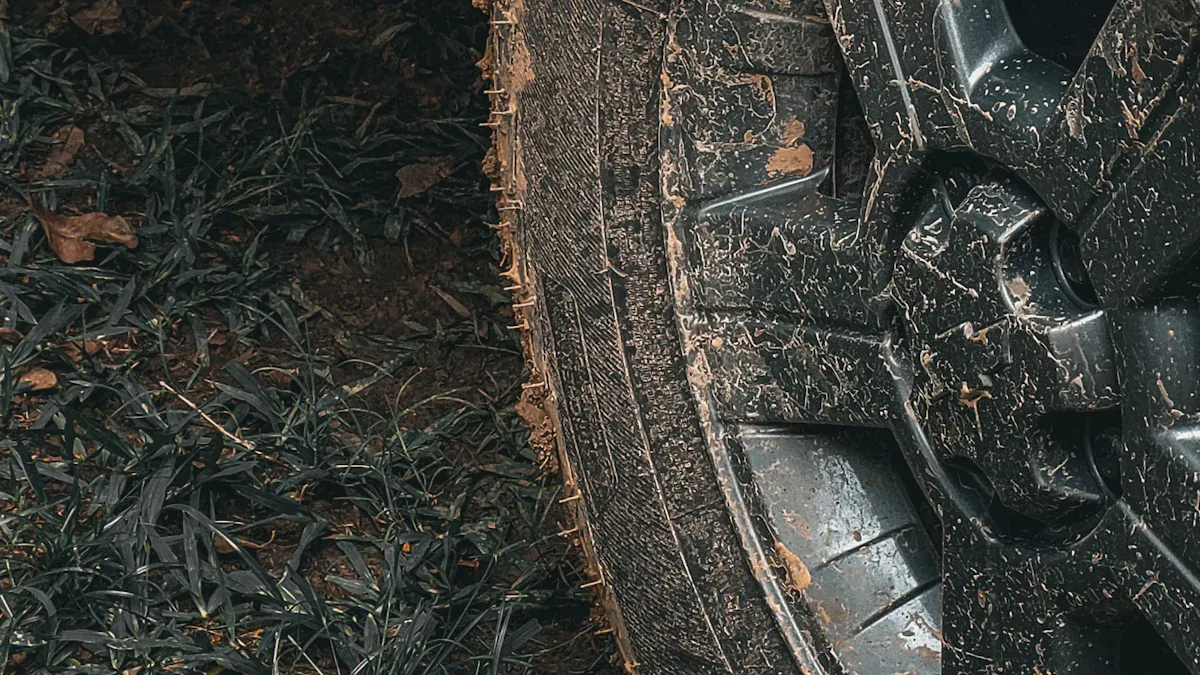
You can spot tire dry rot by looking for specific visual cues. The most common sign is sidewall cracking. These cracks can be small, like hairline cracks, or they can be deep grooves. Early signs include small, thread-like fissures, often in a spiderweb pattern on the tire’s surface. You might also see discoloration, where the tire fades from black to gray or brown. The rubber may feel hard and less flexible, losing its glossy finish. As dry rot gets worse, you will see deep cracks that go into the tire’s inner layers. Internal cords might become visible. Sections of rubber can start to flake off, or you might notice bulges where the tire’s structure is weak.
Safety Risks of Compromised Tires
Driving on tires with dry rot is very dangerous. Even small sidewall cracks can lead to sudden tire failure. These cracks weaken the tire’s structure over time. This creates weak spots, especially when you are driving. The biggest risk is a catastrophic blowout. This is when your tire rapidly loses air or explodes. A blowout can cause your vehicle to swerve unexpectedly, especially at high speeds. Unaddressed cracks will eventually lead to a split tire, making the wheel unusable. Visible cracks can quickly become major cracks, greatly increasing the risk of a sidewall blowout. You must address dry rot in car tires immediately to protect yourself and others.
Primary Causes of Tire Dry Rot
Environmental Exposure: UV Rays and Extreme Temperatures
Direct sunlight and ultraviolet (UV) rays are major enemies of your tires. UV radiation directly damages tire rubber. It causes premature sidewall breakdown. UV-weathered tire particles show higher biodegradability compared to new ones. UV-aging leads to an average abiotic degradation rate of 0.025 per day for tire tread particles. During this process, the average particle size reduces. UV-aging also reduces sulfur content, which suggests the rubber’s structure breaks down. UV-induced oxidation significantly decreases important chemical additives in your tires. Extreme temperatures also play a role. Both extremely high and low temperatures can make rubber brittle.
Chemical Degradation from Abrasive Products
Certain chemicals you use on your car can harm your tires. Color-changing wheel cleaners can accelerate tire browning. This happens by oxidizing protective chemicals in the tire. You must thoroughly scrub tires after using such cleaners. Solvent-based silicone dressings are also harmful. These are often clear, greasy liquids with petroleum solvents. They remove elasticity from rubber. This causes the rubber to dry out and become inflexible. A production manager from DUNLOP stated that general tire dressings from local auto parts stores are detrimental. They leach necessary chemicals and oils from the tire. These chemicals are crucial for maintaining good condition.
Insufficient Tire Pressure and Overloading
Maintaining correct tire pressure is vital. Underinflated tires deform more. This leads to increased friction and excess heat buildup. This weakens the tire’s foundation. It can cause failure, especially on long drives or with heavy loads. Overinflated tires become overly firm. This reduces their ability to absorb road impacts. It increases the likelihood of blowouts. Overloading your vehicle beyond its recommended capacity adds undue stress to tires. This makes them prone to blowouts. Overloading compromises a tire’s integrity and accelerates tire wear.
Infrequent Use and Improper Storage
Tires contain protective chemicals. These chemicals migrate to the surface during regular driving. They shield the rubber from environmental damage. Infrequent use prevents this release. This accelerates tire dry rot. Improper storage can also cause dry rot. It can develop after just one season of poor storage. Tires degrade over time due to UV rays, temperature changes, moisture, and inactivity. This leads to dry rot and cracking.
Tire Age and Manufacturing Factors
Tires do not last forever. They degrade over time, even if you do not drive much. The rubber compounds naturally break down with age. Most tires can last up to 6 years in storage under normal conditions. Some high-quality tires might last up to 10 years. However, you should have them checked yearly after 5 years. Manufacturing factors also play a role. The quality of materials and the manufacturing process affect how long a tire resists dry rot.
Identifying Dry Rot: Your Inspection Guide
Where to Look for Cracks: Sidewalls and Tread
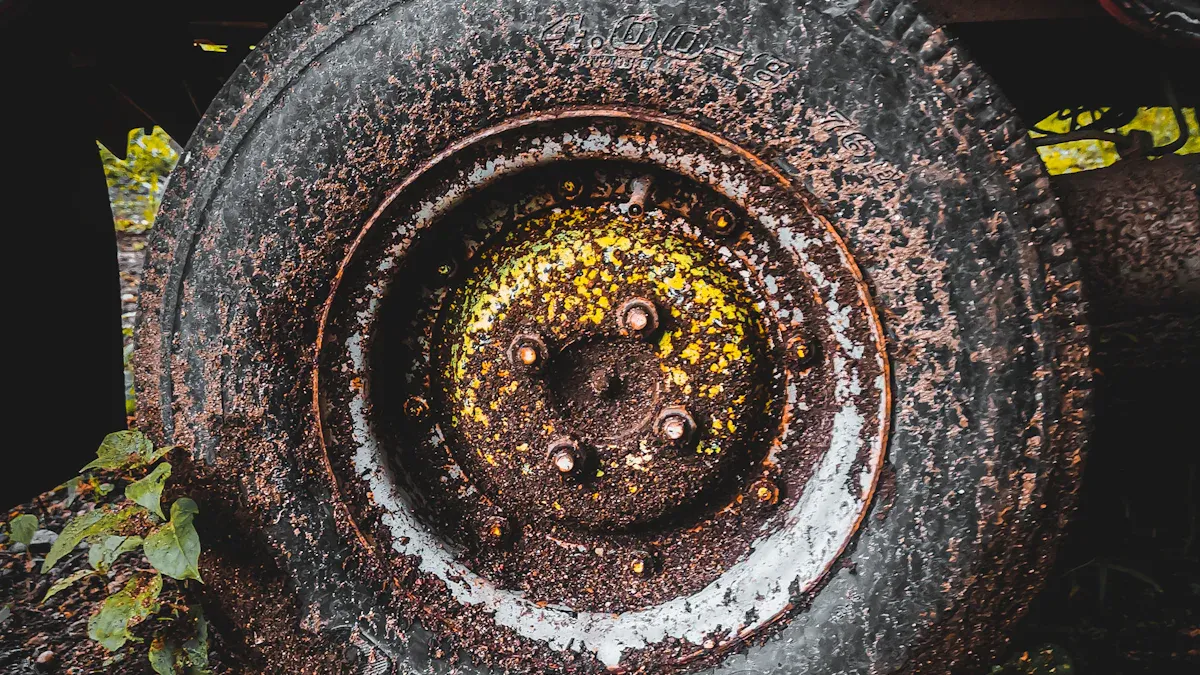
You must regularly inspect your tires for signs of dry rot. Start by examining the sidewalls. These are the smooth, vertical sides of your tire. Look closely for any small lines or cracks, especially near the rim where the tire meets the wheel. Also, check the tire tread. Dry rot can appear in the grooves between the tread blocks. You might see a network of fine cracks, often described as a spiderweb pattern. Pay attention to the areas where the sidewall meets the tread. These spots often show the first signs of rubber degradation.
Differentiating Dry Rot from Minor Wear
It is important to tell the difference between dry rot and normal wear. Minor surface cracks, sometimes called “weather checking,” can appear on older tires. These are usually very shallow and do not penetrate the rubber deeply. Dry rot cracks, however, are typically deeper and more widespread. They often feel rough to the touch. If you can see the cracks clearly without stretching the rubber, or if they appear in multiple places, you likely have dry rot. Normal wear usually shows as reduced tread depth, not cracking.
When to Seek Professional Assessment
If you find any cracks, or if you are unsure about the severity of what you see, seek professional help immediately. A tire expert can accurately assess the condition of your tires. They use specialized tools to check the rubber’s integrity. Do not delay if you suspect dry rot. Driving on compromised tires is dangerous. You should check your tires regularly, especially before long trips. A professional can confirm if your tires are safe or if you need replacements.
Preventing Dry Rot: 9 Life-Saving Tire Maintenance Lessons
You can take many steps to keep your tires healthy. These actions help you avoid dry rot. They also extend the life of your tires. Follow these nine life-saving lessons for better tire maintenance.
Lesson 1: Regular Cleaning and Conditioning
Clean your tires often. This removes dirt and grime. It also washes away harmful chemicals. Use products designed for tires. For example, Adam’s Tire & Rubber Cleaner is safe for all rubber surfaces. It cleans discoloration, oxidation, and mold release agents. You can use it in full sun. It works on rubber, plastic, or non-porous polycarbonate surfaces. hyperCLEAN TRX is another versatile cleaner. It protects delicate exterior surfaces. It removes dirt, grime, and old dressings without damage. Always choose water-based products. They are less likely to harm rubber. Avoid petroleum-based or solvent-based dressings. These can cause rubber degradation. Regular cleaning with mild soap and water is also effective.
Lesson 2: Proper Tire Storage Practices
Store your tires correctly when you are not using them. Keep them in a cool, dry place. Avoid direct sunlight. Sunlight causes UV damage. Keep tires away from extreme temperatures. Both very hot and very cold conditions harm rubber. Store tires off the ground. Use racks or stands. This prevents flat spots. Proper storage helps prevent dry rot.
Lesson 3: Maintaining Correct Tire Pressure
Check your tire pressure regularly. Correct tire pressure is a simple check. It makes a world of difference. It prevents tires from wearing out faster. It also stops uneven wear. This extends your tire’s lifespan. Maintaining proper tire pressure helps identify and prevent tire deterioration. It also reduces the risk of dry rotting. Underinflated tires build up too much heat. Overinflated tires can crack more easily. Always follow your vehicle’s recommended tire pressure.
Lesson 4: Avoiding Harsh Chemicals
Be careful with tire care products. Some chemicals can harm your tires. Avoid solvent-based tire dressings. These often contain petroleum distillate solvents. Petroleum distillate solvents can cause premature rubber deterioration. They also lead to cracking over time. While 6PPD is a good antioxidant, its breakdown product, 6PPD-quinone, is hazardous. Research is looking for safer alternatives. Stick to water-based cleaners and protectants. They are much gentler on your tires.
Lesson 5: Routine Vehicle Use
Drive your car regularly. This helps your tires stay healthy. Regular vehicle operation generates tire wear particles. This process involves continuous abrasion, heat, and ozone exposure. Tires interact with road surfaces. This movement helps release protective chemicals embedded in the rubber. These chemicals migrate to the surface. They shield your tires against environmental damage. Infrequent use prevents this release. This can accelerate dry rot.
Lesson 6: Protecting Tires from Direct Sunlight
Sunlight is a major enemy of tires. Protect your tires from direct sun exposure. Apply a high-quality tire protectant. This creates a UV-resistant barrier. It shields the rubber from harmful rays. It also maintains its appearance. Park in the shade whenever possible. This limits direct sun exposure. Use car or tire covers for unavoidable sun. Clean your tires regularly with gentle soap and water. This removes dirt that can trap heat. Follow with a protectant for added defense. For long-term parking, invest in tire covers. They offer comprehensive protection. They guard against sunlight, dirt, and pollutants. This reduces dry rot and UV damage. Remember to check and maintain tire pressure. Proper inflation is crucial.
Lesson 7: Rotating Tires Regularly
Rotate your tires often. Regular tire rotation is crucial for tire maintenance. It ensures even distribution of wear and tear. This practice extends your tire lifespan. It also enhances fuel efficiency. Uneven wear leads to premature tire degradation. This can result in poor vehicle handling. It also increases the risk of tire blowouts. Regular rotation helps prevent dry rot. It keeps the rubber working evenly. This reduces the chance of cracks forming in one spot.
Lesson 8: Understanding Tire Age Limits
Tires do not last forever. Rubber compounds break down over time. This happens even if you do not drive much. Most tires last up to 6 years. Some high-quality tires might last up to 10 years. Have your tires checked yearly after 5 years. Look for the manufacturing date on the sidewall. It is a four-digit number. The first two digits are the week. The last two are the year.
Lesson 9: Investing in Quality Tires
Choose good quality tires. Quality tires use better materials. They also have better construction. This makes them more resistant to dry rot. They often contain more effective protective chemicals. These chemicals last longer. Investing in quality tires is an investment in your safety. It also saves you money in the long run.
What to Do If You Discover Dry Rot
Finding dry rot on your tires can feel alarming. You must know what steps to take next. Your safety on the road depends on it.
Assessing Dry Rot Severity
You need to carefully look at your tires to understand the problem. Dry rot shows several clear signs. You might see small cracks or fissures on the sidewalls or the tread surface. These can range from fine lines to deeper, more noticeable cracks, especially where the tire meets the rim. The rubber might feel brittle or flaky. This indicates the rubber is crumbling or deteriorating. Your tires may also appear dull, faded, or discolored, losing the luster of healthy tires. This suggests the rubber compounds are breaking down. Look for bulges or blisters on the tire’s surface. These abnormalities compromise the tire’s structure and increase the risk of a blowout.
You also need to check your tread depth. This ensures your tread is above the legal limit, usually 2/32 of an inch. Dry rot can accelerate wear, making this check even more important. Consider the age of your tires. Most manufacturers recommend you replace tires six years or older, regardless of their visual condition. Dry rot can occur over time even without visible signs. Small cracks can expand and grow, eventually reaching the tire’s cords. This expansion, especially with long distances and overheating, can cause the rubber to break apart. This leads to a loss of vehicle control. Dry rot also makes it harder for your tires to grip the road, increasing accident risk. You will see obvious signs like a series of cracks on the tire’s surface and a hard or brittle surface. If you see severely cracked sidewalls, inflexible tread, or rubber that may fall apart at any moment, you have a serious problem.
Dangers of Driving on Rotted Tires
Driving on tires with advanced dry rot is extremely dangerous. Dry rot significantly weakens your tires. It makes the tire’s sidewall unsafe during performance. Cracks can deepen, leading to sudden tire blowouts. This can cause air leaks, dry rot tire blowouts, or even tread separation. Cracked tires do not have a long life cycle left.
You have a legal duty to maintain safe tires. This comes from traffic safety laws and the general principle of negligence. Negligence requires you to take reasonable care to avoid harming others. Failing to maintain safe tires can lead to legal consequences. If an accident occurs due to tire failure, you could be liable for injuries or damages. Neglecting routine tire maintenance or ignoring visible signs of wear, like dangerously low tread or damaged tires, can be considered a breach of duty. In accident investigations, experts examine tire condition. They determine if poor maintenance contributed to the crash. If negligence in tire maintenance links to an accident, such as a blowout causing loss of control, courts may assign fault to you. This impacts personal injury claims and insurance payouts. It can also lead to lawsuits. Commercial drivers and fleet operators face stricter regulations. These include mandatory regular inspections and documentation. Non-compliance can result in steep penalties and liability in crash-related lawsuits. Ignoring tire maintenance is a legal risk. It can lead to civil liability, fines, and even criminal charges in serious cases.
When Tire Replacement is Necessary
Sometimes, you must replace your tires, even if they still have good tread. You need tire replacement when cracks are visible on the sidewall or tread. Even if they start small, these cracks will spread and weaken the tire. This significantly increases the risk of failure. If your tire’s color changes to dull, gray, or faded, it indicates the breakdown of oils in the rubber. This increases brittleness. If the tire feels hard, flaky, or crumbles when you compress it, it signifies a loss of flexibility and resilience. This is essential for safe driving. A tire that consistently loses air pressure without any apparent leaks suggests soft rubber and cracks from dry rot are allowing air to seep out. Finally, if your tire is more than six years old, you should replace it. Rubber naturally deteriorates with age, and dry rot can develop internally, regardless of visible damage or usage.
Professional Inspection and Replacement
You should inspect your tires for signs of dry rot at least once a year. Early spring or fall are ideal times, as summer or winter conditions can accelerate dry rot. A professional inspection offers peace of mind and expert assessment. During an inspection, a technician will:
Clean the sidewall for clear visibility.
Check for cuts, punctures, or bulges.
Look for weather cracking or dry rot.
Verify the DOT date code. You should replace tires if they are older than 6 years.
Check for repairs or patches.
Document any abnormalities found.
Professionals look for hairline cracks in the tire sidewall. They check for tire peeling on the sidewall or rubber coming off. They note if the black color fades to gray. They also look for cracks on the tread and between treads. Sidewall weathering, where the sidewall area is harder with rubber peeling off when touched, is another sign. They identify tire sidewall cracking, whether small or large cracks. Finally, they check for tire tread cracking, which indicates advanced dry rot spreading to the tread area. Check your tire’s age (DOT date code) to help determine if new tires are needed, especially if they are older than 6 years.
Understanding dry rot in car tires is crucial for your safety. You must identify and prevent tire dry rot. Our 9 Life-Saving Lessons provide actionable steps. These lessons help you maintain your tires. Adopt proactive tire maintenance habits. This protects your life and vehicle. Always check your tires regularly. This simple habit keeps you safe on the road.
FAQ
Can you repair dry rot on tires?
No, you cannot repair dry rot. Once dry rot appears, the rubber has already deteriorated. Repairing it is not possible. You must replace the tire to ensure your safety.
How often should you check your tires for dry rot?
You should visually inspect your tires at least once a month. Check them more often before long trips. Look for cracks, discoloration, or brittleness. A professional should inspect them yearly.
What happens if you drive on tires with dry rot?
Driving on rotted tires is very dangerous. The weakened rubber can lead to sudden tire blowouts. This causes loss of vehicle control. You risk serious accidents and injuries.
Does tire shine prevent dry rot?
Some water-based tire protectants can help. They create a UV barrier. Avoid solvent-based tire shines. These products can actually accelerate rubber degradation. Always choose quality, water-based options.
How old is too old for a tire, even without visible dry rot?
Most tire manufacturers recommend replacing tires after six years. This applies even if they look fine. Rubber compounds break down over time. This happens regardless of mileage or visible damage.