Imagine the frustration when your car door won’t close properly. This isn’t just an annoyance; it creates an immediate safety hazard for you and your passengers, not to mention significant inconvenience. Often, the culprit behind a car door that won’t close is a simple issue like a faulty latch, a misaligned striker, or minor alignment problems. The good news? Many of these issues can be resolved with a bit of DIY effort. This practical guide offers 11 easy solutions to tackle a car door that won’t close, helping you regain instant safety and peace of mind.
Key Takeaways
A car door that does not close is a safety risk. Fix it quickly to keep everyone safe.
Many door problems are simple. You can often fix them yourself with basic tools.
Check the latch, striker, and hinges first. Clear any dirt or debris you find.
Lubricate door parts twice a year. This helps them work smoothly.
If DIY fixes do not work, get professional help. Some problems are too complex for home repair.
Why Your Car Door Won’t Close
Common Culprits: Latch, Striker, Hinges, Obstructions
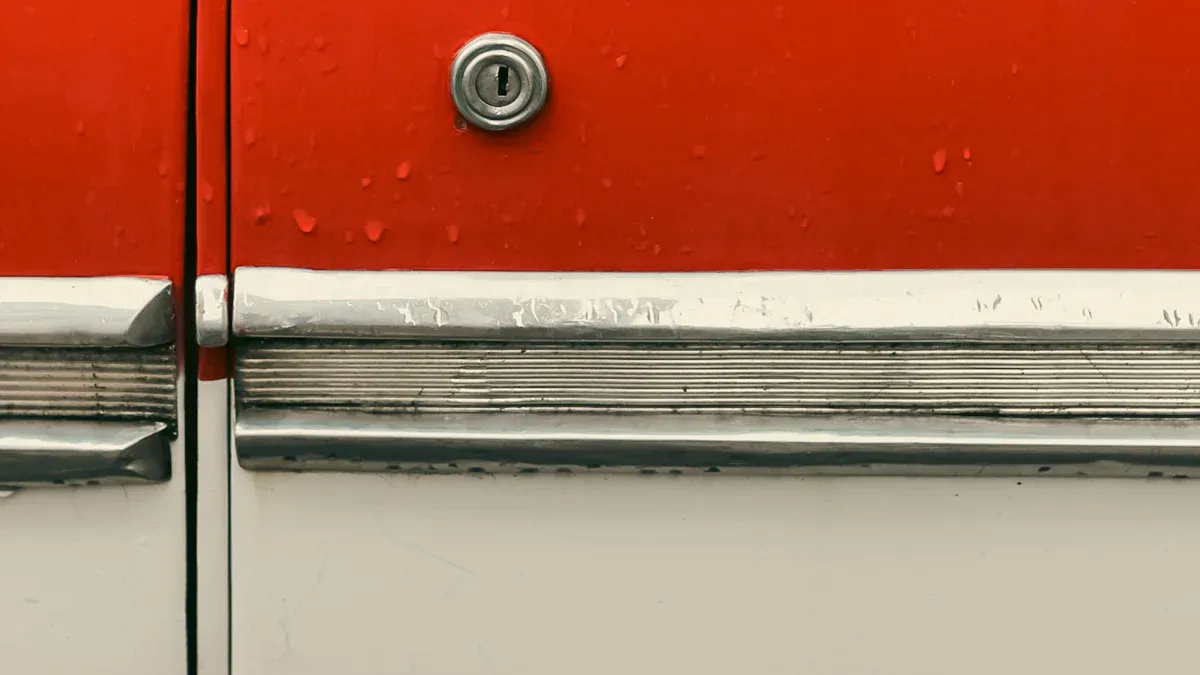
When your car door won’t close, several parts could be the problem. You should first look at the latch, the striker, and the hinges. The latch is the mechanism on the door itself that catches. The striker is the metal loop or pin on the car frame that the latch grabs onto. Hinges hold the door to the car body. They can bend or loosen. Sometimes, something simply blocks the door from closing.
Newer cars often use electronic door handles. These handles need electricity and motors to work. They replace older mechanical latches. If your car loses power, these electronic handles can fail. This can trap you inside. For example, a Bloomberg investigation found many reports of people trapped in Tesla vehicles. This happened because their electronic door handles failed. Some people even got serious injuries. Federal regulators are now looking into some Tesla models. They worry about defective electronic door releases. These releases are hard to open from the outside if the car battery dies. This raises concerns about children getting trapped.
You might also find issues with door actuators. These parts control your door locks. Owners of Honda Accord cars often report problems with them. These actuators might lock on their own. They might also fail to lock or unlock without you doing anything. This problem often comes and goes. One Honda Accord owner even reported their key stopped working in the door. Their remote entry fob also failed. They needed to fix the lock cylinder to manually lock and unlock the door.
Immediate Safety Concerns of an Open Door
A car door that won’t close creates serious safety risks. You cannot drive safely with an open door. The door could swing open completely while you are moving. This increases the chance of injury. Ford once recalled vehicles because of this. They stated that a latch not fully engaging the door striker could cause the door to open while driving. This greatly increases injury risk.
The National Highway Traffic Safety Administration (NHTSA) warns about another danger. If you are thrown from a vehicle during a crash, your chance of dying is 23 times higher. A faulty latch makes it easier for you to be ejected during an accident. This increases your risk of fatal injury. You must fix a car door that won’t close quickly to keep everyone safe.
The 11 Easy DIY Fixes
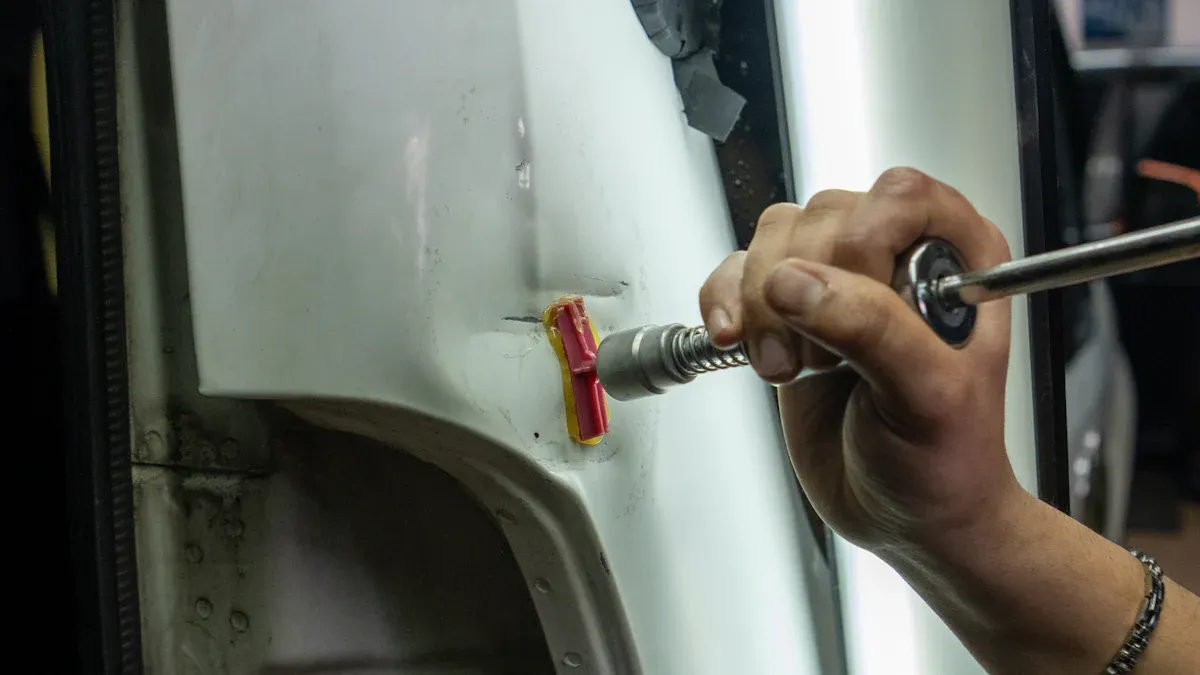
You can often fix a car door that won’t close with simple tools and a little effort. Start with the easiest fixes first. This approach saves you time and money.
1. Inspect and Clear Latch Mechanism
First, look closely at your car door’s latch. This is the part on the door that hooks onto the car frame. Sometimes, debris gets stuck inside it. You might find grunge, grime, or even rust blocking the mechanism. These things stop the latch from moving freely. Also, old grease can harden over time. This hardened grease, mixed with dust, can make parts inside the latch stick. A lock rod can also come loose. This stops your door from unlocking even if the lock mechanism moves.
Check if the latch jaw is in a “closed” position. This means it looks like it already latched, even though the door is open. If you see this, pull your car’s exterior door handle. This action should make the latch jaw spring open. Clear away any dirt or debris you find. Use a small brush or a pick to get into tight spots.
2. Lubricate the Latch Assembly
A sticky latch often needs lubrication. Use a good lubricant to help the parts move smoothly. White lithium grease (the tube type, not spray) works well. You can also use synthetic grease or motorcycle chain lubricant like PJ-1. These products help reduce friction. If you see rust, use a rust remover first.
Important Tip: Do not use boiling water to thaw a frozen latch. This can cause more damage.
You should lubricate your car door locks, hinges, and latches twice a year. Think of it as seasonal maintenance. Spring and fall checkups are perfect times. This helps keep your door working well as temperatures change. Be careful not to spray lubricants onto raw fiberglass door panels. The lubricant can soak into the panel. This might cause paint problems later. It is best to remove the latch assembly, clean it, and then lubricate it away from the car. This prevents any overspray issues.
3. Check and Adjust Striker Plate
A misaligned striker plate is a very common reason your car door won’t close. The striker plate is the metal loop or pin on your car’s frame. The door latch hooks onto it. If it is not lined up correctly, the latch cannot fully engage. This means your door might only close partway. It might even jam when you try to close it completely.
You can spot a misaligned striker plate by a few signs:
Your door feels loose or rattles, especially when you drive.
The door moves up and down even after you close it.
You have trouble closing the door. It might pop open, need many tries to close, or you have to slam it shut.
A very misaligned striker plate can point to bigger problems. These include damage to your car’s frame, worn-out striker parts, or issues with the door hinges. A loose latch or problems with the door seal can also cause or worsen striker plate issues.
4. Examine Door Hinges for Damage
Your car door’s hinges hold the door to the car body. They allow the door to swing open and close. Over time, hinges can wear out, bend, or become loose. Open your door wide and look at the hinges. Check for any cracks, bends, or rust. Also, try to lift the door slightly. If it moves up and down a lot, the hinges might be worn or loose. Damaged hinges can stop your door from lining up correctly with the striker plate. This makes it hard for the door to close.
5. Reset the Latch Mechanism
Sometimes, the latch mechanism gets stuck in a closed position. You can often reset it manually.
Look at the car door latch. It is near the handle on the side of the door. You will see it in a locked, closed position.
Get a screwdriver. Any size that fits between the legs of the locked latch will work.
Pull the exterior car door handle.
While you pull the handle, push the screwdriver against the left leg of the latch.
Use the screwdriver to push the latch upwards. This puts it into its final unlocked position.
Close the car door. This confirms the latch has reset correctly.
6. Inspect and Clear Door Seals
Car door seals are the rubber strips around the edge of your door. They keep out water, air, and noise. Over time, these seals can age and wear out. They lose their bounce and become hard or brittle. You might see cracks or holes in the rubber. Poor installation or physical damage can also create gaps. Dirt and debris can build up on them. This stops the seal from working right.
Damaged seals prevent a tight seal. This lets air and water leak into your car. You will hear more wind and road noise. Your car’s heating and cooling systems will work harder. This uses more fuel. Extreme temperatures can also harm seals. Hot weather makes rubber brittle. Cold weather makes seals stiff. This makes them tear or stick. A car door that won’t close might also be affected by collision damage. If a crash changes how the door seals, it can cause leaks and rust.
7. Look for Obstructions in Door Frame
Something simple might block your door from closing. Check the door frame and the area around the door. Look for common obstructions. These include a soda bottle wedged in the way, general debris, dirt, or random pocket junk. Items stored in the door pockets can also stick out. Your seat belt might get caught. Loose wiring or cables can also block the door. Always check these areas first. Remove anything that stops the door from closing fully.
8. Check for Bent Door Frame
A bent car door frame is a more serious issue. It can happen from collisions, potholes, or even rust. Improper repairs or not taking care of your car can also cause it. Look for signs of a bent frame:
You see twisted, cracked, or bent parts of your car’s structure, particularly around the door frames.
Your doors or windows do not line up correctly. You might see new gaps between panels.
The gaps between your car’s doors and the body are uneven.
It is hard to open or close the doors. They do not fit right in their frames.
You see bends, creases, or rust under the doors.
Adjacent panels do not feel smooth or aligned. One panel might stick out or be set back.
The door gaps are different from side to side when the door is closed.
A bent frame means the car’s structure is damaged. This can make your car door won’t close properly. For cars with a separate frame, a strong side impact can bend it. For cars where the body and frame are one piece, any impact (front, rear, or side) can damage the frame.
9. Tighten Loose Screws on Latch or Striker
Loose screws on the latch or striker plate can cause problems. If the nuts holding the striker plate spin with the screws, it means the screws are loose. This happens when the welds holding the nuts inside the pillar break. Signs of loose screws include:
The door opens freely and cannot latch shut.
The striker plate and its screws have fallen out.
The door swings open and closed freely. This makes it impossible to secure your car.
You will likely need a large Phillips head screwdriver to tighten these screws. Some people use an “impact driver.” This tool converts a hammer blow into turning force. It helps tighten screws without stripping their heads.
10. Address Minor Door Alignment
Minor door alignment issues can also stop your door from closing. These problems often come from small impacts. A side impact can shift the door’s position. Front or rear collisions can change your car’s overall structure. This makes door frames shift. Hidden damage to hinges, latches, or the car’s frame can also cause misalignment. Even normal wear and tear can make existing weaknesses worse.
For minor alignment problems, you might be able to adjust the hinges or the striker plate slightly. This can bring the door back into line. If you are not sure, a professional can help with alignment.
11. Temporarily Secure Door for Safety
If you cannot fix the car door won’t close right away, you must secure it for safety. You can use strong tape, like duct tape, to hold the door shut. Run the tape from the door frame across the door. Make sure it is tight. You can also use a bungee cord. Hook one end to a sturdy part of the car’s interior. Then, wrap it around the door and hook it to another strong point. This is only a temporary fix. Drive slowly and carefully to a repair shop.
When DIY Isn’t Enough
Recognizing Beyond DIY Scope
Sometimes, your car door problem is too complex for a simple DIY fix. You need to know when to call a professional. For example, if only one power door lock fails, especially on the driver’s side, a faulty actuator is often the cause. An automotive technician can open the door panel and replace the bad part.
If more than one power door lock stops working, the problem is likely in your car’s electrical system. This could be a blown fuse or a bad switch. It might also be an electrical failure in the wiring harness. Wiring harness issues often need professional diagnosis and repair.
Other signs you need expert help include:
A child safety lock mechanism that stays stuck. Lubrication might not fix it. The entire lock assembly might need replacement.
A door-ajar light that stays on. Cleaning or lubricating the latch does not help. This could mean damaged door sensors or a computer glitch.
Flickering interior lights with lock issues. This often points to wiring shorts. Technicians recommend checking wires near door hinges for fraying.
Remote key fobs that do not work after you try a new battery or reset them. Damaged transponder chips need professional reprogramming.
Repeated electrical shorts, complete actuator failure, or visible internal corrosion. These issues mean you need to replace parts.
For tricky problems like intermittent signals or corroded connectors, professional inspection is best. Experts can save you money in the long run.
Importance of Professional Diagnosis
Professional car door repairs can cost over $1,000. This happens when there is extensive damage to the door’s internal parts. Incidents like sideswiping or hitting another car can cause this damage.
Professional diagnosis helps you avoid guessing what is wrong. It accurately finds the real problem. This saves you a lot of time. Professional services offer the right expertise and specialized tools. They know how to assess damage and fix it well. This ensures your repair lasts and fits your car’s original design.
Modern cars have complex mechanical systems and advanced electronics. This makes accurate diagnosis hard. Professionals pinpoint problems precisely. They prevent costly wrong diagnoses. They also help you avoid replacing parts you do not need. A proper diagnosis might show a small sensor or wire repair is all you need. This saves you money.
Addressing a Car Door Wont Close issue quickly ensures your safety and security. You now have 11 practical DIY repairs. These solutions cover the most frequent causes. They offer accessible ways to fix many problems yourself. This knowledge empowers you. You can tackle common car door issues with confidence. Always prioritize your safety. Seek professional assistance for complex or persistent problems.
FAQ
What causes a car door to not close properly?
Many things can stop your car door from closing. Common issues include a dirty or stuck latch, a misaligned striker plate, or damaged hinges. Sometimes, an object blocks the door frame.
Can I fix a car door that won’t close myself?
Yes, you can often fix it yourself. Start with simple checks. Look for obstructions. Lubricate the latch. Adjust the striker plate. Many minor problems have easy DIY solutions.
How do I know if my car door problem is serious?
If your door frame looks bent, or if multiple electrical components fail, the problem is serious. You might also have a serious issue if DIY fixes do not work. Seek professional help for these complex problems.
Is it safe to drive with a car door that won’t close?
No, it is not safe to drive with an open door. You risk injury if the door swings open. You could also be ejected in a crash. Always secure the door, even temporarily, before driving.
How often should I lubricate my car door parts?
You should lubricate your car door locks, hinges, and latches twice a year. This helps them work smoothly. Think of it as seasonal maintenance. Spring and fall are good times to do this.