

The engine control module (ECM) serves as your car’s central brain. It expertly manages critical engine functions. Recognizing early engine control module (ecm) symptoms is crucial. This prevents further damage and costly repairs. An ECM failure can lead to significant expenses. For example, ECM replacement often costs between $300 and $1,500, with labor adding $100 to $200. You need to understand the signs of a malfunctioning engine control system. This post details 10 common ECM failure symptoms. These symptoms indicate potential issues with your ECM, impacting overall engine performance.
Key Takeaways
The ECM is your car’s brain. It controls important engine parts. Knowing ECM problems early saves money and prevents bigger damage.
Watch for the ‘check engine’ light, engine misfires, or stalling. These are common signs your ECM might be failing.
A bad ECM can make your car use more gas or have trouble starting. It can also cause slow acceleration.
Unusual electrical problems or a cooling fan that runs too much can mean ECM issues. Get these checked quickly.
If you notice any of these signs, see a mechanic. Fixing ECM problems early keeps your car safe and running well.
Check Engine Light On

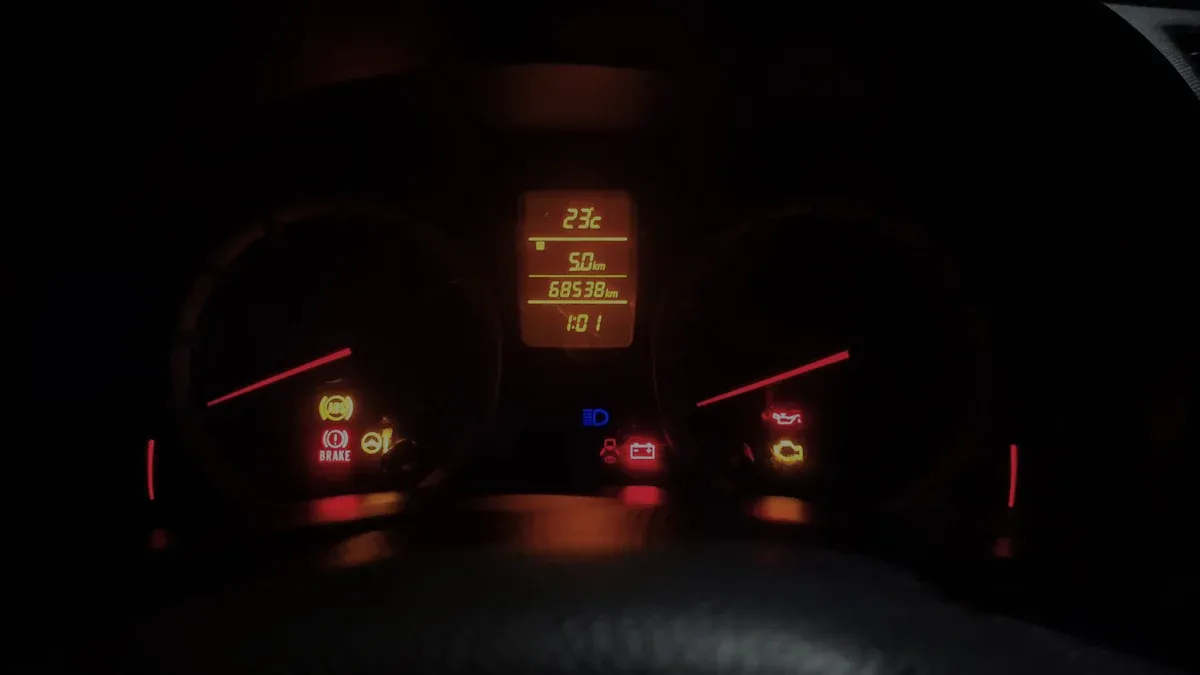
You might see the check engine light illuminate on your dashboard. This is often the first sign of trouble. Your ECM acts as the brain for your car’s engine. It constantly monitors many sensors. When the ECM detects a problem, it triggers this warning light. This light tells you something is wrong with your engine’s system. It is one of the most common engine control module (ecm) symptoms.
Persistent Warning Light
Sometimes, the check engine light stays on constantly. This means your ECM has found a consistent problem. It could be a serious issue affecting your engine’s performance or emissions. You should not ignore a persistent light. A continuous light often points to a clear fault. This fault requires your immediate attention. You need to find out what the ECM has detected.
Intermittent Light Activation
The check engine light might also come on and off. This intermittent light activation can be confusing. It often suggests an issue that is not constant. Perhaps a sensor is failing only sometimes. An intermittent light can also point to an early stage of ECM failure. Even if the light turns off, the ECM still stored a record of the problem.
You should always get your car checked when the check engine light appears. A mechanic can connect a diagnostic tool to your car. This tool reads the diagnostic trouble codes (DTCs) stored in the ECM. These codes pinpoint the exact problem. They help identify if the issue is a minor sensor glitch or a more serious ECM failure. Addressing these symptoms quickly can prevent further damage.
Engine Misfires and Stalling
Frequent Engine Misfires
A faulty ECM can cause frequent engine misfires. These misfires make your car run roughly. You might feel your car jerk under load or even at idle. Sometimes, you hear sputtering or backfiring. The ECM controls spark timing and fuel injection. It precisely dictates when each spark plug fires and how much fuel enters each cylinder. When the ECM malfunctions, these critical timing signals become inconsistent. This leads to irregular combustion inside the cylinders.
You experience this as misfires. These misfires can happen intermittently. They appear and disappear without a predictable pattern in their severity or frequency. A rich or lean fuel-to-air ratio can also cause misfires. Improperly adjusted timing can lead to these problems too. The ECM is often the cause. This is one of the key engine control module (ecm) symptoms. You might also notice increased exhaust emissions due to incomplete combustion from these misfires.
Unexpected Engine Stalling
A failing ECM can also cause unexpected engine stalling. Your car might suddenly lose power and shut down. This can happen at any speed, making it a dangerous situation. The ECM controls fuel delivery and ignition timing. It ensures the engine receives the correct amount of fuel at the right moment. If the ECM fails, it disrupts these vital processes. This leads to a complete engine shutdown. You might experience rough idling before the car stalls. The car stutters or misfires, then stops. This unexpected stalling is a critical sign of ECM failure. You might also find your car struggles to restart after stalling. This indicates a serious ECM problem. Observing your car’s behavior at idle and under load helps you identify these symptoms. A faulty ECM can cause your car to shut down completely. This complete engine shutdown is a clear warning that your ECM needs attention.
Poor Engine Performance
A failing ECM can cause noticeable reductions in engine power. You will experience sluggish acceleration and overall poor engine performance.
The ECM controls many engine parameters. These parameters directly affect power output. Recognizing these engine control module (ecm) symptoms helps you address issues quickly. An ECM failure can lead to these problems.
Reduced Power Output
You might notice your car feels weaker than usual. A faulty ECM can lead to decreased engine power. You experience a loss of power. This happens because the ECM cannot properly optimize the engine’s fuel mixture. It also struggles with ignition timing. This results in overall decreased power output. Your engine might also idle roughly. These are clear engine performance problems.
Sluggish Acceleration
Your car might feel slow when you press the accelerator. A failing ECM causes sluggish acceleration. You might even experience a sudden loss of acceleration. The ECM controls vital components for engine performance. It precisely dispenses fuel into the engine cylinders through fuel injectors. The ECM also manages valve operation to synchronize intake and exhaust processes. It optimizes fuel combustion by controlling ignition timing. This maximizes power output.
The ECM modulates airflow into the engine via the throttle. This dictates power output and acceleration. When the ECM malfunctions, it disrupts these controls. This leads to poor acceleration and reduced engine performance. The electronic fuel injection (EFI) system also relies on the ECM. The ECM regulates the amount of fuel injected. This ensures efficient combustion and optimal fuel economy. The ECM manages the timing of spark plug firing. This ignites the air-fuel mixture at the right moment for maximum power and efficiency. A faulty ECM impacts all these areas. This causes significant engine performance issues.
Decreased Fuel Economy
Unexplained Fuel Consumption Increase
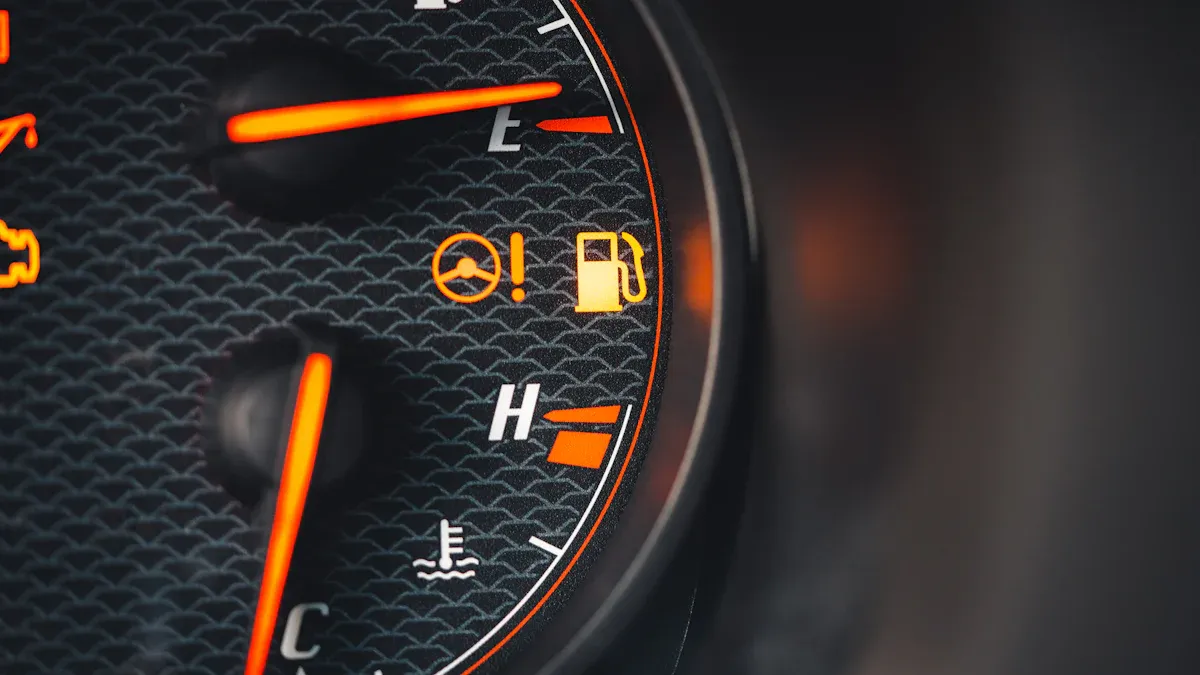
You might notice your car drinking more fuel than usual. This unexplained increase in fuel consumption is a common sign of an ECM problem. Your ECM precisely manages the air-fuel mixture for optimal combustion. It constantly adjusts fuel delivery based on sensor readings. This ensures your engine burns fuel efficiently. A malfunctioning ECM can disrupt this delicate balance. It incorrectly calculates the fuel-to-air ratios. This leads to either over-fueling or under-fueling. Both scenarios cause inefficient combustion. This significantly increases your fuel consumption.
Sensor miscommunication, often due to a faulty ECM, also prevents your engine from achieving the proper air-fuel mixture. For example, if the ECM receives incorrect data from the oxygen sensor, it might inject too much fuel. This wastes fuel and pollutes the environment. This inefficient burning of fuel directly impacts your wallet. You will spend more money at the gas pump. This issue is one of the clear symptoms of an ECM failure.
You should monitor your car’s fuel consumption closely. Keep track of how often you fill up. Note any sudden changes in your miles per gallon. A sudden drop in fuel efficiency, without changes in your driving habits, strongly suggests an underlying issue. This could be a problem with your ECM. Ignoring this can lead to higher operating costs and potentially more severe engine damage over time. Timely diagnosis helps you restore your car’s efficiency. It also prevents further complications.
Tip: To accurately track your fuel economy, reset your trip odometer each time you fill your tank. Then, divide the miles driven by the gallons you added. This gives you a clear picture of your car’s fuel efficiency. Consistent monitoring helps you spot these critical changes early.
Starting Difficulties
You might experience significant difficulty starting your car. This can range from the engine cranking but not turning over to a complete no-start condition. These are critical symptoms of a potential ECM issue. The ECM plays a vital role in your car’s starting sequence. It controls the fuel pump activation and ignition system. A faulty ECM can disrupt these essential functions.
Engine Cranks But Won’t Start
Sometimes, your engine cranks when you turn the key, but it simply won’t start. This means the starter motor is working. However, the engine is not igniting. The ECM is responsible for telling the fuel pump to deliver fuel to the engine. It also controls the spark plugs to create ignition. If the ECM fails, it might not send these crucial signals. You will not get fuel or spark. This prevents the engine from starting. This specific difficulty starting indicates a problem with the ECM’s control over fuel and ignition.
No-Start Condition
In other cases, you might face a complete no-start condition. Your car doesn’t start at all. The engine might not even crank. This can happen if the ECM has a severe internal failure. The ECM acts as the central command unit for many starting components. It communicates with the ignition system, the fuel system, and even the security system. If the ECM cannot communicate properly, it can prevent the entire starting process. This means the car receives no command to begin starting. This type of ECM failure leaves you stranded.
Tip: If your car has starting problems, check your battery first. A weak battery can mimic ECM symptoms. If the battery is good, then consider the ECM as a possible cause.
Erratic Transmission Behavior
Your car’s transmission relies on precise signals. A faulty ecm can disrupt these signals. This leads to noticeable problems with how your transmission shifts gears. The ecm communicates directly with the Transmission Control Module (TCM). This communication ensures smooth and timely gear changes. When the ecm sends incorrect information, your transmission cannot function properly. This can cause various issues.
Hard or Delayed Shifting
You might experience harsh, delayed, or erratic gear changes. This is a common sign of an ecm problem. The ecm’s signals control the timing of gear changes. It also manages proper torque converter operation. If these signals are faulty, your transmission will struggle. You might feel a jolt when your car shifts gears. Shifts might also take longer than they should.
This makes your driving experience uncomfortable. It also puts stress on your transmission components. Faulty ecm signals can cause rough or erratic shifting. This indicates a communication breakdown between the ecm and the TCM.
Transmission Stuck in Gear
Sometimes, your transmission might get stuck in a single gear. This can happen due to an ecm failure. The ecm plays a critical role in telling the transmission when to shift up or down. If the ecm malfunctions, it might fail to send these commands. Your car will then remain in one gear. This prevents proper acceleration or deceleration. It can also lead to your engine over-revving. This situation is dangerous. It also causes significant wear on your engine and transmission. You need to address this issue quickly.
Tip: If you notice any unusual transmission behavior, have your car inspected. A diagnostic scan can help determine if the ecm is the root cause. Addressing these issues early prevents more costly transmission repairs.
Unresponsive Throttle
You press the accelerator pedal, but your car does not respond as it should. This can be a frustrating and even dangerous situation. A failing ecm can cause this lack of response. It leads to hesitation or surging. The ecm acts as the brain for your car’s throttle system. It interprets your pedal input. It then translates that input into commands for the engine.
Throttle Hesitation or Surging
You might experience sudden surges in acceleration. This happens even when you are not pressing the pedal. You might also feel a loss of power when your car is under load. Another common symptom is hesitation when you try to accelerate from a stop. These are all signs of a problem with your throttle response.
Your car’s ecm plays a complex role here. It measures load conditions using inputs from various sensors. This includes the Electronic Throttle Control (ETC) system. The ecm uses this information to manage fuel injection, spark control, and electronic throttle control. It does not just directly translate your pedal input to throttle angle. Instead, it uses a comprehensive algorithm. This algorithm considers safety, efficiency, and other system goals. Sometimes, the ecm even overrides your direct request for throttle angle.
A faulty ecm can misread throttle position sensors or your pedal input. This causes inconsistent fuel delivery or timing adjustments. These errors lead to the hesitation or surging you feel. Research from SAE International confirms that errors in ecm calibration can cause irregular acceleration or a loss of power. This directly shows how ecm failure can cause throttle issues.
The Electronic Stability Control (ESC) system also uses your pedal angle position. The ESC system assesses if the requested engine output is safe. If needed, the system can command a different throttle angle than what you requested. For example, if you might lose traction, the ESC system can reduce throttle angle and engine power. This demonstrates the ecm‘s role in interpreting and modifying your accelerator pedal input for safety.
Cooling Fan Malfunctions
Your car’s cooling fan keeps the engine from getting too hot. The engine control module (ecm) manages this fan. It turns the fan on and off as needed. When the ecm has a problem, it can cause the cooling fan to act strangely. You might notice the fan running all the time. Or, you might find it does not run at all. Both situations point to a potential issue with your ecm.
Constant Fan Operation
You might hear your cooling fan running constantly. This happens even when the engine is cold. A faulty ecm can send incorrect signals to the fan. It tells the fan to stay on. This constant operation creates excessive noise. It also puts extra strain on your car’s electrical system. This can drain your battery over time. The ecm controls your engine’s temperature. It uses sensors to monitor heat levels. If the ecm receives bad data, or if it malfunctions, it might incorrectly believe the engine is always too hot. So, it keeps the fan running. This is a clear sign of an ecm problem.
Conversely, a faulty ecm might prevent the fan from turning on at all. This is a more serious issue. Without the fan, your engine can quickly overheat. Overheating causes severe damage to engine components. You might see your temperature gauge rise into the red zone. You need to address this immediately. The ecm’s proper function is vital for maintaining safe engine operating temperatures. A failure in this system can lead to costly repairs.
Communication Failures
You might try to connect a diagnostic scanner to your car. This tool helps read information from your car’s computer system. However, sometimes the scanner cannot connect. This is a clear sign of a communication problem. A faulty engine control module (ecm) can cause this issue. It prevents the scanner from talking to your car.
OBD-II Scanner Connection Issues
When your diagnostic scanner fails to connect, it means there is a breakdown in communication. The ecm is a vital participant in your car’s network. This network, often called the Controller Area Network (CAN), allows different parts of your car to talk to each other. The ecm sends and receives data, like vehicle speed, to other modules. If the ecm itself is bad, it cannot properly communicate. This stops the diagnostic tool from working.
Several things can cause your diagnostic scanner to fail. You might have the ignition key in the wrong position. The engine might not be running when you try to connect. There could be voltage problems at the connector. For example, you might not have 12V power or proper ground. Your car might also use an older, non-standard communication protocol. Sometimes, the ecm itself can “hang” or freeze. It might have missing or bad data. Even updated ecm software can be unknown to your scan tool.
Communication failures can also come from physical problems. You might have a loose, corroded, or damaged connector. A bent wire, especially a white wire (CAN Hi), can disrupt signals. Damaged or shorted communication wires (CAN or K-line circuits) also stop data transmission. Poorly done repairs or splices can interfere too. If your diagnostic tool cannot connect, it means you cannot retrieve important diagnostic codes. This makes troubleshooting very difficult. Proper diagnostics are essential to find the root cause.
Random Electrical Symptoms
Unexplained Electrical Glitches
You might notice strange electrical problems in your car. These issues do not seem connected to the engine. However, a failing ecm can sometimes cause them. The ecm influences many parts of your vehicle.
Sometimes, your dash lights stay on even after you remove the key. You might also find your power windows work slowly. This happens well after they should have shut off. You might hear a quiet, continuous sound from the dash or steering column. This suggests something is still running. You might even run an OBD2 scanner with the key out. This happens when dash lights are on. Other glitches include flickering lights or accessories that do not work right. You might notice an intermittent blinking security light. A slight ‘chug’ can occur when you press the gas pedal at idle, especially with the AC on. These are all signs of electrical problems.
An internal ecm failure can cause a P0356 diagnostic code. This code means an ‘Ignition Coil F Primary/Secondary Circuit Malfunction’. You might also see physical damage on the ecm itself. This includes burnt components or corroded traces.
A foul odor, like burnt electronics, can also point to an ecm problem. The ecm relies on many sensors and electrical signals. These signals control engine performance. Electrical problems can disrupt these signals. This leads to engine hesitation or misfires. The ecm also affects starting. Issues with the battery or ignition system can indirectly impact the ecm’s function. This affects the starting process. Faulty electrical parts can also cause poor fuel efficiency. The ecm manages the fuel-air mixture. It gets affected by bad oxygen sensors or fuel injectors. Auto electrical problems can also affect safety features. These include ABS brakes or airbags. The ecm is a central control unit. It can indirectly impact these systems if electrical signals get disrupted. This puts you at risk.
Your engine control module (ECM) is vital for your car’s operation. Ignoring engine control module (ecm) symptoms can lead to serious problems. Early detection of ECM problems prevents them from becoming more serious and costly. This saves you money and enhances engine performance. Professional diagnosis ensures accuracy. Certified technicians have specialized knowledge and tools. They pinpoint issues precisely. If you notice any of these symptoms, consult a qualified mechanic. Timely action ensures your vehicle’s safety and saves you money. These ecm failure symptoms are critical indicators. Your engine’s performance depends on a healthy ecm.
FAQ
What is an ECM?
An ECM is your car’s Engine Control Module. It acts as the central computer for your engine. It manages critical functions. These include fuel injection, ignition timing, and emissions control. It ensures your engine runs efficiently and smoothly.
Can I drive my car with a faulty ECM?
Driving with a faulty ECM is not safe. It can cause sudden engine stalling or power loss. This creates dangerous situations on the road. You should address ECM issues immediately. Get your car to a qualified mechanic for diagnosis.
How much does an ECM replacement typically cost?
ECM replacement costs vary. The part itself can range from $300 to $1,500. Labor charges usually add $100 to $200. The total cost depends on your vehicle’s make and model. Early diagnosis can prevent more expensive repairs.
Can a mechanic repair my existing ECM?
Sometimes, a mechanic can repair your ECM. This depends on the specific fault. Often, they replace the entire unit. ECM repair requires specialized tools and expertise. You should trust a professional for this complex task.
How can I prevent ECM failure?
You can prevent ECM failure by maintaining your car. Ensure your car’s electrical system is in good condition. Address any electrical issues promptly. Avoid jump-starting your car incorrectly. This protects your ECM from voltage spikes.



