

You seek thrilling adventures on the open water. Choosing the right watercraft means deciding between a jet ski and a speedboat. Both offer unique excitement. The personal watercraft (PWC) market is growing, showing its popularity.
Attribute | Value |
|---|---|
Global PWC Market Size (2024) | Approximately USD 2.03 billion |
Projected PWC Market Size (2032) | Nearly USD 3.36 billion |
CAGR (2025-2032) | 6.5% |
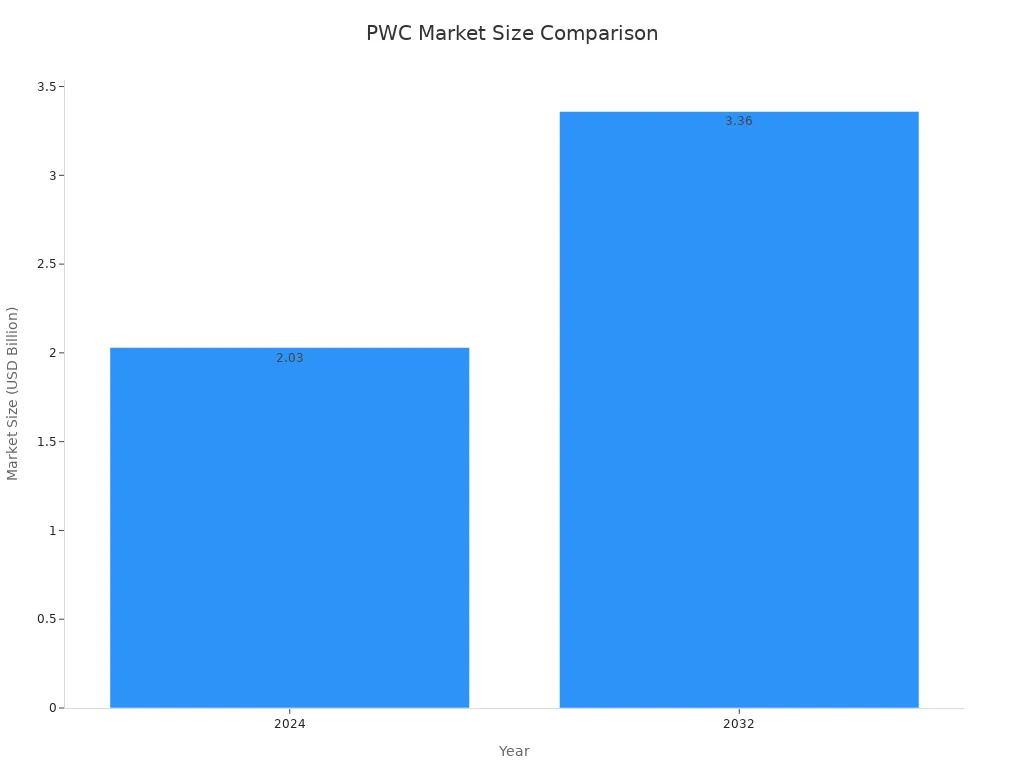
This growth highlights the increasing demand for these thrilling watercraft. This section will help you in understanding the differences. You will learn which option best fits your quest for pure thrill.
Key Takeaways
Jet skis offer quick speed and sharp turns for one or two riders. They are good for agile fun.
Speedboats provide strong power and stability for bigger groups. They are good for towing water sports.
Jet skis cost less to buy and maintain. Speedboats have higher costs.
Jet skis are easy to learn. Speedboats need more skill to drive safely.
Always wear a life jacket and take a safety course. This is important for both jet skis and speedboats.
Thrill Factor: Speed and Agility
Jet Ski: Agile Adrenaline Rush
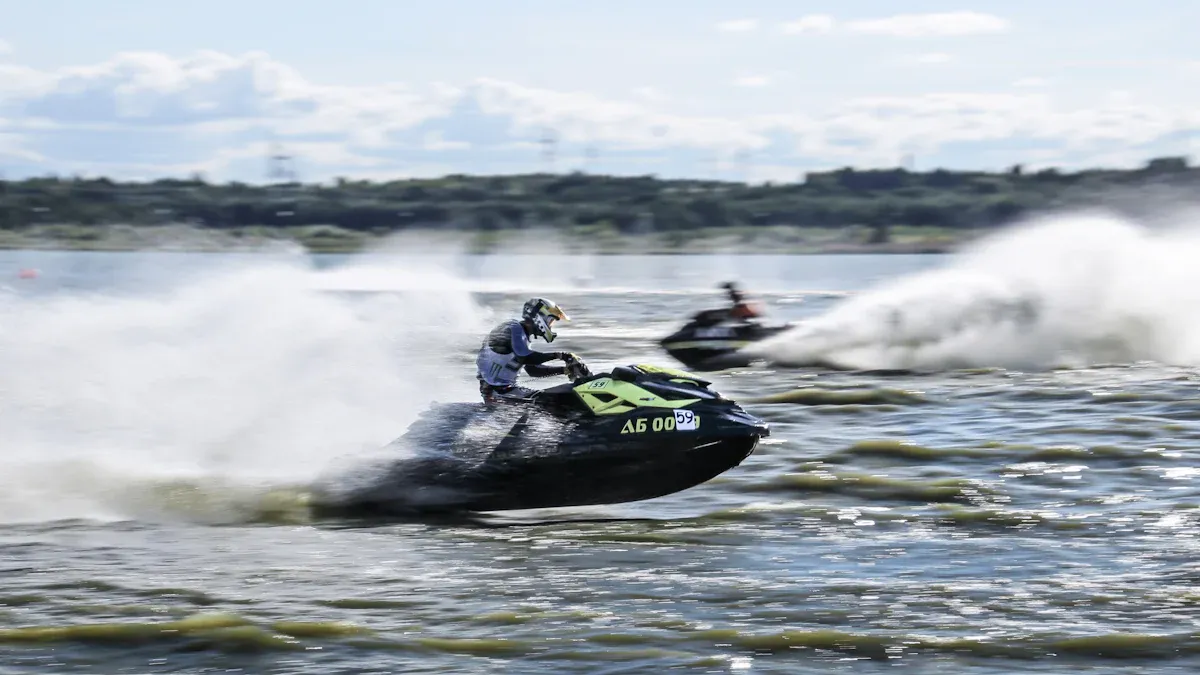
You seek an agile adrenaline rush. A jet ski delivers this. These personal watercraft offer incredible performance and speed. You feel directly connected to the water. Jet skis are perfect for solo or duo high-speed maneuvers. You can perform sharp turns and tricks with ease. Their design focuses on high-performance capabilities. This ensures a sporty riding experience. Many models offer thrilling acceleration. This provides a true thrill. You carve through the water with precision.
Consider these impressive acceleration times for various jet ski models:
Category/Model | 0-30 mph (s) | 0-60 mph (s) | Top Speed (mph) |
|---|---|---|---|
Flagship Supercharged Models | N/A | 3.6-5 | N/A |
Sea-Doo RXP-X 325 | N/A | 3.4 | N/A |
Yamaha GP SVHO | 1.5 | 3.8 | N/A |
Performance (Supercharged) | N/A | <4 | 65-67 |
Kawasaki Ultra 310X/LX/LX-S | N/A | N/A | 67 |
This table highlights the raw performance of a jet ski. You get unmatched maneuverability. This creates a dynamic experience. You can enjoy aggressive riding styles. A waverunner offers pure excitement. You can choose a waverunner for ultimate agility. This type of waverunner is built for speed. You experience the water’s surface up close.
Speedboats: Power and Presence
Speedboats offer raw power and presence. You experience higher top speeds with certain models. They cut through waves with authority. The thrill comes from their sheer force. You can enjoy group experiences. Speedboats are excellent for towing water sports. Imagine wakeboarding or waterskiing behind a powerful vessel.
Modern speedboat models can reach speeds of 124-186 mph (200-300 km/h). This demonstrates their high-performance capabilities. Even older models showed impressive performance and speed. For instance, a 1923 Packard ChrisCraft II, with 250 hp, achieved about 45 mph. This enduring performance makes them exciting. You command a larger vessel. This provides a sense of control and stability. You share the excitement with friends and family. The roar of the engine adds to the adventure. You feel the immense power beneath you.
Performance and Handling
Jet Ski Handling: Intuitive and Responsive
You will find a jet ski offers intuitive and responsive handling. Learning to ride a jet ski is often easy. You experience direct steering, much like riding a motorcycle. This design allows for quick changes in direction. You can navigate tight spaces with confidence. Most people grasp the fundamentals of riding a waverunner quickly. This makes a waverunner an accessible option for many.
However, you must remember that operator experience matters. Inexperienced riders contribute to many personal watercraft accidents. Statistics show 84% of personal watercraft operators in accidents had no boating education. Also, 73% had ridden for less than one hour before an accident. This highlights the importance of learning proper handling.
Cause of PWC Accident | Percentage |
|---|---|
Carelessness/inattention | 25% |
Operator inexperience | 21% |
No proper look-out | 17% |
Excessive speed | 9% |
Operator inattention | 5% |
Off throttle steering-jet | 3% |
Hazardous waters | 2% |
Machinery failure | 2% |
Sharp turn | 2% |
Violation of navigational rule | 2% |
Congested waters | 2% |
Weather | 2% |
Alcohol use | 2% |
Equipment failure | 1% |
Ignition of fuel vapor | 1% |
Skier or occupant behavior | 1% |
Standing/sitting on gunwale, bow, or transom | 1% |
Other | 2% |

You can master the maneuverability of a jet ski with practice. This ensures a safe and thrilling experience.
Speedboat Handling: Stability and Control
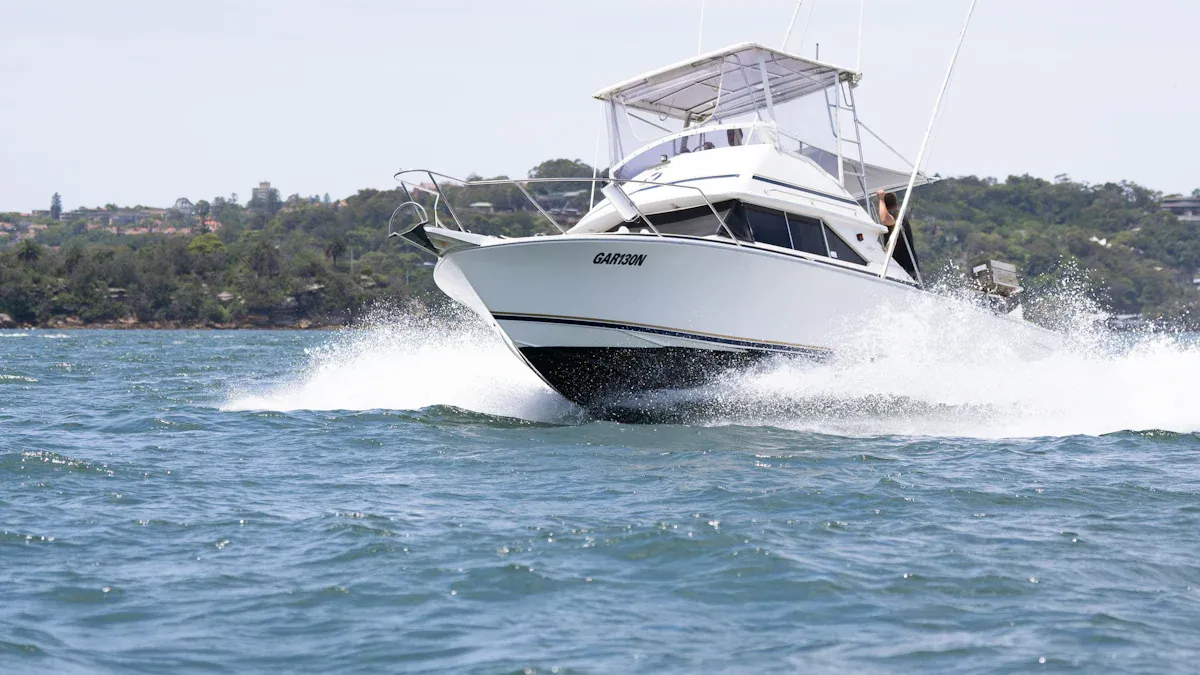
A speedboat provides a more stable ride. You control it with a steering wheel, similar to a car. Operating a larger vessel requires a different skill set. You learn to navigate various water conditions. Speedboats perform well in choppy waters due to their size. They offer greater stability than a jet ski. You need more skill and knowledge to operate them safely. This includes understanding docking procedures and navigation rules. The control system gives you a commanding feel. You manage the boat’s power and direction with precision.
Practical Considerations
Cost and Ownership
You must consider the financial aspects of owning a watercraft. Initial purchase prices vary significantly. A new jet ski, for example, can start at a lower price point.
Model | Starting Price |
|---|---|
Sea-Doo Spark | $6,999 |
Yamaha JetBlaster | $7,999 |
Speedboats typically have a much higher initial cost. A new boat can range from $25,000 to $150,000 or more. High-end models, like the Cigarette 515, can cost $2.2 million.
You also face ongoing costs. Jet skis generally have simpler engines and fewer moving parts. This often means lower maintenance costs. Annual insurance for a jet ski usually ranges from $100 to $500. Storage costs vary; for instance, storing a waverunner in Ventura, California, averages $185.79 monthly. Speedboats often incur higher fuel, maintenance, and storage expenses due to their size and complexity.
Passenger Capacity and Activities
Your choice depends on how many people you want to bring along. A jet ski is ideal for solo adventures or small groups. Common models like the Sea-Doo Spark or GTI SE accommodate up to three riders. You can enjoy solo exploration or quick, agile rides.
Speedboats offer more space for larger groups and diverse activities. An 8.8m speedboat can carry 22-25 passengers. Yamaha sport boats offer capacities from 8 passengers for 19-foot models to 12 for 25-foot models. You can engage in various watersports, like tubing, wakeboarding, or waterskiing. Speedboats also provide more storage and entertainment options, enhancing group experiences and water sports.
Safety and Regulations
You must understand safety concerns and regulations for both watercraft. Jet skis carry risks like capsizing, especially during sharp turns. Speeding and riding too close to land also increase accident risk. Operating a waverunner requires attention to submerged objects and other boats.
Speedboats present different safety challenges. High-speed operation can lead to whole-body impacts from waves. Drowning is a major risk, especially if you do not wear a life jacket. Traveling too fast can eject occupants.
Most states require a boater safety course for operating a personal watercraft or speedboat. For example, in Texas, you need a boating license to operate a vessel over 15 horsepower or any waverunner if you were born after September 1, 1993. North Carolina requires a boater education card for anyone born after January 1, 1988, operating a vessel over 10 hp. Regulations also include noise limits for jet skis, sometimes prohibiting them within 500 feet of the shoreline. Speedboats must adhere to “idle speed” or “no wake” zones in specific areas, ensuring safety and minimizing disturbance. This ensures safe performance for everyone on the water.
Choosing the Right Watercraft for Your Thrill Profile
You have explored the unique features of jet skis and speedboats. Now, you can decide which one best matches your quest for excitement. This section helps you in choosing the right watercraft for your specific thrill profile. It summarizes the key benefits of each. You will find the perfect match for your aquatic adventures.
Opt for a Jet Ski if…
You crave personal agility and direct connection with the water. A jet ski is your ideal choice. You choose a jet ski for solo or duo adventures. You want to perform sharp turns and quick maneuvers. The feeling of being “on” the water, not just “in” it, appeals to you. You enjoy the thrill of rapid acceleration. A waverunner offers an intuitive riding experience. Most people learn to operate a waverunner quickly. This makes it accessible for new riders. You also benefit from lower initial costs. A waverunner generally has simpler maintenance. You can easily store and transport it. If you seek a nimble, high-energy ride, a jet ski delivers pure adrenaline.
Opt for a Speedboat if…
You prefer sharing your thrills with a group. A speedboat offers power and presence. You choose a speedboat for family outings or social gatherings. You want to tow friends for wakeboarding or tubing. A speedboat provides a stable ride. It handles choppy waters well. You appreciate the comfort and space for multiple passengers. Speedboats offer more storage for gear and entertainment systems. You are ready for a significant investment. You understand the long-term commitment.
You should also consider the financial aspects of ownership. Boats can depreciate. Some boats lose up to half their value within the first five years. This means a resale value retention of 50%. However, the depreciation rate slows down after this initial period. This assumes you maintain the boat well. Other estimates suggest boats depreciate by about 15% each year for the first five years. This implies a resale value retention of around 25% after five years. You must factor this into your decision. Understanding the differences in long-term costs helps you make an informed choice. This powerful watercraft provides a versatile platform for diverse water activities.


