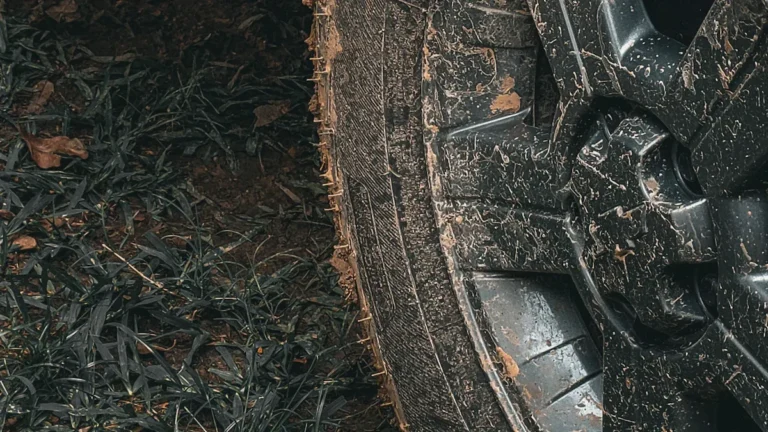
A tire that leaks air around the rim usually has a damaged seal caused through rim corrosion, chrome flaking, dirt at the bead, a bent wheel, or a weak valve stem. People can confirm this with soapy water, watching for slow bubbles along the rim and valve.
Shops often fix it through cleaning the rim, adding bead sealer, and replacing the valve. Should sidewalls are cracked or rims are badly bent, replacement is safer, and the next sections explain how.
Common Reasons Tires Leak Air Around the Rim
Around the rim of a tire, several small problems can quietly turn into an annoying air leak that leaves a driver worried and confused.
Often, it starts with rim corrosion, especially on older steel or chromed wheels. As the metal pits or flakes near the bead, tiny gaps open, and air slowly slips out week after week.
Alongside this, dirt, dried mounting compound, or a slightly bent rim can weaken the bead seal, so air sneaks around where tire and wheel should hug tightly.
At the same time, valve deterioration can quietly copy these symptoms.
A cracked rubber stem, loose core, or leaking base lets pressure drift down, making the tire look fine on the outside while pressure steadily falls.
How to Diagnose a Rim-Related Air Leak Step by Step
In this part, the reader learns how to confirm that the air loss is really coming from the rim area and not from somewhere else on the tire.
It then walks through a simple step-by-step leak test, using soapy water, careful wheel checks, and a few extra tricks to spot stubborn leaks that only show up while the wheel is moving.
Finally, it explains whenever it is safer and smarter to stop fighting the problem alone and call a professional for deeper rim repair.
Confirm It’s the Rim
From the moment a driver notices a tire that keeps going soft, it can feel frustrating and a little worrying, so confirming that the rim is actually the problem brings real peace of mind. It also protects wheel balance and proper rim fitment, so the whole vehicle feels safer and more together on the road.
To confirm a rim leak, the wheel is removed and the tire deflated. Soapy water is brushed around the bead area, both sides of the rim, and the valve stem as the wheel is slowly turned. Steady bubbles along the tire and rim show a bead leak. Should it be needed, the bead is broken so the rim surface can be checked for corrosion, chrome flaking, or pitting that breaks the airtight seal.
Step‑By‑Step Leak Test
Tire problems can feel stressful, so once a rim leak is suspected, a clear, simple test can bring a lot of relief.
Initially, the wheel comes off the car and the tire is deflated. Then a soapy water mix is sprayed around the valve stem, bead area, and full circumference while the wheel slowly turns. Tiny bubbles help reveal slow leaks that pressure cycling and temperature effects can hide.
Next, the bead is gently broken so the rim flange and seating surface can be cleaned and checked for corrosion or chrome flaking. With the bead loose, more soapy water or partial submersion exposes stubborn leaks. The valve stem is flexed, sprayed, and replaced when needed before the bead is cleaned, sealed, and reset.
When to Call a Pro
With slow rim leaks, there comes a point whenever a careful home check is not enough, and that moment can feel confusing and frustrating. This is usually whenever cleaning the bead, swapping wheels, and checking the valve stem still do not stop the pressure loss. At that stage, a person benefits from a shop that uses a tire machine, bead sealer, and proper wheel refurbishment.
A clear way to decide is to notice what they are seeing at home and match it with what a shop can offer.
| What you might notice | What a pro can do |
|---|---|
| Peeling chrome or bent rim | Inspect, straighten, or replace wheel |
| Repeated leaks after cleaning | Apply bead sealer and reseat tire |
| Unsure about pricing estimates or appointment scheduling | Explain costs and book a convenient visit |
Shop-Grade Repairs: Bead Cleaning, Sealing, and Rim Refurbishing
A proper shop-grade repair gives a leaking rim a fresh start, instead of just hiding the problem. In a trusted shop, the technician initially deflates the tire and breaks the bead so the rim edge is fully exposed. They carefully scrub away corrosion, old sealant, and chrome flake using a wire brush or abrasive wheel. This deep cleaning supports chrome preservation and sets the stage for possible wheel refinishing should damage be more severe.
After cleaning, they brush on a thick bead sealer along the rim, then reseat and inflate the tire to spec. Valve stems and cores are usually replaced as a low-cost safeguard. Finally, they check for leaks in water, inspect for cracks or bends, and balance the wheel for a stable seal.
DIY Options and When to Avoid Home Repairs
In this part, the reader sees what can be done at home to safely check for rim leaks and try simple fixes with basic tools.
It then gently explains where that line ends, so the reader knows at what point a problem is too risky or advanced and a tire shop needs to step in.
This helps the reader feel more confident, because they learn both how to act and at which moment to ask for help.
Safe DIY Leak Checks
From the moment a slow leak shows up, it can make anyone feel uneasy, but some careful checks at home can bring a lot of peace of mind. Simple pressure monitoring, along with recent wheel balancing or rotation records, helps someone notice which tire is truly losing air.
To safely track the leak, they remove the wheel and spray a 50/50 mix of water and dish soap around the bead, valve stem, and tread while slowly turning the tire. Tiny bubbles reveal rim or valve leaks. Whether they suspect the bead, they fully deflate the tire and have the bead safely broken, then clean the rim edge and recheck. Soapy water around a tugged valve stem can show concealed stem issues without risky plugs or sealants.
Quick At-Home Fixes
With slow leaks creeping into daily life, quick at-home fixes can feel like a lifeline, as long as they are done with care and clear limits. Many drivers feel better whenever they can try simple steps initially, especially whenever those steps are safe and repeatable.
1. Use soap testing to confirm the leak
Mix dish soap and water, spray around the bead, rim edge, and valve base, then watch for bubbles.
2. Refresh a leaking bead
If bubbles appear at the bead, deflate, gently break the bead, clean corrosion, and apply bead or rim sealer before inflating.
3. Choose valve replacement over patching
Swap brittle or cracked valve stems instead of trying to glue or seal them.
4. Know whenever the rim itself is the problem
Visible cracks or heavy corrosion mean skipping DIY and saving the wheel for expert repair.
When to Call Professionals
Sometimes it is hard to know how far home repairs should go before it is time to ask for help. Whenever a tire leaks around the rim, a person can start with simple steps like soapy water checks, a careful wheel inspection, swapping wheels, and tightening a loose valve core with a proper tool. These small actions help someone feel involved and informed.
However, bead leaks, rim corrosion, or chrome separation need a tire shop to safely unmount the wheel and reseal the bead. Whenever brittle or leaking valve stems, TPMS stems, or high-speed use also call for professional tools and torque. This protects everyone from legal liability and safety risks. Sidewall damage, porous alloy wheels, or leaks that keep returning should always end DIY attempts.
Preventing Future Bead and Rim Leaks
In everyday driving, one of the best ways to avoid future bead and rim leaks is to treat each tire change like a chance to reset things back to “good as new.” Every time a tire comes off the wheel, the bead seating area on the rim should be carefully cleaned and checked so the rubber can sit flat and seal tight.
This simple preventive maintenance step helps the whole vehicle feel safer and more trusted, especially after seasonal storage.
- Gently remove rust, old sealant, and paint with a wire brush or 120–220 grit sandpaper.
- On older or pitted wheels, apply a thin bead sealer before mounting the tire.
- Replace aging valve stems or TPMS valve cores whenever tires are changed.
- Check pressure monthly and inspect any sudden loss with soapy water.
When a Leaking Tire or Wheel Must Be Replaced
Tire care and bead cleaning help a lot, but there comes a point whenever a slow leak is really a warning that a tire or wheel has reached the end of its safe life. Whenever leaks come from the shoulder or sidewall, sidewall replacement is the only safe choice. Cracks, bulges, or cuts here cannot be trusted.
Large or oddly shaped tread punctures, or several close repairs, also mean it is time to stop patching and start replacing. The same is true whenever age related replacement is needed.
| Situation | What usually needs to happen |
|---|---|
| Sidewall bulge or crack | Replace tire |
| Big or multiple tread punctures | Replace tire |
| Bent or cracked rim | Replace wheel |
| Severe rim corrosion | Replace wheel or tire |
| Worn tread or dry rot | Replace tire |