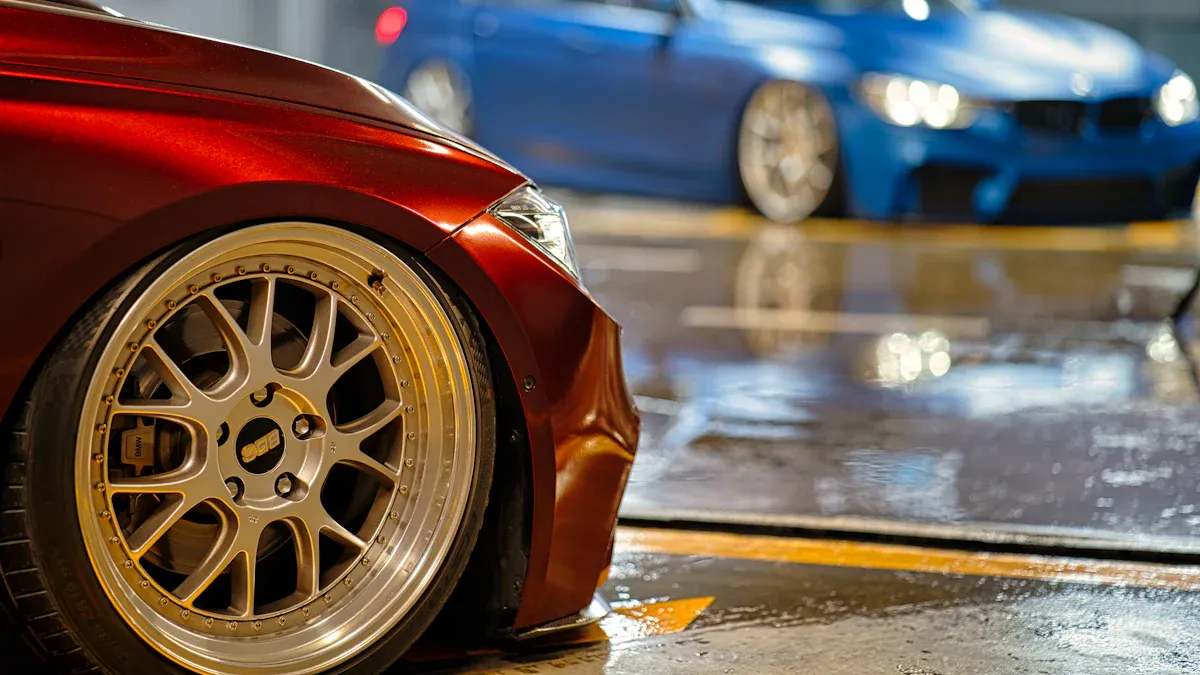
Can you drive with different size tires? Generally, no, you should strongly avoid it. This practice introduces significant safety risks, causes potential vehicle damage, and compromises overall performance. While a small difference in tire size and diameter might seem minor, modern vehicles experience serious consequences with mismatched tyres. Tire problems contribute to a high percentage of vehicle defect crashes; tire issues account for 35% of such incidents. Therefore, using different tyres can severely impact your ability to drive safely, affecting how your vehicle’s systems handle the road. Always ensure your tires match.
Key Takeaways
Driving with different size tires is dangerous. It can damage your car and make it unsafe to drive.
Mismatched tires can harm your car’s engine parts. This includes the drivetrain and electronic safety systems.
Your car’s handling and braking get worse with different size tires. This makes it harder to control the car.
Always use tires that are the same size and type. This keeps your car safe and prevents expensive repairs.
A spare tire is only for short trips. Replace it with a regular tire quickly.
Dangers of Different Size Tires
Drivetrain Strain and Damage
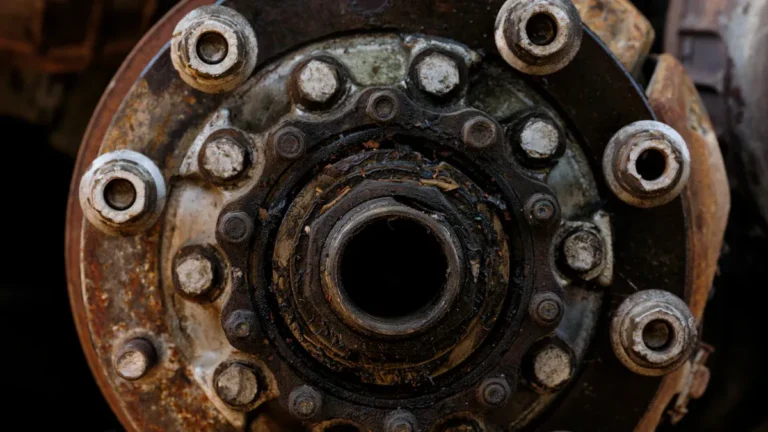
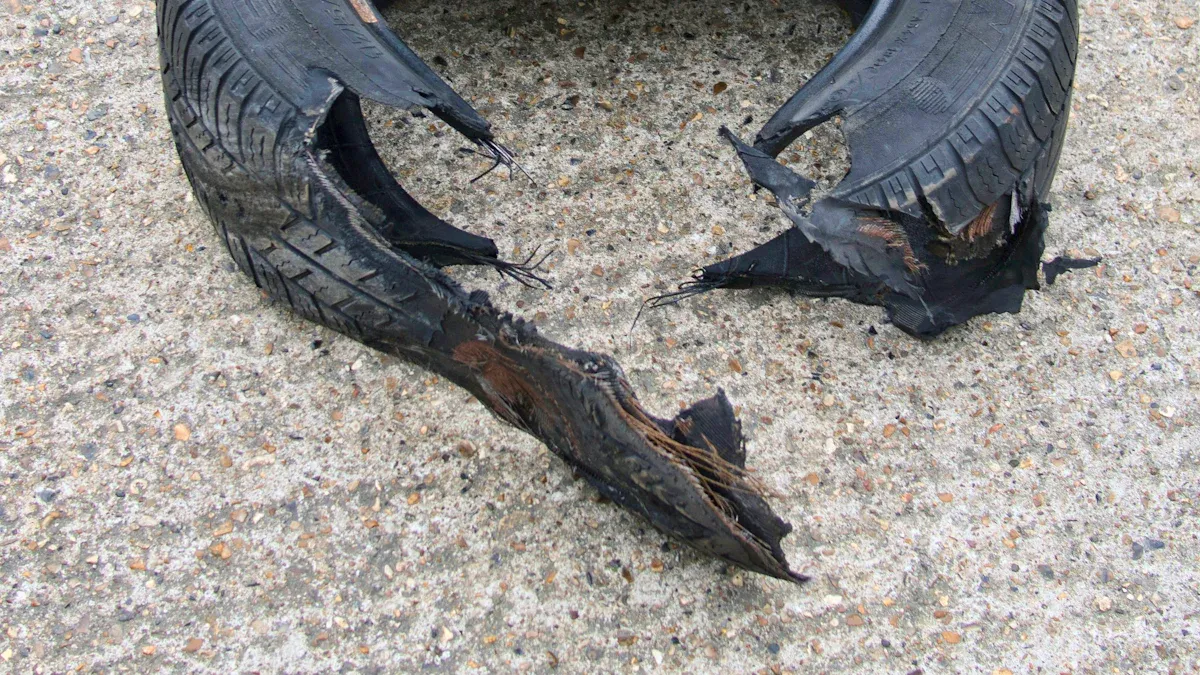
You might think a small difference in tire size does not matter. However, using different size tires puts immense strain on your vehicle’s drivetrain. This strain happens because each tire rotates at a different speed. Your vehicle’s differential, transfer case, and viscous coupling work harder to compensate for these speed differences.
This constant overwork can lead to premature wear and costly damage. For example, an all-wheel drive (AWD) system can become confused. This confusion happens when the system tries to send power to wheels rotating at different speeds. This can damage the AWD system itself. You could face expensive repairs. One specific instance of drivetrain damage on a Jeep, caused by different sized tires, resulted in repair costs exceeding $5,000. Newer tyres often have deeper tread and larger tire circumferences. These rotate at different rates than older tyres. This discrepancy strains the AWD system’s differentials, transfer case, or center coupler over time. This leads to expensive repairs.
Electronic System Malfunctions
Your vehicle’s advanced safety systems rely on precise data. When you use mismatched wheels and tires, you disrupt this data. Modern vehicles have Anti-lock Braking Systems (ABS) and Electronic Stability Control (ESC).
These systems are calibrated for specific tire sizes. If your tires deviate from these correct sizes, these systems cannot work effectively. A tire professional stated that changing from original equipment manufacturer (OEM) tire sizes to larger ones negatively impacts features like your speedometer, ABS, and ESC. You might notice your speedometer is inaccurate. This means you do not know your true speed. This also affects your odometer. You should recalibrate your system after increasing tire size. This corrects these issues and even shift points. Reduced effectiveness of these safety systems can lead to less control in critical driving situations.
Unpredictable Handling and Stability
Driving with mismatched wheels creates an unstable experience. Different tire diameter variations or widths on the same axle cause significant problems. Your vehicle’s handling becomes unpredictable. Imagine walking with one new shoe and one worn shoe; you would feel unbalanced. This is similar to what your car experiences. Different tire models have varying cornering stiffness, traction limits, and wet-weather performance.
Mixing these leads to inconsistent grip and responsiveness. This compromises your vehicle’s control, especially in bad weather. Modern traction and stability control systems expect consistent behavior from all four wheels. Mismatched components reduce their effectiveness. Electronic systems like ABS and ESC rely on consistent wheel speeds. Different diameters confuse these systems. This reduces their effectiveness. You face a significant oversteer risk if your front tires have better traction than your rear tires. For example, new rubber upfront and worn ones in the back can cause the rear end to swing out during cornering. Mismatched components also cause uneven wear. This leads to premature degradation and reduced tread life. It also affects your vehicle’s alignment, suspension, and steering components.
Performance and Safety Impacts of Different Sized Tyres
Reduced Braking Effectiveness
When you drive with different size tires, your braking ability suffers. Your vehicle’s braking system expects all four tires to behave similarly. If one tire is larger or smaller, it rotates at a different speed. This difference can confuse your Anti-lock Braking System (ABS). The ABS might not apply brake pressure evenly to all wheels. This means one side of your car could brake more effectively than the other. You might experience longer stopping distances. Your car could also pull to one side when you brake hard. This creates a dangerous situation, especially in emergencies.
Altered Steering Response
Different sized tyres also change how your car steers. The overall height of your wheel and tire combination directly affects your suspension geometry. Even minor changes can impact how your car handles. It is best to keep your tire size very close to the original factory specifications.
The sidewall height of your tires also plays a big role in how you feel the road. It impacts your steering geometry. For example, tires with taller sidewalls (like 60 or higher) can make your steering feel less precise. You might notice a slower response when you turn. Your car could also ‘roll’ more during corners. On the other hand, tires with shorter, stiffer sidewalls (like 40 or lower) give you a better cornering feel. However, these tires can make your ride rougher. They also increase the risk of damaging your rims. While stiffer sidewalls improve steering feedback, they do not give you more grip.
Accelerated and Uneven Tire Wear
You will also notice faster and uneven wear on your tires. When you have different tires, they do not share the load equally. Some tires might drag or scrub more than others. This causes certain tires to wear out much quicker. You will need to replace your tyres more often. This costs you more money. Uneven wear also affects your vehicle’s alignment. It can put extra stress on your suspension components. This leads to more repairs down the road. Always use matching tyres to ensure even wear and extend their lifespan.
Drivetrain Risks with Mismatched Wheels and Tires
Mismatched wheels and tires can severely impact your vehicle’s driveline. This section explains how different tire setups create stress and damage. You risk costly repairs if you ignore these warnings.
All-Wheel Drive (AWD) and Four-Wheel Drive (4WD) Vulnerabilities
If you own an All-Wheel Drive (AWD) or Four-Wheel Drive (4WD) vehicle, you must be especially careful. These systems constantly monitor wheel speeds. When you use tires of varying sizes, the system detects different rotation speeds. It interprets these differences as slippage. This forces the driveline components to work harder. They try to compensate for the perceived slippage. Mixing tire brands, different tread patterns, or even varying tread depths can cause this problem. These differences create continuous strain. This strain can lead to premature failure of expensive parts like your transfer case or differentials. Always ensure all four tyres are identical in size, brand, and wear.
Front-Wheel Drive (FWD) Specific Concerns
Front-Wheel Drive (FWD) vehicles also face risks. While mismatched tire sizes front to rear are less of a mechanical problem than in 4WD systems, issues arise on the front axle. If you have different size tires on the front axle of a FWD vehicle, you create continuous stress. The differential misinterprets your vehicle’s movement. It thinks you are constantly turning. This continuous misinterpretation causes significant mechanical stress on driveline components. This can lead to premature failure of expensive parts.
💡 Tip: The diameter of front tires must match on FWD vehicles due to the differential. A FWD differential will continuously slip if front tires are sufficiently mismatched, leading to increased wear. If a FWD vehicle has a Limited Slip differential on the front, mismatched tires can cause it to burn up.
You must ensure the diameter of your front tires matches exactly.
Rear-Wheel Drive (RWD) Considerations
Rear-Wheel Drive (RWD) vehicles also have considerations. The rear differential manages power delivery to the rear wheels. If you have mismatched wheels and tires on the rear axle, the differential works harder. It tries to equalize the rotational speeds. This extra work causes increased wear over time. While RWD systems are generally more forgiving than AWD systems, driving with mismatched wheels still puts unnecessary stress on your driveline. You should always use matching tyres to protect your vehicle’s components.
Temporary Use and Exceptions for Mismatched Tires
Sometimes you might face a situation where you must use a different size tire. These are usually temporary solutions. You should understand their limitations.
Space Saver Spare Tire Limitations
You might get a flat tire. Then you will use a space saver spare. This spare tire is not for long-term use. Most manufacturers recommend you drive no faster than 50 mph on these compact spare tires. You should also drive no more than 50 miles. If you absolutely must, avoid driving longer than 70 miles on the spare. These temporary tyres are smaller and lighter. They help you reach a repair shop safely. They are not designed for regular driving. Replace your full-sized tire as soon as possible.
Minor Size Variations and Tolerances
You might wonder if a very small difference in tire size is acceptable. Generally, you should avoid any differences. However, some industry standards allow for tiny variations. For example, the ETRTO/TRA standards suggest a tolerance of +/- 3% for overall diameter.
Trelleborg and Mitas recommend staying within 1% for critical applications. Maxam allows +/- 2%. Even a 2-inch (54 mm) difference in tire diameter can cause significant damage. This can lead to rapid wear on one of the tires. In worst-case scenarios, it can damage your vehicle’s transmission. This is especially true for vehicles like MFWD (Mechanical Front Wheel Drive) tractors. You should always aim for identical tires.
Source/Standard | Tolerance for Overall Diameter |
|---|---|
ETRTO/TRA | +/- 3% |
Trelleborg & Mitas | Within 1% (for critical applications like MFWD tractors) |
Maxam | +/- 2% |
Michelin (example) | 2-inch (54 mm) difference can cause damage |
Legal and Warranty Implications
Using mismatched wheels and tires can have serious consequences. Your vehicle’s warranty might become void. Manufacturers design vehicles for specific tire setups. Deviating from these specifications can cancel your warranty coverage. This means you pay for repairs that would normally be covered. You could also face legal issues. If you cause an accident while using non-compliant tyres, you might be held liable. Always ensure your tires meet legal and manufacturer standards. This protects you and your vehicle.
You must avoid driving with different size tires. This practice poses significant safety and mechanical risks. Mismatched wheels and tires cause several problems:
Drivetrain damage
Compromised safety systems
Poor handling
Accelerated wear on your tyres
Always replace your tyres in matching sets or pairs. Consult a professional for any tire concerns. Proper maintenance of your tires is crucial for vehicle longevity and your safety when you drive. Ensure all your tyres are correct.
FAQ
Can I mix tire brands on my car?
You should avoid mixing tire brands. Different brands have unique tread patterns and rubber compounds. This can lead to uneven traction and handling. For optimal safety and performance, use four identical tires.
What if only two tires are different sizes?
Even two different sized tires can cause problems. If they are on the same axle, they create immediate strain. If front and rear are different, they can confuse your vehicle’s computer systems. Always use matching pairs.
How can I tell if my tires are mismatched?
You can check the sidewall of each tire. Look for the tire size code (e.g., P205/55R16). All four tires should have the same code. You might also notice uneven wear or strange handling.
Will mismatched tires affect my car’s warranty?
Yes, using mismatched tires can void your vehicle’s warranty. Manufacturers design cars for specific tire setups. Deviating from these specifications can lead to denied warranty claims for related repairs.
Is it okay to use a different size spare tire?
A space saver spare tire is only for temporary use. It is smaller and lighter. Drive slowly and for a short distance to a repair shop. Replace it with a full-sized tire as soon as possible.