A car that pulls to one side, needs constant steering correction, or has an off-center wheel signals misalignment and demands prompt attention. Uneven or inner-edge tire wear, feathered tread, strange vibrations at speed, or jolts through the seat also point to this issue. Causes range from worn suspension to uneven tire pressure or road camber, and consequences include poor handling, faster tire wear, and reduced fuel economy. Keep calm and get an alignment check soon to learn more.
Common Driving Symptoms That Indicate Misalignment
As soon as a vehicle begins to feel off during everyday driving, drivers often notice several clear signs that point to wheel alignment problems, and those signs deserve attention because they affect safety and comfort.
A driver might feel the car pull to one side while cruising, which signals handling instability and calls for a prompt check. Steering wheel vibration at certain speeds often follows, and anxious drivers want to belong to a group that keeps their ride safe. Uneven steering response can make turns feel unpredictable, increasing worry.
Suspension damage can develop should misalignment persist, and riders notice a harsher, knocking ride. Braking that feels uneven and the need to constantly correct direction link these issues together and demand timely service.
Uneven or Rapid Tire Wear Patterns to Watch For
Uneven tire wear often signals alignment trouble and deserves quick attention to protect safety and save money.
Inner-edge wear can mean the wheels tilt inward, causing one narrow strip of rubber to wear away faster than the rest. Feathered tread patterns show a sawtooth edge across the tire and often appear alongside inner-edge wear, so checking both together helps pinpoint the problem.
Inner-Edge Tire Wear
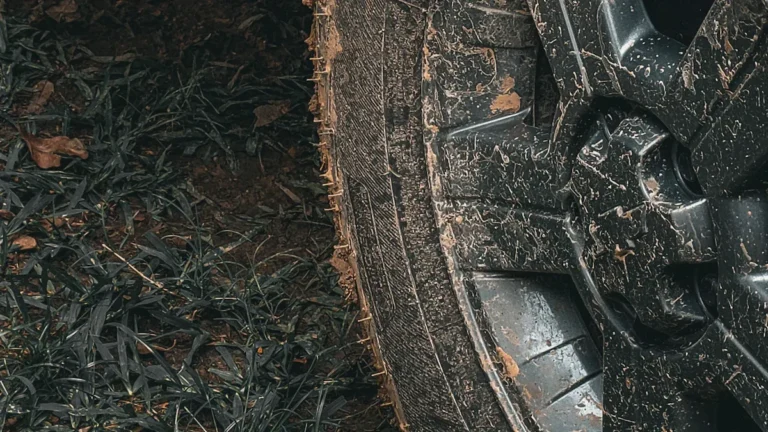
What does it look like as tire wear tells a story about the car rather than just the road? Inner-edge tire wear appears as shading on the inside rim, a quiet signal that the car needs care. The driver notices uneven tread and questions whether tire pressure is correct or if suspension damage hides beneath. Friends who share rides feel the pull and offer help, building belonging.
| Feeling | Action |
|---|---|
| Concern | Check tire pressure |
| Trust | Inspect suspension |
This pattern links to misaligned camber or bent parts. A calm visit to a trusted shop helps. Technicians look for worn bearings, torn bushings, and steering issues. Gentle guidance reassures owners that fixing alignment restores safety and shared travels.
Feathered Tread Patterns
After noticing inside-edge wear on a tire, attention often turns to other telling patterns like feathered tread. Feathered tread patterns show small, sawtooth edges across the tread blocks. A person sees rough edges whenever running a hand across the tire. This feels worrying and invites a check with the group who cares about safe driving.
Mechanics explain feathering causes as misaligned toe settings, worn suspension parts, or uneven pressure. Those causes link directly to steering pull and vibration, which people notice immediately. Friends who share road stories often recommend timely checks and simple fixes.
A technician inspects toe, camber, and hardware, then aligns or replaces parts. That care restores smooth wear and helps drivers feel confident once more.
Steering Wheel Off-Center and Vibration Issues
In case the steering wheel sits off-center while the car seems to pull to one side, a driver can feel unsettled and worry about safety; this is often linked to alignment problems that also cause vibrations through the wheel and seat.
A person might notice a drifting sensation or sudden steering stiffness that breaks trust in the road. Those feelings call for attention and community reassurance from a trusted shop.
- A steady shake at certain speeds that makes hands tense
- Uneven feedback that reduces confidence on turns
- Small jolts felt through the seat that disturb calm
- Anxiety about longer trips and shared rides
- Desire to belong to a group that values safe driving
These signs relate and point toward alignment or suspension checks to restore comfort.
Pulling to One Side: Causes and Risks
At the time a car drifts to one side while driving, the driver can feel both alarmed and unsure, and that pulling often signals problems that deserve quick attention.
A gentle pull might come from uneven tire wear or incorrect toe and camber settings. Road camber also nudges a vehicle drifting toward the lower side, so drivers could mistake normal slope for trouble.
Whenever pulling is constant, it often points to misalignment, worn suspension parts, or uneven tire pressure. Other signs include steering correction, hands tiring, and tires wearing on one edge.
Neighbors and friends who care will want their car safe, so encourage checks at a trusted shop. A timely inspection helps restore confidence and shared peace of mind.
How Misalignment Affects Fuel Economy and Safety
Misaligned wheels raise rolling resistance, which makes the engine work harder and uses more fuel.
Uneven tire wear follows, reducing traction and forcing earlier tire replacement that adds cost and worry.
Compromised steering control can make driving feel unsafe, so attention to alignment helps protect both fuel economy and the driver.
Increased Rolling Resistance
At the time wheels do not track straight, the car fights the road and that extra fight shows up as increased rolling resistance. Misalignment raises drag resistance and forces the engine to work harder. The driver feels it at the pump and in stride. Tire traction is uneven, so the vehicle needs more power to move. This hurts fuel economy and quiet confidence on the road.
- You notice more fuel stops and worry about costs
- You feel the car pull and lose calm on long drives
- You dread surprises whenever friends or family ride along
- You want to belong to a community that cares for reliable cars
- You seek simple fixes that restore safe, pleasant trips
These signs connect economy and safety and invite prompt checking.
Uneven Tire Wear
At the time tires wear unevenly because wheels do not line up, drivers soon see costs and safety start to drift apart. Uneven tire wear signals that misalignment makes parts fight one another. It raises rolling resistance, so fuel economy drops and trips cost more. It also shortens tire life, so replacements come sooner than expected.
People who care about their vehicle want simple steps. Check tire pressure often, because low pressure makes wear worse and hides alignment issues. Ask about wheel balancing during service, since balance and alignment work together to protect tires.
Trustworthy shops will show wear patterns and explain fixes. Friendly guidance helps owners feel part of a community that looks out for one another on the road.
Compromised Steering Control
Uneven tire wear often shows up initially, and that worn pattern can signal something more serious: steering that feels off and a car that fights to go straight.
Misalignment can cause loose handling and delayed response, leaving drivers unsettled and less confident behind the wheel. The issue drains fuel whenever wheels pull in different directions and it raises risk on busy roads.
People want to feel safe and part of a caring group that looks out for each other. Simple steps help and seeking alignment earlier keeps everyone moving together.
- A nagging pull that steals calm and control
- A shaky grip that steals trust in the drive
- Increased stops at the pump that frustrate the budget
- Hesitant turns that raise worry on highways
- Quiet dread before long trips that asks for repair
When to Schedule a Professional Alignment Check
How can someone tell at what point it is time to schedule a professional alignment check for a vehicle? A driver who values being part of a caring community notices steady signs and acts. Regular preventive maintenance visits help catch issues promptly. In case steering wanders, tires wear oddly, or the car pulls, it is time. Modern shops use diagnostic technology to measure angles precisely, and a friendly technician explains findings.
| Sign | Action | When |
|---|---|---|
| Uneven tire wear | Inspect and rotate | After 1 month noticed |
| Steering pull | Test alignment | Immediately in case felt |
| Vibration | Balance and align check | As soon as persistent for days |
This approach lets drivers feel supported and safe. Scheduling soon avoids bigger repairs and keeps everyone driving together.